By Gina Hill | Alaska Headline Living | March 2026
The widening military confrontation involving the United States, Israel, and Iran has entered a dangerous but not yet globally destabilizing phase, according to defense analysts and international diplomatic observers.
While fighting has spread across parts of the Middle East and into the eastern Mediterranean, intelligence assessments and military signaling have not shown the pattern typically associated with the early stages of world-scale alliance war.
U.S.-Led Campaign Targets Iranian Military Infrastructure
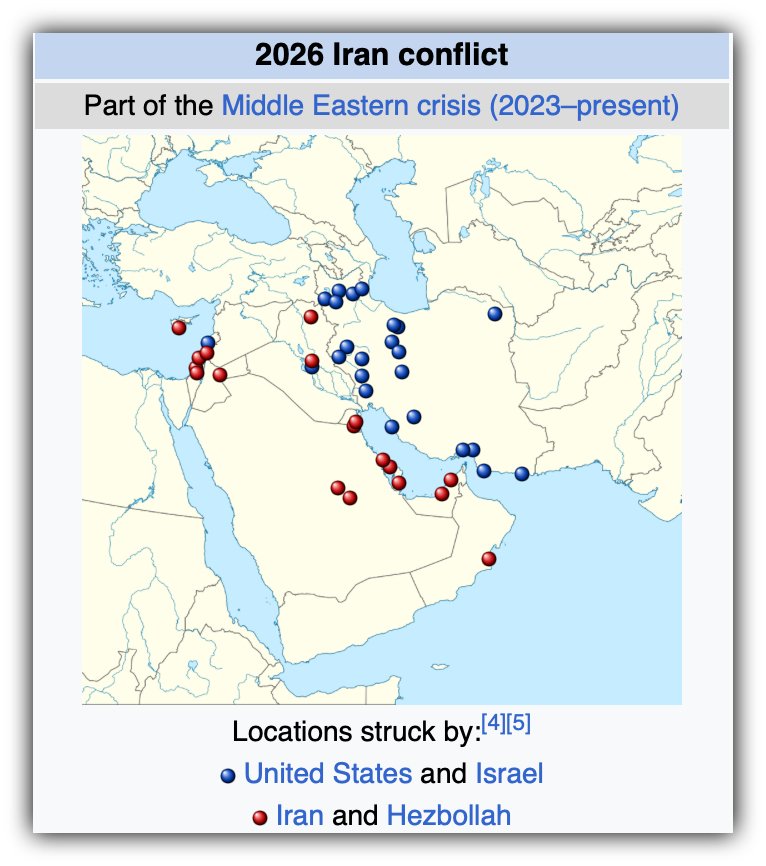
The air campaign inside Iran continues to focus on missile launch facilities, drone production sites, and command-and-control networks.
Western officials say the objective is to degrade long-range strike capability after what they describe as sustained regional security threats.
Iranian forces and Iran-aligned groups have responded with missile and drone launches across multiple fronts.
Military activity has also reached Europe’s southern defensive perimeter.
A suspected Iranian drone struck the runway of the British military installation at RAF Akrotiri in Cyprus, causing minor damage and no casualties. Two additional drones were intercepted before impact.
The United Kingdom says it is not formally at war but is providing limited defensive logistical support. Nearby European states, including Greece, have increased maritime surveillance and readiness.
Casualties Reported Across Multiple Theaters
Reliable casualty totals remain uncertain, but humanitarian estimates indicate significant losses.
• Iranian Red Crescent authorities report roughly 555 deaths inside Iran from air and missile strikes across more than 130 cities.
• In Lebanon, where Hezbollah is engaged in fighting Israeli forces, at least 31 people have been killed.
• Israeli officials report at least 11 civilian deaths from missile and drone attacks.
• Several U.S. military personnel have been killed in combat operations and related incidents.
The Pentagon states there is no intelligence showing Iran planned an initial attack specifically targeting U.S. forces, though officials warn the campaign will require sustained operational commitment.
Trump’s Military Strategy and Public Statements
Donald Trump has defended the strikes as a preemptive national security measure.
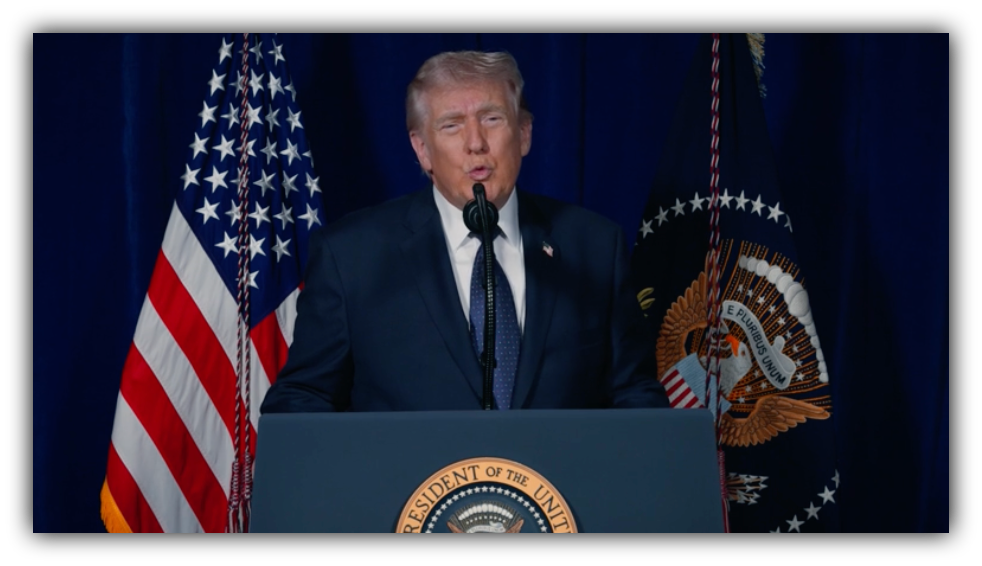
He stated that operations were ordered to disrupt Iran’s missile and nuclear capabilities, which he described as an “intolerable threat.”
Trump has publicly suggested escalation may continue, reportedly stating, “The big wave hasn’t even happened. The big one is coming soon,” referring to potential future military operations.
The administration’s position is that combat operations will continue “until objectives are achieved.”
Statements posted on Truth Social reinforce the argument that U.S. action is necessary for national security.
Debate continues inside the United States Congress over war powers authorization for extended operations.
Global and Alaska Energy Market Effects
Energy Markets
The greatest long-term economic risk remains disruption near the Strait of Hormuz, a critical transit corridor for global petroleum exports.
If maritime security worsens, oil prices are likely to stay elevated due to a sustained geopolitical risk premium rather than sudden catastrophic spikes, unless shipping routes are blocked.
For the United States, higher global oil prices generally translate into higher gasoline and heating fuel costs. The effect is especially relevant in cold-climate energy markets.
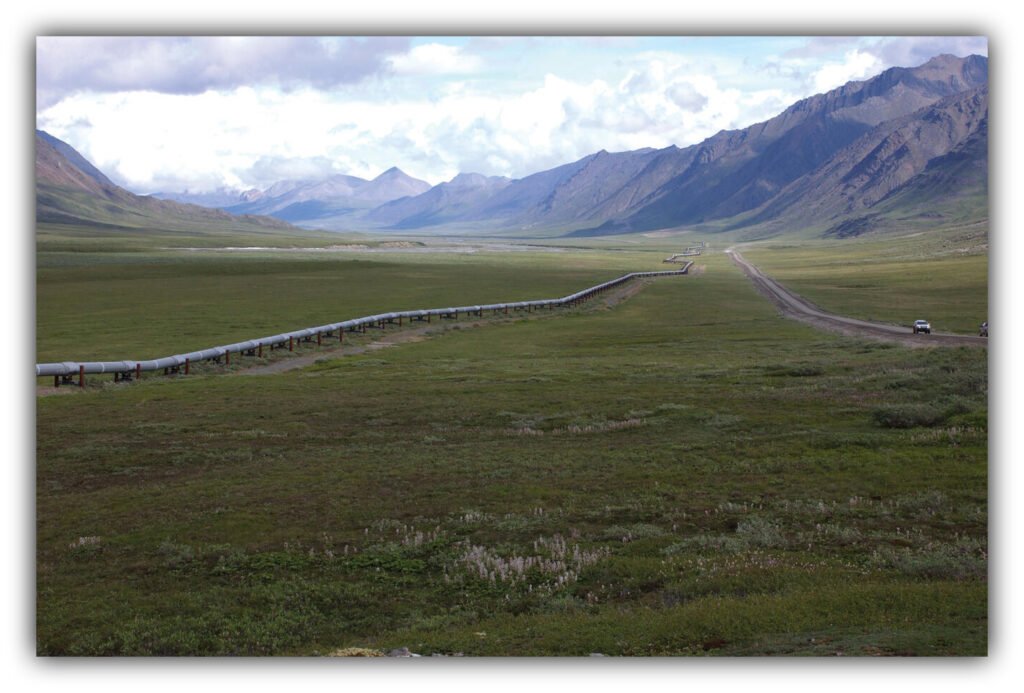
In Alaska, where transportation costs and heating demand are highly sensitive to fuel price movements, prolonged conflict could produce several localized impacts:
• Increased cost of diesel and aviation fuel, which are essential for rural transportation and cargo delivery
• Higher winter heating expense pressure for households and businesses
• Potential revenue gains for in-state oil production if global prices remain elevated
• Greater volatility in shipping costs for communities dependent on barge supply systems
Because Alaska’s economy is partially tied to energy extraction and global commodity pricing, sustained conflict could create mixed effects. The petroleum sector may benefit from higher global prices, while consumers and small businesses could face higher operating costs.
Economists expect the region to see ongoing fuel price swings rather than a fundamental breakdown of energy supply, unless the conflict expands enough to disrupt major global shipping routes.
Trade and Transportation
International shipping and aviation sectors are adjusting routes to avoid high-risk airspace.
Airline operating costs are increasing, potentially raising ticket prices and causing occasional travel disruption.
Defense-related manufacturing and energy security industries may experience economic gains, while tourism and logistics sectors are more vulnerable.
Travel Safety for Americans
For most destinations outside the Middle East, travel remains generally possible.
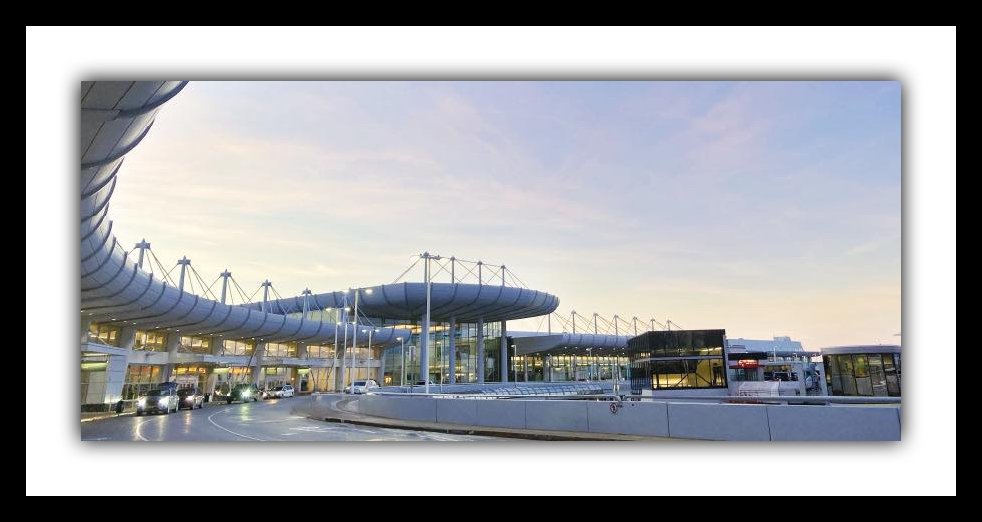
The U.S. government has issued a worldwide travel caution but has not restricted tourism to major regions such as the Caribbean, Europe, East Asia, or the South Pacific.
Americans are advised not to travel to high-risk conflict zones including Iran and certain nearby states due to terrorism risk and limited consular protection.
Travel experts recommend:
- Monitoring official advisories before departure
- Enrolling in the Smart Traveler Enrollment Program
- Purchasing travel insurance covering conflict-related disruption
Airline routes may change suddenly due to military airspace adjustments.
Political Stability Inside the United States
Public Opinion and Polarization
Public polling shows that U.S. attitudes toward the Iran conflict are divided, with support for aggressive military action relatively limited and concern about prolonged involvement more widespread.
| Survey Measure | Result |
|---|---|
| Support for U.S. strike campaign | About 27% approve of the military action according to a Reuters-Ipsos poll |
| Disapproval of strike campaign | Approximately 43% disapprove |
| Uncertain or no opinion | Roughly 29% did not express a clear view |
| Perception of presidential military use | 56% believe the Donald Trump administration is “too willing” to use military force |
| Expectation of long-term war | Majority of respondents in related surveys believe a prolonged conflict with Iran is likely |
The polling suggests Americans are divided over the conflict with Iran, with strong support for aggressive military action limited to a minority while uncertainty and concern about prolonged warfare are more widespread. Public attitudes follow a familiar historical pattern where initial backing for security-focused military responses can decline if fighting continues or casualties rise. The data also indicates that the administration of Donald Trump faces a politically balanced but potentially sensitive situation, with no clear mandate either for rapid escalation or immediate withdrawal.
Congressional Debate
Members of the U.S. legislature are debating whether prolonged military engagement requires additional authorization.
Key issues include:
- Oversight of executive military authority
- Casualty reporting transparency
- Duration of combat operations
Domestic Unrest Risk
Historical analysis of major overseas wars suggests protest activity can increase if conflicts continue for years.
However, large-scale systemic destabilization inside the U.S. is considered unlikely unless:
- Draft policies are introduced
- U.S. territory is directly attacked
- Civilian casualty rates rise sharply
Economic Forecast if War Continues 6–24 Months
| Sector | Outlook |
|---|---|
| U.S. Economic Growth | Slightly reduced but stable |
| Global Energy Prices | Elevated volatility |
| Financial Markets | Moderate uncertainty |
| Travel & Tourism | Periodic disruption risk |
| Defense Industry | Potential expansion |
| Consumer Costs | Gradual inflation pressure |
Most strategic assessments currently rate the probability of internal U.S. political collapse or systemic economic breakdown as very low over the next two years.
Escalation Risk Assessment
Security analysts watch five critical thresholds:
- Direct NATO combat entry
- Large-scale civilian population targeting
- Closure of major maritime trade corridors
- Entry of additional major powers into active warfare
- Deployment or signaling of nuclear weapons
None of these thresholds has been officially crossed.
The conflict is best described as a high-intensity regional war with global economic effects, not a world-scale alliance war.
Bottom Line
The Middle East conflict remains serious and unstable but has not yet reached conditions typically associated with global war.
The greatest danger is not sudden worldwide military collapse, but accidental escalation, trade route disruption, or unexpected attacks on strategic infrastructure.