By Gina Hill | Alaska Headline Living | November 2025
Southcentral Alaska Highways: Glenn, Parks, Seward & Sterling
Good morning, my dears. Here’s what Memaw’s seeing for your commute: the skies, the roads, and the potential trouble spots. It’s not a full-blown weather freak-out, but she’s double-checked so you don’t end up praying to your AWD.
🌨️ Weather Outlook (Southcentral)
- According to regional forecasts, this morning should be relatively calm across much of Southcentral.
- There’s a cool, seasonal vibe: overnight lows are dipping to typical chilly values, suggesting roads are likely slick in places, especially where moisture lingers.
- No major winter storm warnings or avalanche warnings are active in the sources I checked this morning, but coastal or pass-prone corridors (like parts of the Seward / Sterling) are always ones to watch if weather shifts.
- Forecast models and Alaska’s News Source suggest the next low-pressure system (bringing more snow) is more likely to impact Southcentral later in the week, not this morning.
🛣️ Road / Traffic Conditions (Highways)
Using Alaska 511 and current road-project info, here’s what’s up on your main travel arteries.
Parks Highway
- No major 511 alerts for full closures or incidents at the moment. 511.alaska.gov
- The road is likely holding with standard winter driving conditions: watch for frost, black ice, or light patches, especially on bridges or shaded curves.
- Construction / maintenance: nothing new from 511 that would significantly change your morning.
💅 Memaw advice: If you’re heading out on the Parks, don’t race. Let the tires bite, slow into the corners, and give yourself that buffer.
Glenn Highway
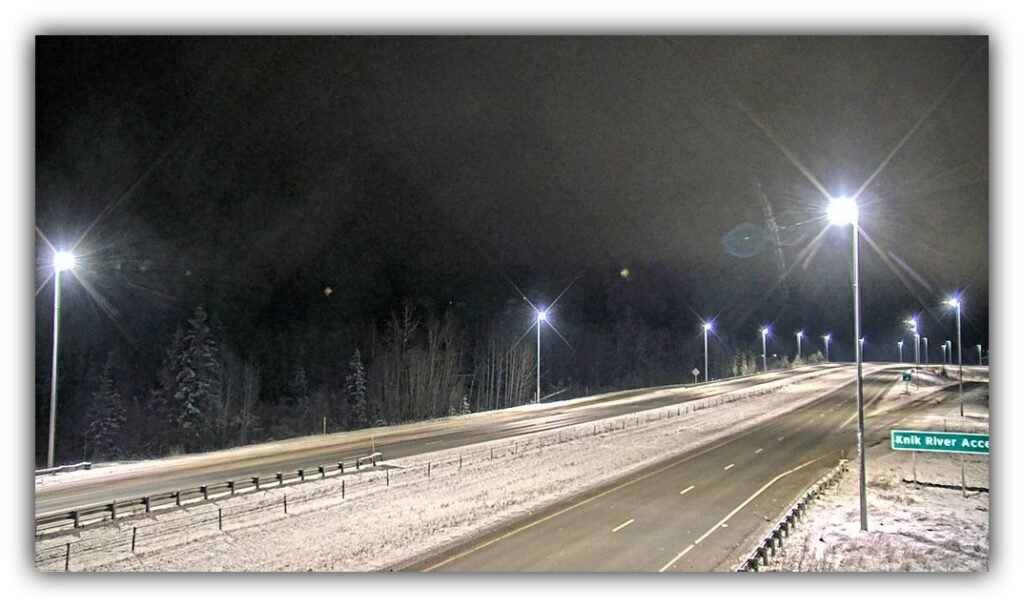
- Again, no active Alaska 511 red-flag incidents right now. 511.alaska.gov
- There is a long-term DOT/ADOT project (reconstruction) on parts of the Glenn between Parks Highway and Inner Springer Loop, but it appears more related to capacity / safety improvements than emergency closures. Alaska Department of Transportation
- With low temps and possible lingering moisture, expect patchy slick spots, especially early in the morning. Commuters should assume that traffic will be slower through problem curves or where ongoing construction could narrow lanes.
💅 Memaw advice: Take it easy, especially where the roadwork is. Don’t try to beat the traffic. Just be smarter than the guy who thinks his car is invincible.
Seward Highway
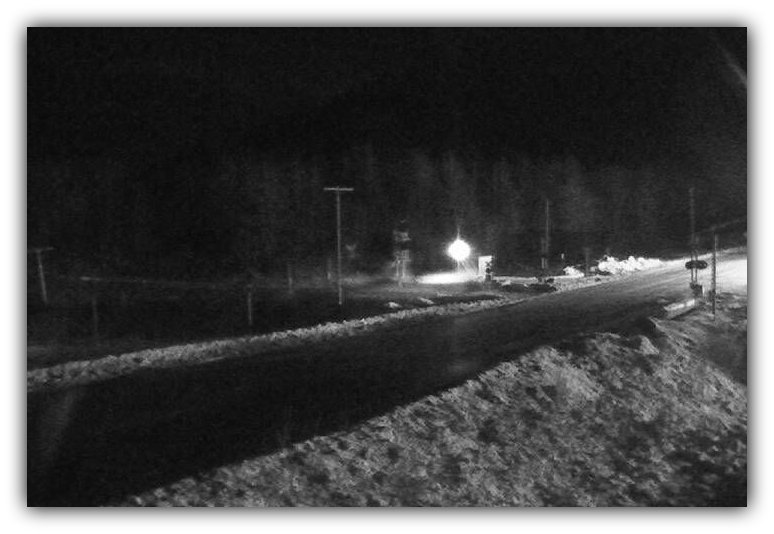
- There are no current avalanche-trigger warnings or highway closures listed on 511 for Seward / Sterling this morning. 511.alaska.gov
- That said, the Seward Highway is notoriously moody, especially in winter, and snow accumulation or drifting could create slick patches.
- Long-term: there is a DOT rehabilitation project on Seward from MP 25.5 to 36, which may mean certain sections have narrower shoulders, drainage fixes, or resurfacing work. Alaska Department of Transportation
- Because of the terrain (mountainous, near the coast), even without an alert, there’s non-zero risk for localized travel hazards.
💅 Memaw advice: Keep both hands on the wheel, your eyes on the road, and don’t be surprised if you slow down for a stretch. If you see maintenance crews or warning signs, trust them. They’re not there for show.
Sterling Highway
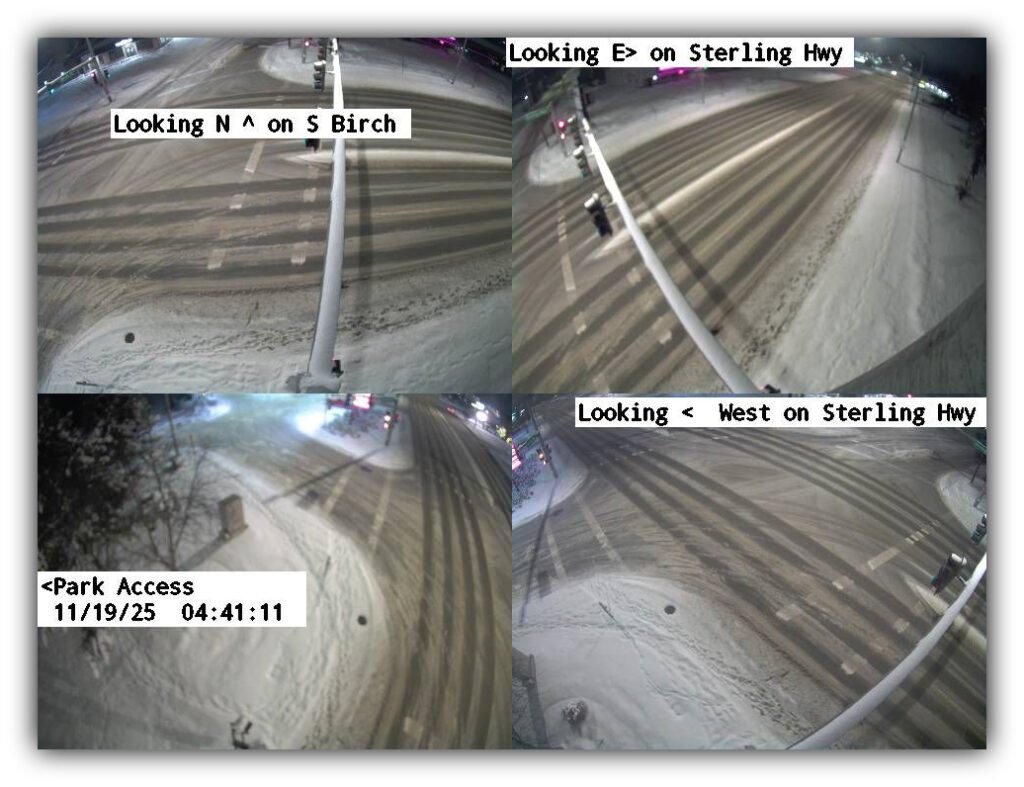
- Like Seward, no major active alerts right now via 511 for Sterling. 511.alaska.gov
- Sterling’s terrain means snow-drifts or slick patches could be out there, even without a formal notice, especially when cold snaps hang in.
- It’s a long highway, so conditions can vary greatly: what’s fine near the “Y” might be trickier further down the road, depending on elevation and exposure.
💅 Memaw advice: If you’re traveling down the Peninsula, give yourself time, check your mirrors, and be ready for spots that look fine but feel slippery. Don’t let your guard down just because the 511 map is clear.
✅ Final Tips from Memaw
- Check Alaska 511 before you go, especially for live camera views and any last-minute incidents. 511.alaska.gov
- Drive like you care about your car and your insurance premium. Slow down in shaded or elevated areas.
- Use winter driving basics: Keep a safe following distance, don’t brake hard, and watch for black ice.
- Pack your “just in case” stuff: A warm blanket, gloves, and a phone charger are never a bad idea in Southcentral winter road work.
- Plan buffer time because a “calm” morning can turn messy fast, especially on mountain or coastal highways.