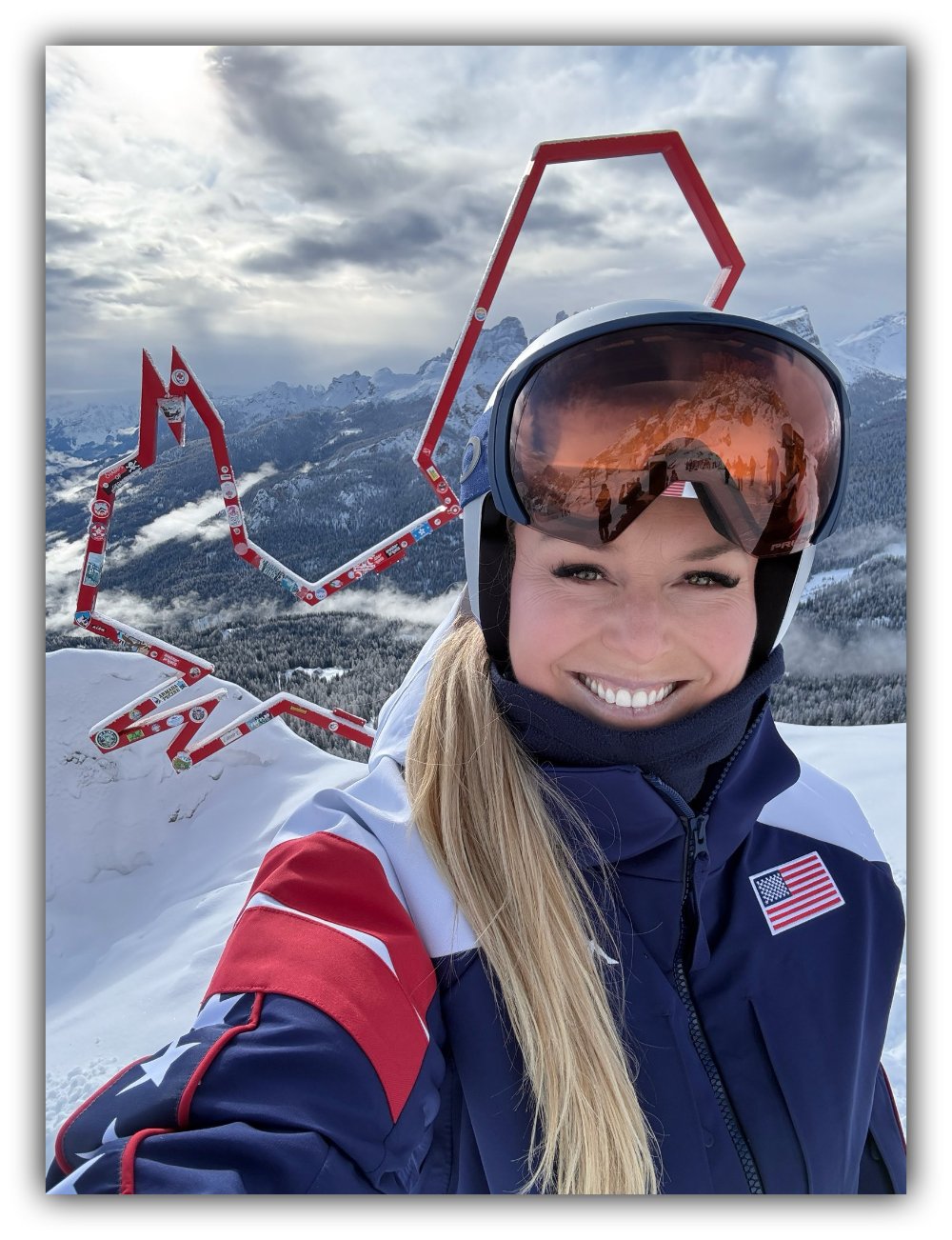
Lindsey Vonn beams in a selfie taken during her first downhill training run at the Olympia delle Tofane course in Cortina d’Ampezzo, Italy, on Feb. 6, 2026. Posted to her X account (@lindseyvonn), the image shows the 41-year-old U.S. skiing legend radiating excitement just two days before her ill-fated Olympic downhill race.
By Gina Hill | Alaska Headline Living | February 2026
🚨 UPDATE: See the newest update on Lindsey Vonn’s condition from the legendary skier, herself here. ⛷️
Lindsey Vonn, American skiing icon, has long credited her mental resilience for powering through a career marked by 82 World Cup wins and Olympic gold. At 41, her bold 2026 Winter Olympics comeback, racing downhill just days after tearing her ACL, ended in an Olympics-ending crash. Yet it underscored the unyielding mindset she detailed in interviews: a blend of aggression, routine, and self-belief that propelled her rise and tested her in falls.

The 41-year-old U.S. skiing legend, competing with a fresh ACL tear, lay writhing in pain as medical teams rushed in, delaying the race 13-20 minutes before her airlift to Treviso hospital for leg fracture surgery. Watch the full NBC Sports video of the crash here: NBC Sports
Rise Through Mindset Mastery
Vonn described skiing as a “mental game.” She balanced fierce aggression with inner calm to dominate downhills at speeds over 80 mph. In a BBC interview, she revealed her “ideal frame of mind” involved routines like detailed race notes on skis, food, and conditions to reference during slumps. This turned potential failures into data-driven comebacks.
Injury Battles and Mental Rebuilds
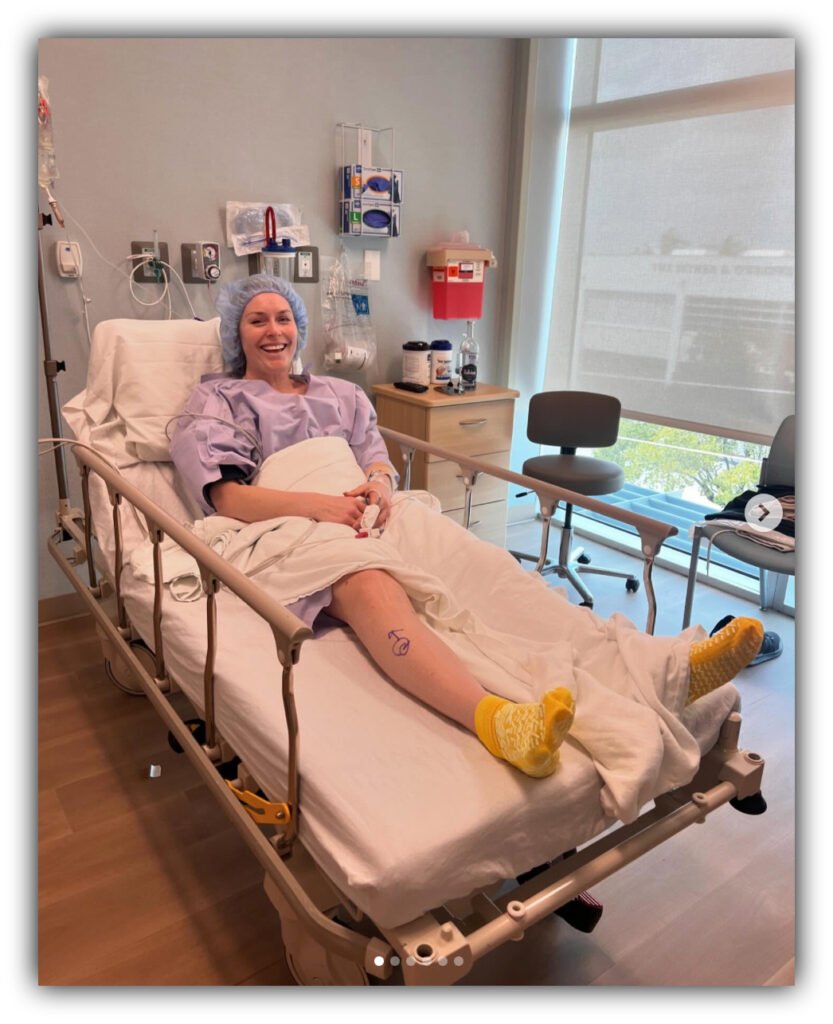
Severe injuries, including multiple knee surgeries, tested Vonn’s psyche. She framed them as “training for life,” building “thicker skin” against media judgment and self-doubt. On podcasts, she shared hating losses not just competitively, but for the external scrutiny they invited. This pushed a cycle of relentless winning. Post-race, she would mentor young athletes on translating athletic grit to mental health. She emphasized self-care as key to prosperity.
2026 Fall and Post-Competitive Reflection

U.S. skier Breezy Johnson surges across the finish line at Tofane Alpine Skiing Centre in Cortina d’Ampezzo on Feb. 8, 2026, claiming gold in the women’s downhill. Her 1:36.10 triumph, Team USA’s first Milano Cortina medal, followed Lindsey Vonn’s crash, marking Johnson as the second American woman with Olympic downhill gold. Courtesy Team USA
Vonn’s February 8 crash in Cortina d’Ampezzo, clipping a gate and fracturing her leg, dashed medal hopes. Her response echoed past resilience. She congratulated gold-medal teammate Breezy Johnson while her coach hailed her “bravery.” Vonn has spoken of retirement’s “void” like grieving. She missed the rush yet rediscovered skiing’s joy. The 2026 bid, though ending in heartbreak, affirmed her identity as a perpetual “one-upper.” She always chased the next challenge despite age and odds.

Through it all, her mental edge, surrendering expectations while staying routine-driven, remains her legacy. It inspires athletes to channel high-performance habits beyond the slopes, from media roles and motivational speaking to business ventures, athlete advocacy, and adventure pursuits that sustain the thrill without the gates.