
Side-by-side USPS and Amazon promotional photos highlight the two workforces that keep Alaska supplied. Changes in their companies’ agreements could directly influence how mail and packages reach the state’s most remote neighborhoods.
By Gina Hill | Alaska Headline Living | December 2025
The Good, The Bad and The Ugly
Alaska relies on a fragile supply chain. Whenever Amazon or the U.S. Postal Service adjusts contracts, delivery models, or procurement rules, rural and remote communities feel it first. Neither organization has released specific negotiation terms, but both have published materials that show where things are heading. Below is what official Amazon and USPS sources signal right now.
The Good
Amazon is investing directly in Alaska.
Amazon’s corporate newsroom highlights new delivery infrastructure in Anchorage and ongoing multi-billion dollar investment in rural delivery expansion. Those improvements help shorten delivery times and add stability for customers on the road system.
USPS is modernizing to protect universal service.
USPS’s “Delivering for America” transformation plan states its goal is to create a more reliable and financially sustainable national network. If the plan works as intended, essential mail and package service to remote Alaska communities should remain supported.
Both organizations show continued commitment to operating in Alaska.
Amazon’s Alaska facility announcements and USPS’s Alaska holiday and operations postings confirm active service in the state.
The Bad
USPS contracting changes could affect local Alaska carriers.
USPS procurement manuals describe competitive tools like reverse auctions. These tend to reward the lowest bidder and may squeeze out smaller, Alaska-based contractors who provide key air and boat routes to remote communities.
Amazon’s investments are not the same as universal access.
Amazon’s own materials promote expansion where it makes commercial sense. That supports Anchorage and some hub communities but does not guarantee service to high cost or hard to reach areas. For example, neighborhoods like Settlers Bay in Wasilla currently do not receive USPS service. Residents must use a Post Office Box or a third party post office to receive their mail.
Negotiation transparency is limited.
USPS Freedom of Information Act logs show that requests for USPS–Amazon contract details were denied. Without clear public terms, it is harder for boroughs, tribes, and local businesses to anticipate changes in shipping patterns or costs.
The Ugly
If Amazon grows its own delivery network and reduces USPS reliance in some regions, remote Alaska could be left with fewer options.
Amazon’s public messaging emphasizes expanding its in-house delivery capacity. USPS is simultaneously reshaping its contracting structure. Those two realities could eventually leave neighborhoods already without home delivery with limited options if small local carriers cannot compete.
Procurement pressure may push out rural carriers who cannot survive razor-thin bids.
If small aviation or surface contractors lose USPS work, villages may face longer delays, reduced frequency, or higher private-carrier rates.
Alaskans lack visibility into decisions that may reshape essential supply chains.
With USPS withholding contract terms and Amazon publishing only broad investment summaries, communities are forced to prepare for change without full information.
What Settlers Bay HOA Residents Are Doing
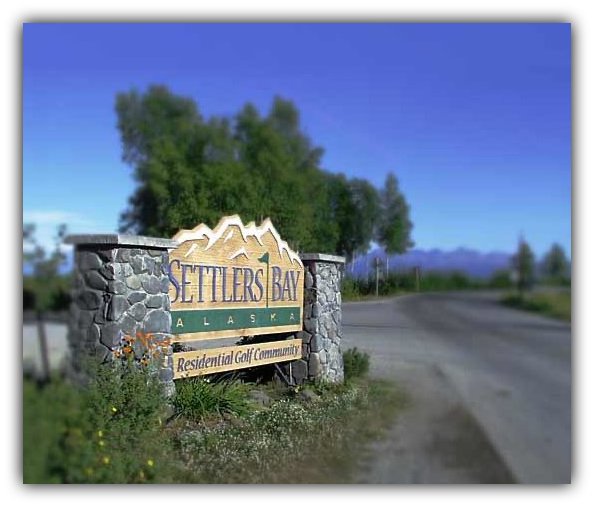
Residents have been asked to contact Senator Lisa Murkowski to request that USPS officials address the delivery gap in their neighborhood.
- Phone: (907) 271-3735
- Website Contact Form: https://www.murkowski.senate.gov/contact
Reaching out to elected officials is one of the few ways local residents can ensure that rural and underserved neighborhoods get proper mail delivery.
Bottom Line for Alaskans

Amazon’s investments could improve delivery for urban and road-system areas. USPS’s modernization plan aims to stabilize long term universal service. But contracting shifts, opaque negotiations, and competitive pressures create real risks for rural and remote Alaska. Residents, boroughs, tribes, and businesses should track USPS procurement notices, Amazon’s Alaska infrastructure updates, and advocate to officials when gaps appear, just like the residents of Settlers Bay are doing.