By Gina Hill | Alaska Headline Living | February 2026
Staying on top of health news can feel overwhelming, especially with so much information and misinformation floating around online. But knowing the facts can make a real difference for your well-being. From busting common breast cancer myths to learning about breakthrough ovarian cancer treatments and discovering the surprising brain-boosting benefits of coffee and tea, here is the latest evidence-based health news that Alaskans should know.
🩷 Breast Cancer Myths Are Everywhere | Here’s What Survivors Should Know
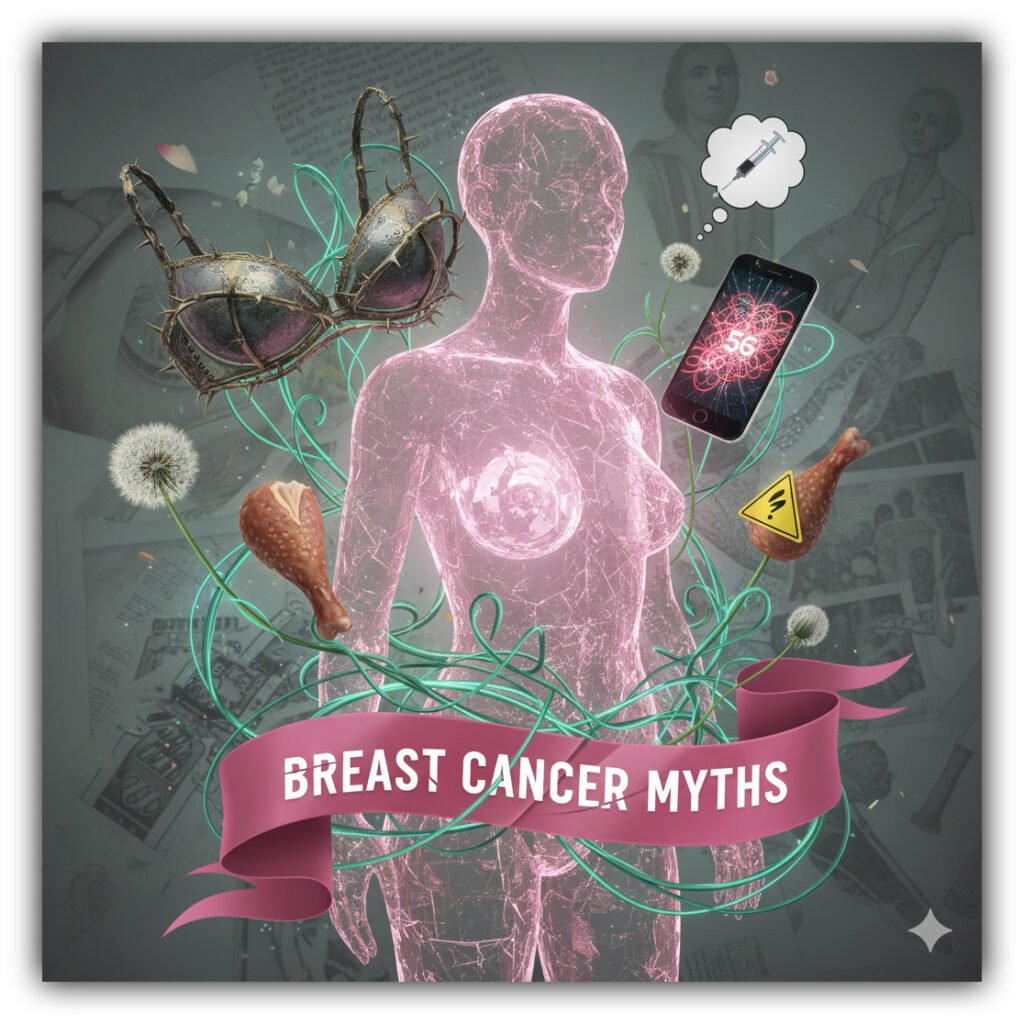
Most breast cancer survivors see false health claims online, a recent survey by Breastcancer.org shows. Three out of four respondents reported encountering misinformation about behaviors that could affect cancer progression or recurrence.
Sixty-five percent saw claims that sugar, deodorant, vaccines, or certain types of bras could trigger cancer to return. More than half encountered advice on “lowering risk” that isn’t supported by science, like eating organic foods, taking supplements, or drinking alkalized water.
Kaitlyn Lapen, MD, a study co-author and radiation oncology resident at Memorial Sloan Kettering Cancer Center in New York City, warned, “When misinformation starts to erode trust in doctors and evidence-based treatment, that’s when it can be harmful.”
The study also found some reassurance: exposure to misinformation did not make survivors more fearful of recurrence or cause them to skip treatments. Experts recommend sticking with reliable sources, like Breastcancer.org, peer-reviewed journals, and trusted healthcare providers.
🩱FDA Approves Promising New Treatments for Ovarian Cancer

Good news for patients with certain hard-to-treat ovarian cancers: the Food and Drug Administration has approved pembrolizumab (Keytruda) and pembrolizumab with berahyaluronidase alfa-pmph (Keytruda Qlex) in combination with paclitaxel. These treatments are for adults whose tumors express PD-L1 and who have platinum-resistant ovarian, fallopian tube, or primary peritoneal cancer after one or two prior treatment regimens.
The approval also includes a companion test, PD-L1 IHC 22C3 pharmDx, to help doctors identify patients who are most likely to benefit.
In the clinical trial that led to approval, patients were randomly assigned to either the treatment group (receiving pembrolizumab plus paclitaxel, with or without bevacizumab) or a placebo group (receiving paclitaxel, with or without bevacizumab, but no active pembrolizumab). This “double-blind” design meant that neither the patients nor the doctors knew who was getting the real drug, which helps make the results more reliable.
The trial showed that patients receiving pembrolizumab lived longer without the cancer progressing (median 8.3 months vs 7.2 months for placebo) and had improved overall survival (median 18.2 months vs 14.0 months). Safety results were consistent with previous studies, including manageable immune-related and infusion reactions.
Recommended dosing is 200 mg of pembrolizumab every three weeks or 400 mg every six weeks, for up to 24 months. Combination therapy dosing is adjusted based on schedule but is administered similarly.
This approval was reviewed under Project Orbis, an FDA program that allows international collaboration to review cancer drugs more quickly.
☕️ Coffee and Tea May Help Protect Your Brain

Here’s a perk for coffee and tea lovers: a long-term study in JAMA followed more than 130,000 adults for up to 43 years and found that drinking caffeinated coffee or tea may lower the risk of dementia and support cognitive health.
Participants who drank 2–3 cups of caffeinated coffee or 1–2 cups of tea daily had the best outcomes. They experienced lower rates of memory decline and performed slightly better on cognitive tests. Decaffeinated coffee, however, was not linked to lower dementia risk.
While researchers say individual results can vary, these findings suggest that moderate coffee and tea intake can be a simple, everyday way to support brain health.
From separating fact from fiction in breast cancer care, to new treatments offering hope in ovarian cancer, to small lifestyle choices that may protect your brain, staying informed is key. Reliable information empowers you to make choices that support your long-term health and well-being.