
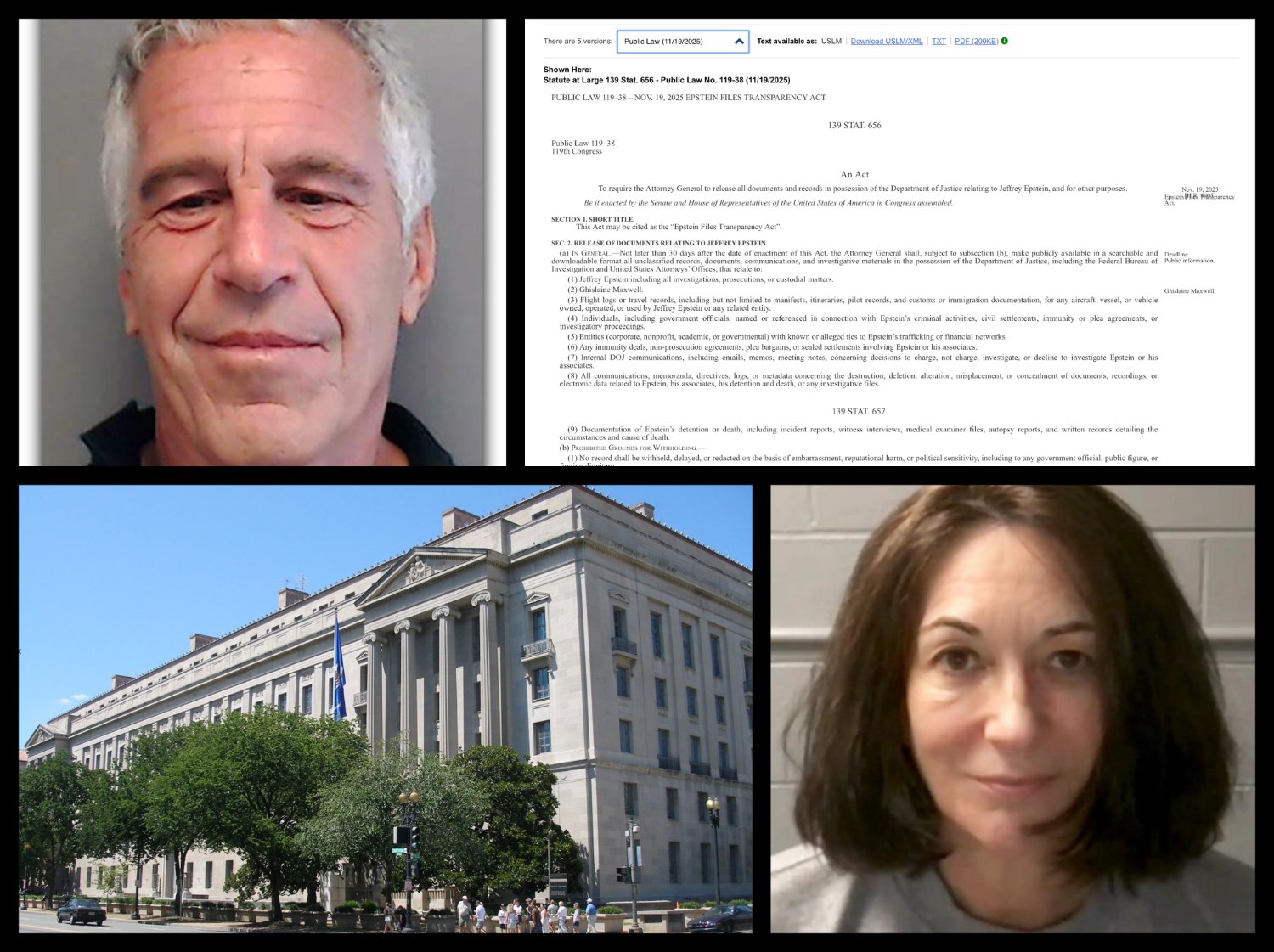
This collection of images reflects the key elements of the Epstein files story: the criminal convictions of Jeffrey Epstein and Ghislaine Maxwell, the legislative mandate for public transparency through the Epstein Files Transparency Act, and the federal oversight role of the U.S. Department of Justice in releasing and managing the documents.
By Gina Hill | Alaska Headline Living | December 2025
By any reasonable reading of the law, the Epstein files should already be public.
Congress said so. The statute said so. The deadline passed, and yet what Americans received instead was a partial release, a maze of redactions, disappearing documents, and a Justice Department offering reassurances without results.
This is no longer a story about patience. It is a story about power, compliance, and whether the executive branch intends to obey a law written specifically to restrain it.
If the administration continues to stall, the story shifts from ‘delayed transparency’ to ‘statutory defiance.’ That line matters legally and politically, and I will call it when it’s crossed.
We are now standing directly on that line.
The Law Was Clear

The Epstein Files Transparency Act required the Department of Justice to release all unclassified records related to Jeffrey Epstein and associated investigations by December 19, 2025. The language was explicit: records must be searchable, downloadable, and complete, with only narrow redactions allowed for victim protection, classified information, or ongoing investigations.
This was not a suggestion. It was a mandate, passed overwhelmingly and signed into law.
The purpose was equally clear. After years of secrecy, sealed settlements, unexplained plea deals, and unanswered questions surrounding Epstein’s network, Congress intended to force sunlight into a system that had repeatedly failed victims and protected the powerful.
What Was Released and What Wasn’t
To be fair, something did happen.
The Justice Department published hundreds of thousands of pages, including court filings, investigative photos, early FBI complaints, and long known records. That is the good news.
The bad news is that much of it is unreadable, incomplete, or functionally useless. Entire pages are blacked out. Names are redacted in bulk rather than selectively. Key timelines are interrupted by missing documents. Search tools malfunction or fail outright.
Even more troubling, multiple files appeared briefly in the public database and then vanished, including material that immediately drew public attention. No explanation followed. No correction notice. No accounting.
That is not how lawful transparency works.
The Deadline Came and Went
The most damning fact is simple: the administration missed the statutory deadline.
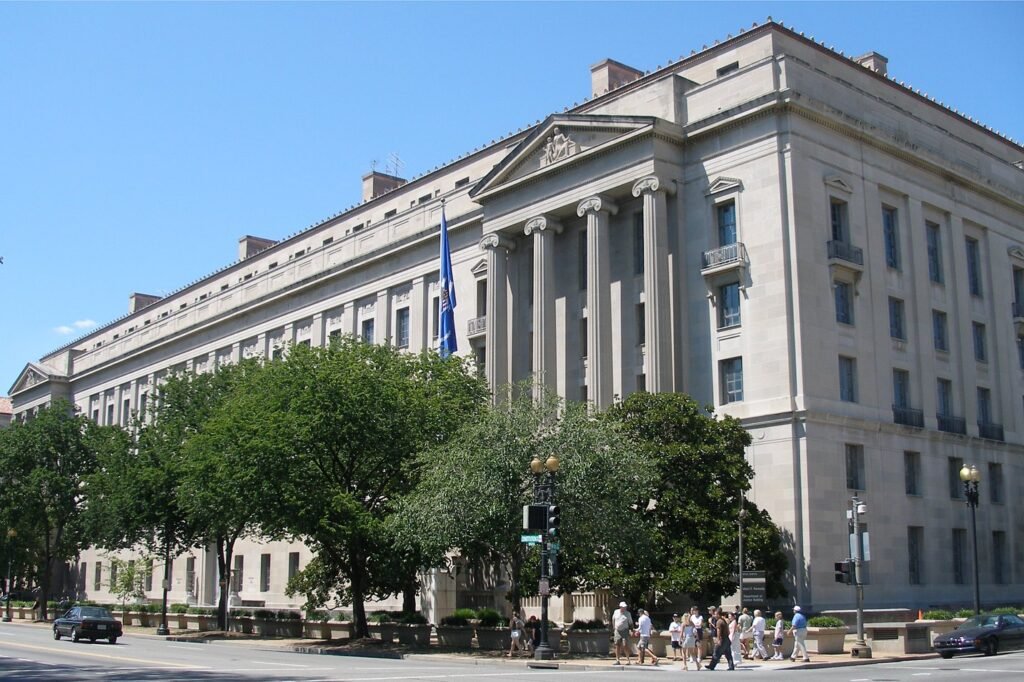
Rather than complying fully by December 19, the Justice Department announced it would release documents in phases. That approach appears nowhere in the law. There is no provision allowing DOJ to unilaterally rewrite the timeline or substitute partial compliance for full disclosure.
In other words, this is not a gray area. It is a direct contradiction of congressional instruction.
Lawmakers from both parties have noticed. Some are discussing legal remedies. Others are raising the possibility of subpoenas, inspector general investigations, or court enforcement. Survivor advocacy groups accuse DOJ of obscuring accountability behind overbroad redactions.
A Post That Lit the Fuse

As the deadline expired, the Justice Department attempted to frame the delay as a matter of prudence rather than defiance. A post on X by Deputy Attorney General Todd under Attorney General Pam Bondi argued that additional time was needed for redactions and victim protections.
The response was immediate and fierce.
Members of the public, legal analysts, and lawmakers pushed back, pointing out that the statute does not grant DOJ discretion to delay release. Representative Thomas Massie stressed that the law required the release of all materials by that date, not some materials, not a first phase, and not a subset defined by the agency.
Other responses were blunt. Critics accused DOJ leadership of slow walking compliance, selectively redacting information beyond victim names, and attempting to reinterpret plain statutory language. One recurring theme stood out: the public reaction was rooted in statutory text. Again and again, critics pointed back to the word “all.”
Justice Will Prevail: “WRONG!! You’re already screwed. Accountability is coming and you’re at the top of the list!!”
Jurassic Carl 🦖🐭: “It literally says ‘all’ materials by today – not just some.”
Adam Cochran: “The DOJ does not have the authority to withhold claiming they need more time for redactions. The law is clear.”
@JoJoFromJerz They ALL needed to be released by today. I know you think you’re gonna walk out of this with a pardon, but he won’t need you anymore. You’ve already done what he needed you to do. He’ll have no reason to save you. History will forever remember you for what you did in covering this up. I feel sorry for anyone related to you. They’ll forever have to share your shame.
Why the Redactions Matter
Protecting victims is essential. No serious observer disputes that.
What is disputed is whether the Justice Department is using victim protection as a shield to conceal institutional failure or political exposure. When entire documents are erased rather than surgically redacted, transparency collapses. When known historical facts are obscured without explanation, trust erodes.
Transparency laws exist to make agencies accountable, not comfortable.
The reaction to the deputy attorney general’s post revealed that the public is no longer willing to accept assurances in place of compliance.
The Politics of Delay

The Epstein case sits at the intersection of wealth, influence, law enforcement, and politics. Every delay is consequential.
The longer this drags on, the more it reinforces suspicion that powerful interests are being protected again. If an administration can slow walk a law designed to expose elite misconduct, then the law itself becomes optional.
This is not about any one name in a document. It is about whether Congress can compel truth from the executive branch when it matters most.
Where This Goes Next

The administration still has a chance to correct course. A full, searchable, legally compliant release would change the trajectory of this story overnight. Clear explanations for redactions and missing files would go a long way toward restoring credibility.
But if the pattern holds, the narrative hardens.
Delayed transparency can be defended. Statutory defiance cannot.
This story is no longer waiting quietly in a filing cabinet. It is unfolding in public, in real time, under the weight of a law that was meant to end exactly this kind of evasion.
Stand by.
Sidebar: Epstein Files Transparency Act Explained

- What it requires: DOJ must release all unclassified records related to Epstein, Ghislaine Maxwell, and associated investigations. Only narrow redactions allowed for victim protection, classified information, or ongoing investigations.
- Deadline: All materials were to be public by December 19, 2025. Partial releases do not satisfy the law.
- Purpose: Ensure survivors, lawmakers, and the public can verify facts, track accountability, and expose misconduct.
Editor’s Note: Why We Can Trust This Reporting
- All claims are based on publicly available DOJ releases, court documents, and verified posts from X.
- Reactions and commentary are reported as public sentiment, not evidence of guilt.
- This report does not imply wrongdoing beyond documented failure to comply with statutory mandates.
- Our purpose is to inform readers about legal compliance, public accountability, and transparency gaps.
Explore the Epstein files yourself: The Department of Justice has released hundreds of thousands of pages of documents, court filings, and investigative records related to Jeffrey Epstein and his associates. Readers can access the full set of files, view redactions, and review the materials firsthand at the DOJ’s official site: Justice.gov