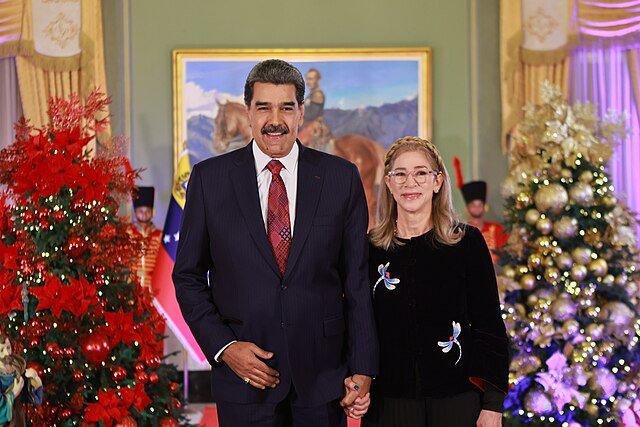
In what would be their last public appearance as Venezuelan leaders, President Nicolás Maduro and First Lady Cilia Flores addressed the nation from Miraflores Palace on Dec. 31, 2025. U.S. forces seized them in Caracas three days later.
By Gina Hill | Alaska Headline Living | January 2026
January 5, 2026 – Venezuelan President Nicolás Maduro pleaded not guilty Monday in U.S. federal court to charges tied to narcotics trafficking and weapons offenses, days after President Donald Trump confirmed that U.S. forces captured Maduro and his wife, Cilia Flores, during a military operation in Venezuela.
The court appearance places a criminal case at the center of Venezuela’s long-running political crisis, creating an unusual intersection of U.S. federal prosecution and international diplomacy. The Trump administration has described the operation as a targeted law enforcement action aimed at dismantling criminal networks, while critics abroad have questioned its legality and implications for sovereignty.
President Trump said the United States will oversee Venezuela during a transition period, arguing Maduro’s removal was necessary to restore stability and counter regional security threats. The White House emphasized the action is not a traditional military occupation and that Maduro’s case will proceed through the U.S. judicial system. Administration officials have offered few details about how authority would be transferred, leaving international observers uncertain about Venezuela’s future leadership.
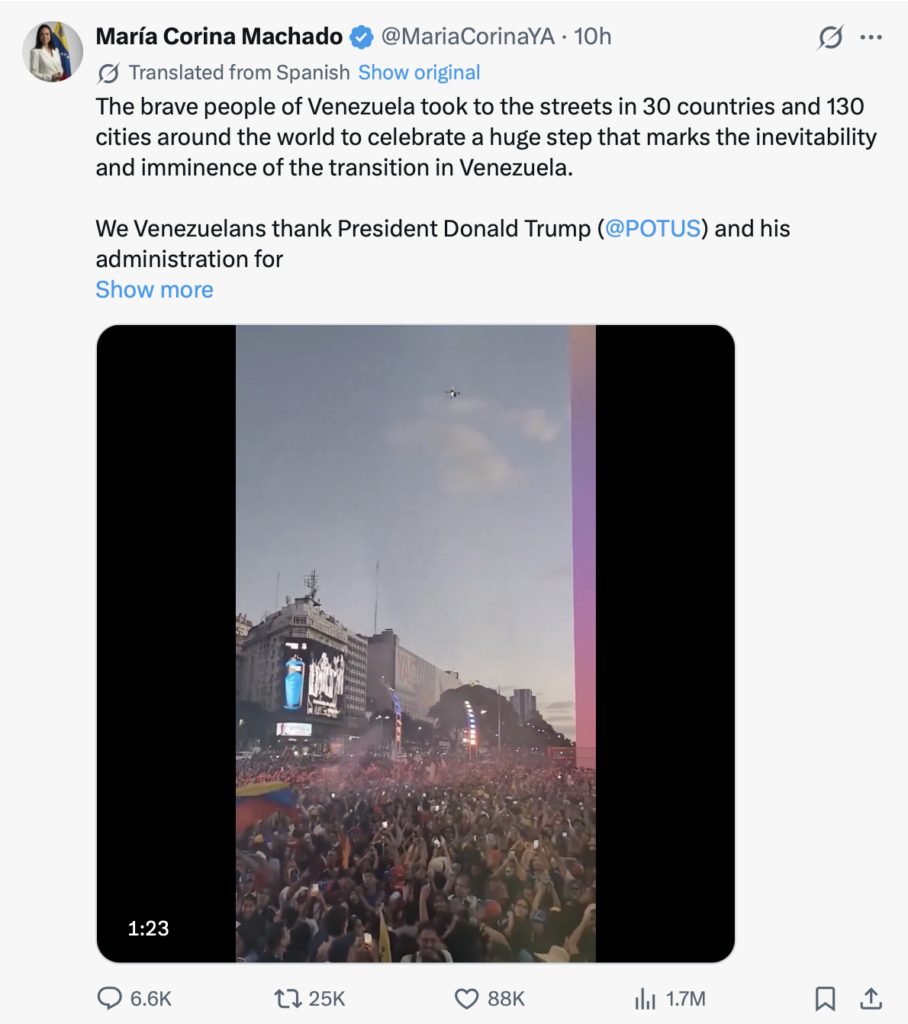
Opposition leader María Corina Machado said Venezuelans rallied in dozens of countries to mark what she called a decisive step toward political change. In a video posted online, she thanked President Trump and said Venezuela could emerge as a strategic partner of the United States on security, democracy, and energy.
Alaska Delegation Reacts
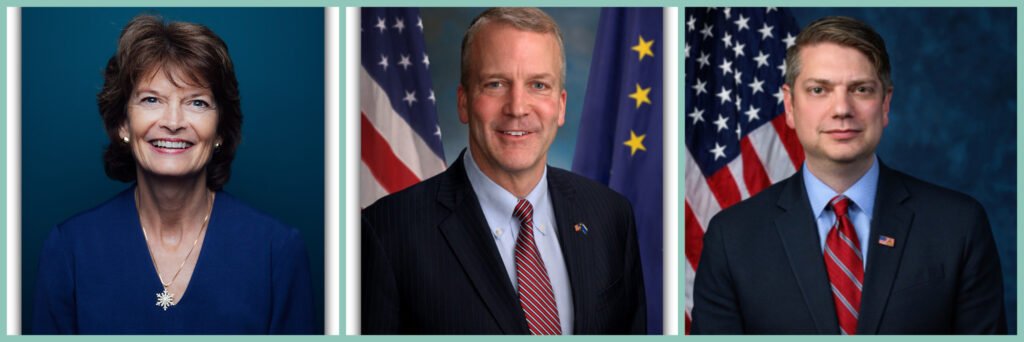
Alaska’s congressional delegation has broadly welcomed Maduro’s removal but differs on questions of oversight and legal authority. Senator Dan Sullivan praised the Trump administration and U.S. military, calling Maduro an “illegitimate, indicted dictator” and saying the operation makes Americans and the world safer. Representative Nick Begich III described the capture as a “lawful arrest” executed with precision and said it advances U.S. national security in the hemisphere.
Senator Lisa Murkowski took a more cautious tone. While she acknowledged the operation could enhance security and reiterated that the U.S. does not recognize Maduro as Venezuela’s legitimate leader, she pressed the administration for more information on the legal authority behind the military action. Murkowski said Congress will receive briefings on the operation’s scope and objectives.
Their statements reflect a delegation that agrees on Maduro’s removal but differs on how much congressional oversight and legal justification has been provided.
Alaska-Specific Energy Context

Political disruption in Venezuela could affect global oil markets, which has direct relevance for Alaska’s energy economy. Venezuela holds some of the world’s largest crude reserves, and changes in control or exports can influence global pricing. Market instability abroad can ripple through Alaskan oil production and refining, impacting revenue forecasts and investment decisions. Stability in global energy markets tends to benefit Alaska’s long-term fiscal planning, while uncertainty can complicate policy and business strategy.
As Maduro’s case proceeds, both the legal outcome and the international response will shape Venezuela’s political future and the United States’ role in managing crises in the hemisphere.