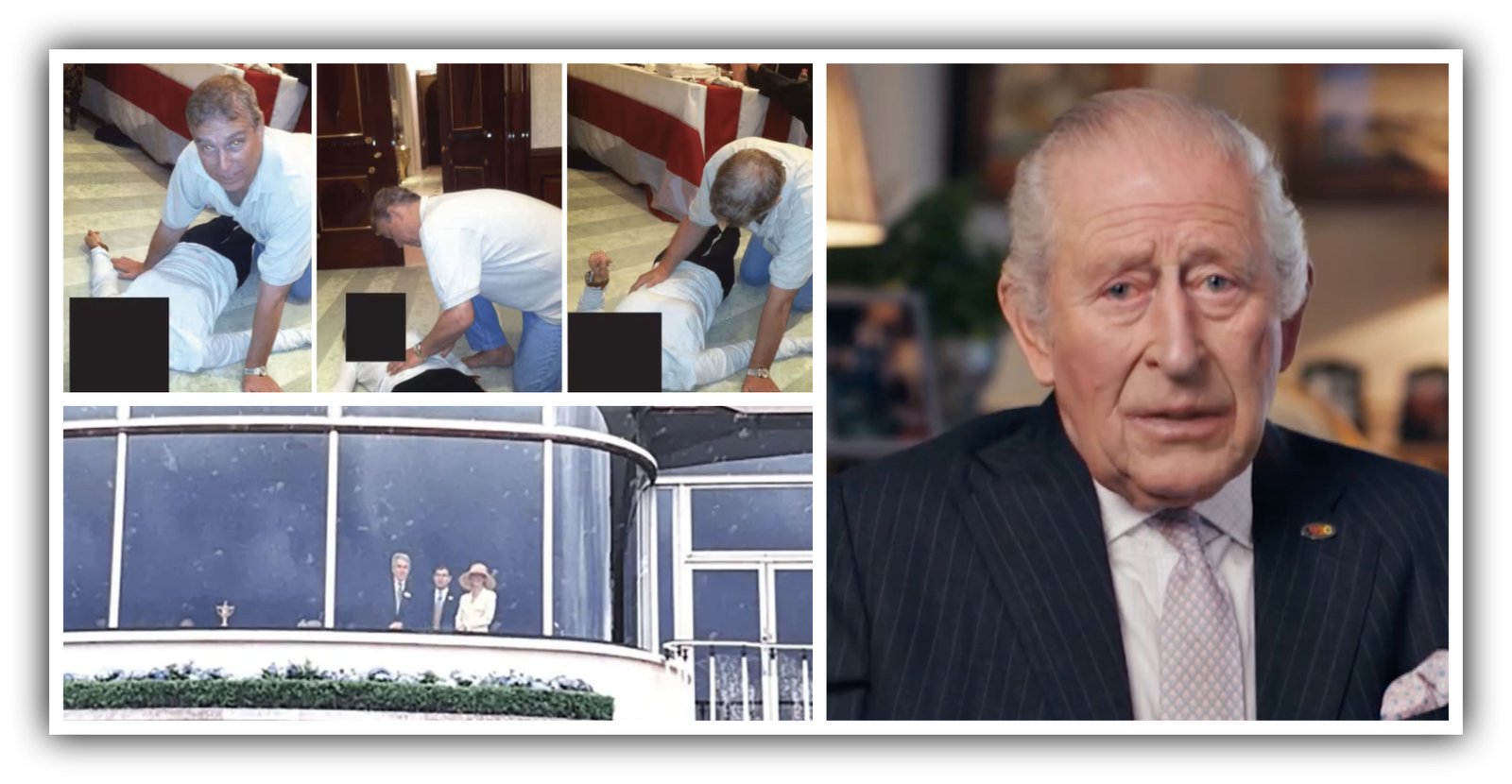
Royal scandal deepens as police confirm arrest and searches in widening misconduct investigation.
By Gina Hill | Alaska Headline Living | February 2026
Andrew Mountbatten-Windsor, formerly known as Prince Andrew, was arrested Thursday by Thames Valley Police on suspicion of misconduct in public office, according to an official statement from the force.
Police said they arrested “a man in his sixties from Norfolk” and are conducting searches at addresses in Berkshire and Norfolk as part of the investigation. Assistant Chief Constable Oliver Wright confirmed the suspect “remains in police custody at this time.” Authorities declined to publicly name the individual in line with national guidance.

Under U.K. law, suspects may be held for questioning for up to 96 hours before police must decide whether to charge or release them.
Background: Epstein and Maxwell Association
The arrest comes amid renewed scrutiny of Mountbatten-Windsor’s past association with convicted sex offender Jeffrey Epstein and Epstein associate Ghislaine Maxwell.

Epstein died in 2019 while awaiting federal trial in the United States on sex trafficking charges. Maxwell was convicted in 2021 in U.S. federal court of sex trafficking and related offenses and is serving a prison sentence.
Mountbatten-Windsor acknowledged maintaining contact with Epstein after Epstein’s 2008 conviction in Florida for soliciting prostitution from a minor. In a widely criticized 2019 BBC interview, he said he had exercised “poor judgment” in maintaining the relationship but denied any criminal wrongdoing.
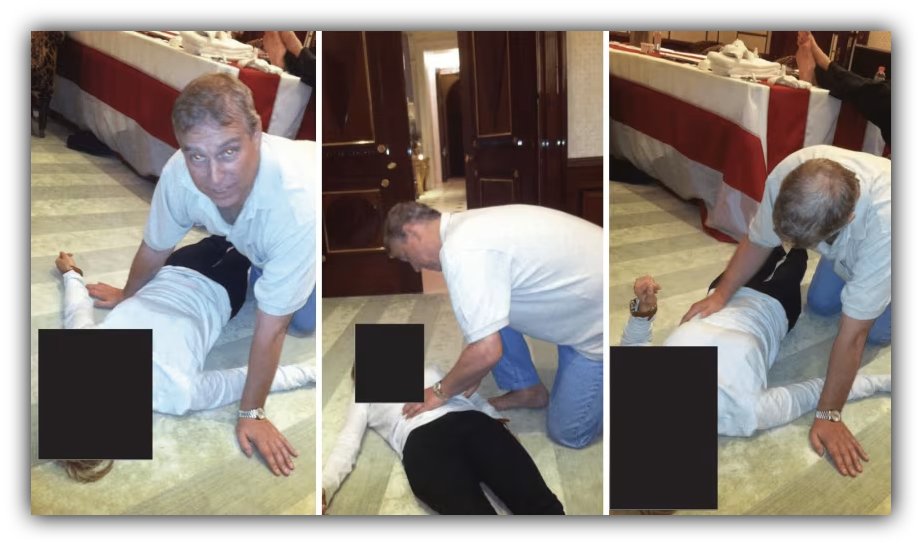
Newly released materials from the U.S. Department of Justice related to Epstein have intensified public and parliamentary interest in Mountbatten-Windsor’s past dealings. Authorities have not publicly detailed the specific evidence underlying the current misconduct investigation.
What Is “Misconduct in Public Office”?
Misconduct in public office is a serious common law offense in the United Kingdom. It applies when a public official willfully neglects to perform their duty or willfully abuses their position in a way that amounts to an abuse of the public’s trust.
If convicted, the maximum sentence is life imprisonment. Actual sentences vary widely depending on the gravity of the misconduct and the harm caused.
Prosecutors must demonstrate that:
• The accused was a public officer
• They willfully neglected or misconducted themselves
• The misconduct amounted to an abuse of the public’s trust
• The conduct was serious enough to warrant criminal punishment
If Mountbatten-Windsor is charged, the Crown Prosecution Service would determine whether there is sufficient evidence and whether prosecution is in the public interest.
Statement from the King
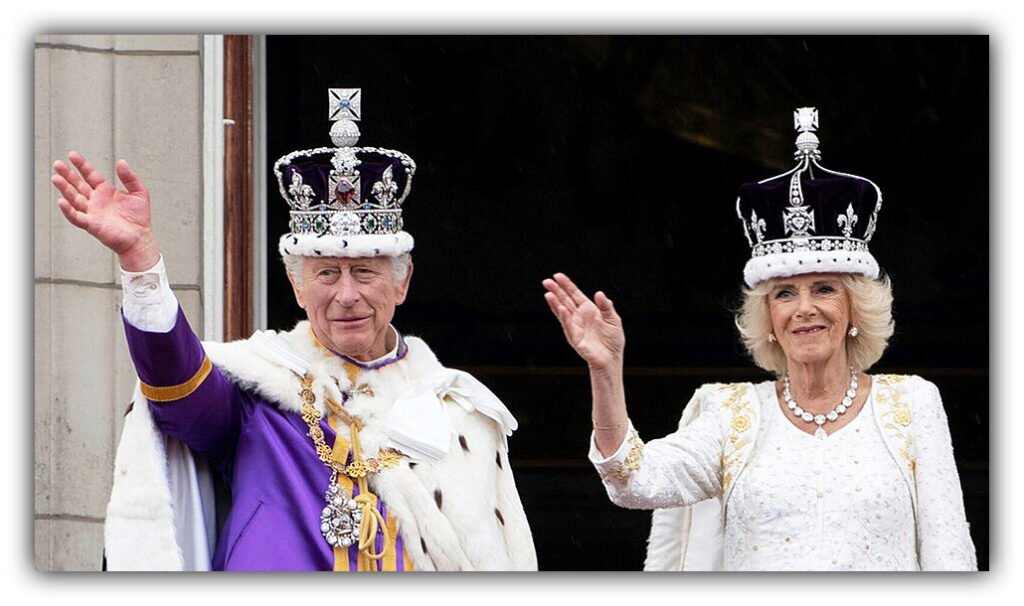
King Charles III issued a statement on the Royal Family website:
“I have learned with the deepest concern the news about Andrew Mountbatten-Windsor and suspicion of misconduct in public office. What now follows is the full, fair and proper process by which this issue is investigated in the appropriate manner and by the appropriate authorities. In this, as I have said before, they have our full and wholehearted support and co-operation.
Let me state clearly: the law must take its course.
As this process continues, it would not be right for me to comment further on this matter. Meanwhile, my family and I will continue in our duty and service to you all.
Charles R.”
As of this publication, there has been no public statement from Mountbatten-Windsor or from any confirmed legal representative. Authorities have not indicated whether he has been formally charged.
What Happens Next
Police now face a critical legal deadline. Under the Police and Criminal Evidence Act 1984, a suspect may initially be held for 24 hours without charge. That period can be extended to 36 hours with senior authorization in serious cases, and up to a maximum of 96 hours with approval from a magistrates’ court. Within that four-day window from the time of arrest, investigators must either charge Mountbatten-Windsor, release him without charge, or release him on bail pending further investigation.

In modern British history, there is no recent precedent for a senior royal being arrested for alleged criminal misconduct. While distant or minor members of the extended royal family have occasionally faced legal scrutiny, those cases were either settled privately or involved minor offenses, and none resulted in formal arrest and custody. The arrest of Andrew Mountbatten‑Windsor, a son of a former monarch and brother to the reigning king, is therefore widely regarded as unprecedented, drawing intense attention both nationally and internationally.
Given the constitutional sensitivity of the case and the global attention surrounding it, any charging decision is expected to be scrutinized intensely in Britain and abroad.