
By Gina Hill | Alaska Headline Living | March 2026
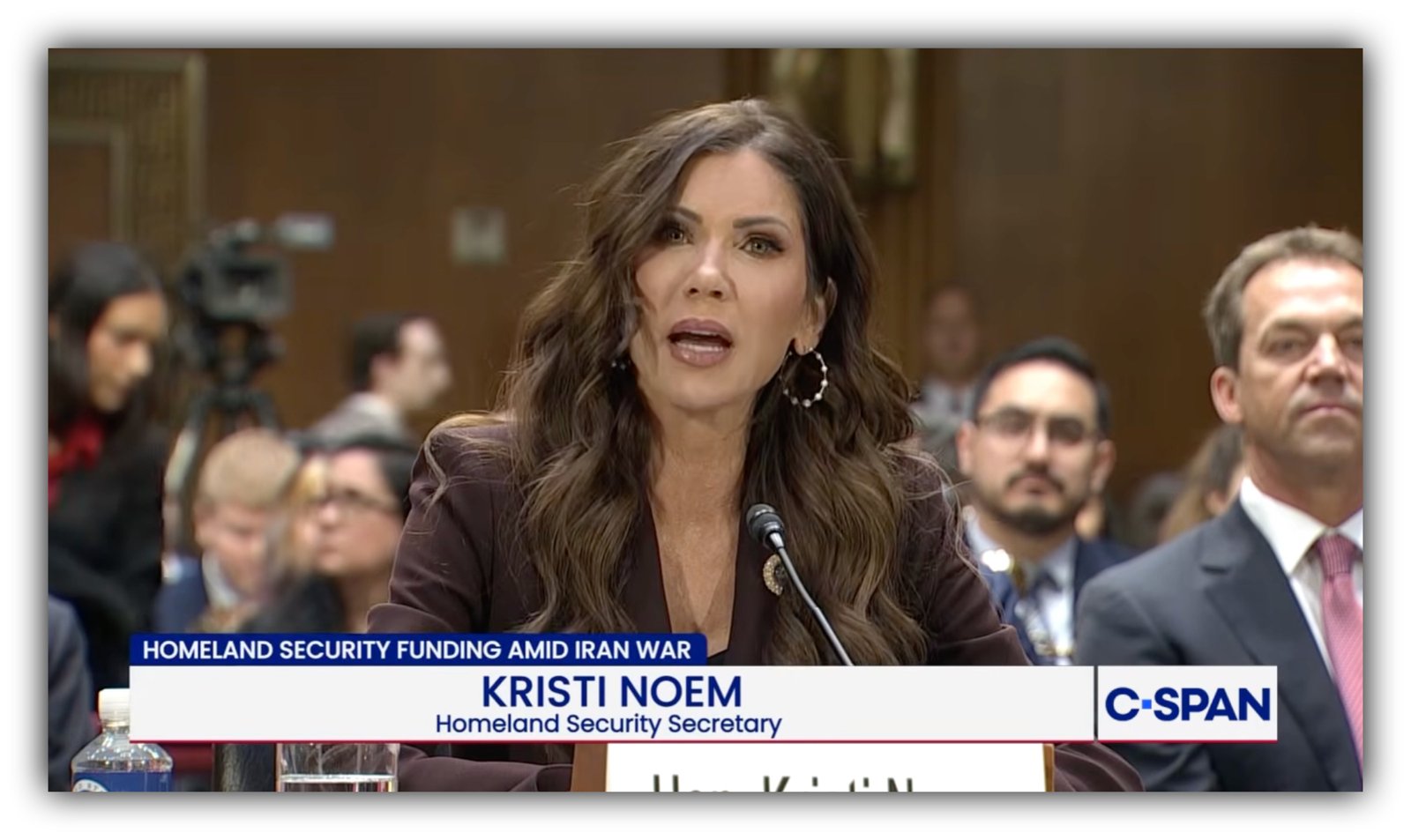
Homeland Security Secretary Kristi Noem is facing congressional questioning today as immigration enforcement policy, local policing cooperation, and federal training standards came under renewed scrutiny. The hearing comes at a time when the U.S. Department of Homeland Security is pushing expanded immigration operations while navigating budget pressure and public accountability concerns.
At the center of the conversation is the quiet but growing friction between federal enforcement agencies and local police departments across the United States.
Watch the video below as Kristi Noem is sworn in by Sen. Richard Durbin during the congressional hearing, where protesters were escorted from the chamber before her opening statement.
Courtesy: C-SPAN
Local Police Caught Between Federal Policy and Community Expectations
As federal immigration enforcement expands, many municipal law enforcement agencies are finding themselves navigating a complicated middle ground.
Some cities are tightening limits on cooperation with federal immigration officers, while others are entering agreements that allow local officers to assist with immigration enforcement under programs often associated with the U.S. Immigration and Customs Enforcement.
These agreements, sometimes called 287(g) partnerships, have grown steadily in recent years. Advocates argue they help remove dangerous criminals from communities. Critics say they blur the line between local policing and federal immigration policy.
Public safety leaders in several jurisdictions have reported that immigration enforcement expectations are placing additional pressure on already stretched departments. In some cities, officers say community trust can suffer when routine police interactions are perceived as connected to deportation enforcement.
The issue is particularly sensitive in regions with large immigrant populations, including parts of Minnesota, where state prosecutors are investigating incidents involving federal officers during enforcement operations.
The situation reflects a broader national debate that has been reported by outlets such as The Washington Post and Associated Press, though it has received relatively little sustained mainstream coverage outside major policy stories.
ICE Training Cuts Become New Point of Contention

Courtesy: U.S. Immigration and Customs Enforcement / Official training release materials.
More attention is now being drawn to internal training changes within immigration enforcement agencies.
Investigative reporting indicates that academy training for new officers at U.S. Immigration and Customs Enforcement was reduced by more than 40 percent in 2025 compared with earlier standards.
According to records reviewed in investigations by the Washington Post, basic training programs were shortened from roughly 72 days to about 42 days.
The reductions affected several training components including scenario-based decision making, legal instruction, firearms safety practice, and physical conditioning exercises.
Former instructors and whistleblowers have raised concerns that shortened hands-on training could increase the risk of judgment errors during high-stress encounters. Some critics argue that when enforcement authority expands, professional preparation should expand as well.
The Department of Homeland Security has said changes were part of broader operational restructuring and does not agree that the adjustments lowered overall readiness. Officials maintain that modernized training models and field experience help compensate for shorter academy programs.
Still, policy analysts warn that rapid expansion of enforcement activity without matching investment in officer preparation can create long-term institutional risks. These include legal liability exposure, inconsistent field decisions, and increased community conflict during enforcement actions.
For more information on training standards and operational guidance, see the official handbook from U.S. Immigration and Customs Enforcement HERE.
Legal and Oversight Questions Continue
Recent developments have also included investigations in which state authorities are exploring whether federal officers should face charges related to enforcement incidents.
According to reporting from the Associated Press, prosecutors in Minnesota are examining cases that could lead to legal action if evidence supports allegations of misconduct during operations.

Courtesy: Associated Press
Federal agencies generally retain broad protections under federal authority, making such cases legally complex and often difficult to resolve quickly.
What’s Really at Stake
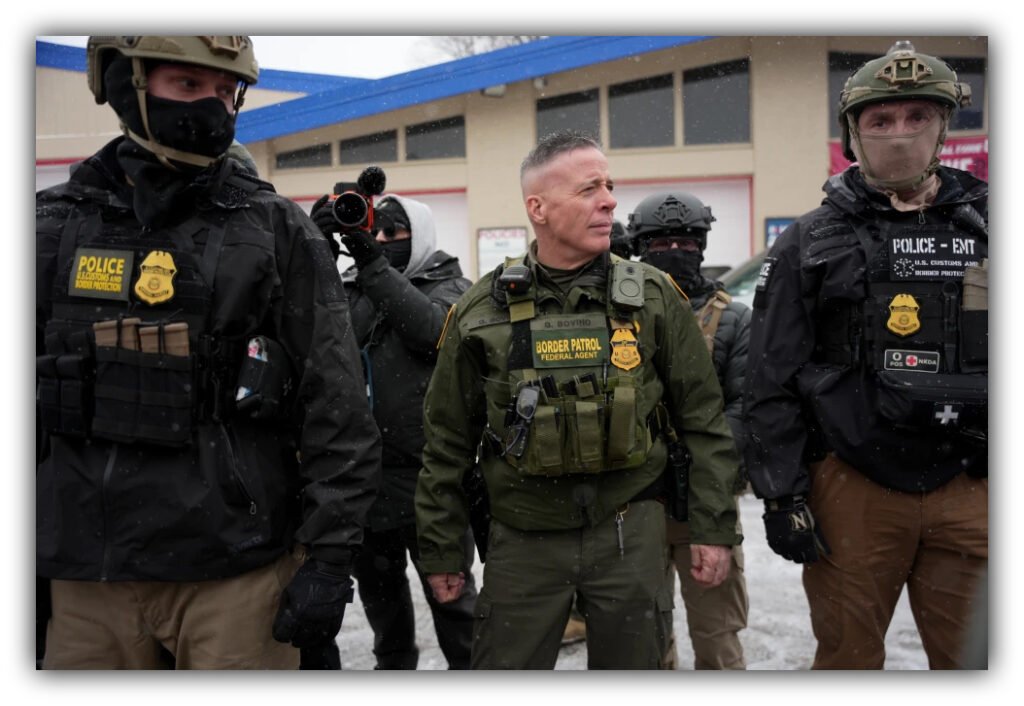
Courtesy: Associated Press / Angelina Katsanis (File)
Immigration enforcement is expanding at the same time local police departments are being drawn deeper into federal policy execution. At the center of the debate is a simple but difficult challenge: how to maintain effective enforcement while preserving training quality, legal safeguards, and community trust.
Public safety leaders say the issue goes beyond immigration itself. Modern policing is being tested by competing pressures to act quickly, follow evolving legal guidance, and remain accountable to the communities officers serve.
Much of this policy shift is unfolding quietly. The broader public may not notice the structural changes unless enforcement operations, court challenges, or congressional oversight hearings bring the discussion back into the spotlight.
Lawmakers are now weighing how rapidly immigration enforcement should grow and whether officer preparation, operational oversight, and local coordination are keeping pace with the expansion.