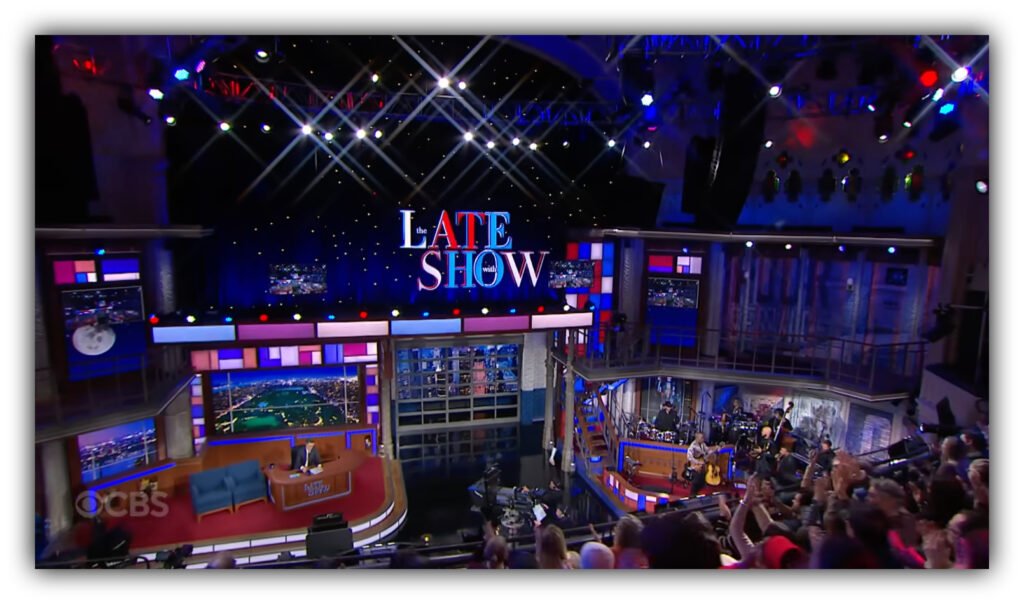
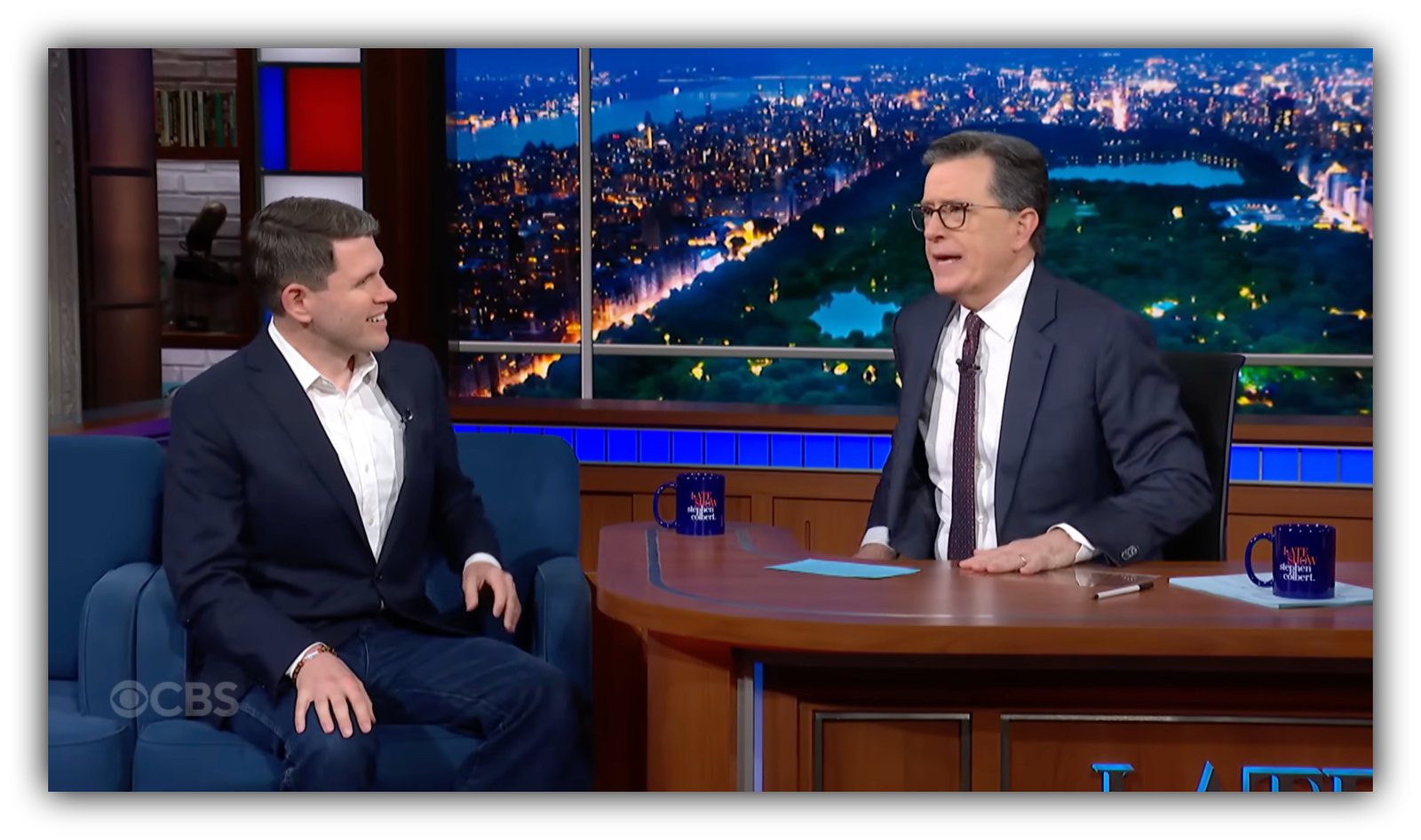
Stephen Colbert hosts Texas Rep. James Talarico on The Late Show for an online-only interview on his Senate campaign, media consolidation, culture wars in Texas, and church-state issues. Photo courtesy of The Late Show, CBS.
By Gina Hill | Alaska Headline Living | February 2026
CBS made headlines this week for two very different but notable developments, highlighting the network’s heightened caution and ongoing personnel changes.
On Monday night, Stephen Colbert’s scheduled interview with Texas Senate candidate James Talarico was pulled from broadcast by CBS lawyers. The network cited concerns about Federal Communications Commission (FCC) equal-time rules, which require broadcast outlets to provide comparable opportunities to all legally qualified candidates if one is given air time. While The Late Show with Stephen Colbert is classified as entertainment and political satire, historically considered exempt from strict equal-time obligations, recent statements and guidance from FCC Chair Brendan Carr, a Trump appointee since 2017, appear to have prompted the network to err on the side of caution. Colbert ultimately released the interview on The Late Show’s YouTube channel, allowing viewers to watch it online without risking potential FCC liability.
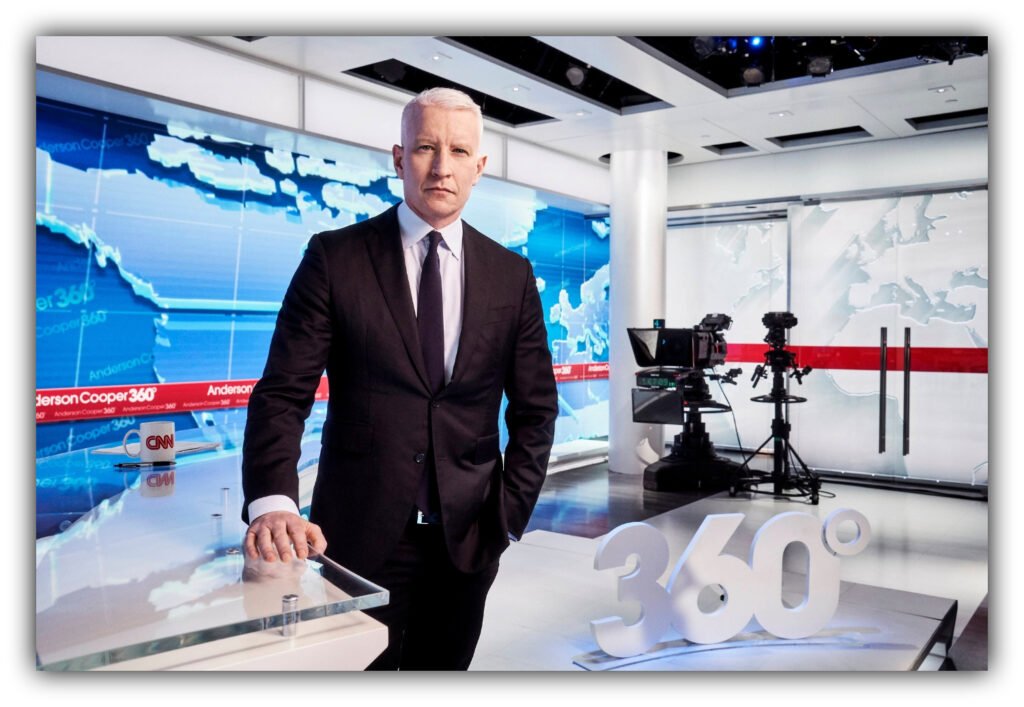
In a separate development, veteran journalist Anderson Cooper announced he will not renew his contract with CBS News and will depart from the long-running newsmagazine 60 Minutes after nearly 20 years as a correspondent. Cooper, who continues to anchor CNN’s “Anderson Cooper 360°”, cited the desire to focus on his primary role at CNN and spend more time with his young children. His departure comes amid broader changes at CBS News under editor-in-chief Bari Weiss, reflecting a period of transition and internal restructuring. Cooper is expected to remain on 60 Minutes through the current season, which runs into the spring, but will not return for the next season.
Taken together, the Colbert incident and Cooper’s exit illustrate the evolving landscape at CBS, where legal caution around political content intersects with personnel shifts, and both regulatory pressures and individual career decisions shape the network’s on-air lineup.
👉🏿 Understanding FCC “Equal Time” Rules
- What it is: The FCC requires broadcast stations to give legally qualified candidates for the same office comparable opportunities if one candidate is given air time.
- Who it applies to: Traditionally, the rules cover news programs, public affairs shows, and debates. The law exists to prevent a station from favoring one candidate over another.
- Why it matters for entertainment shows: Late-night and daytime talk shows like The Late Show with Stephen Colbert or Jimmy Fallon are entertainment programs, not news. Historically, the FCC has treated candidate appearances on these shows as exempt from strict equal-time obligations.
- What’s changed: Recent FCC guidance, particularly from Chair Brendan Carr, has made networks more cautious, warning that even comedy or satire programs could trigger a complaint if only one candidate from a race appears.
- The practical effect: Networks, including CBS, may pull or restrict candidate appearances on broadcast shows to avoid legal risk, even when the show is satire. Posting interviews online, outside the broadcast signal, is a common workaround.
- In Colbert’s case: CBS lawyers blocked the James Talarico interview from airing on TV but allowed Colbert to post it online, keeping viewers informed while avoiding FCC exposure.
Even satire shows like Colbert’s Late Show aren’t completely exempt from FCC equal-time rules, and CBS is clearly weighing legal risk alongside audience access. Posting the Talarico interview online and managing Cooper’s departure show how networks are navigating a media landscape where law, politics, and entertainment intersect.