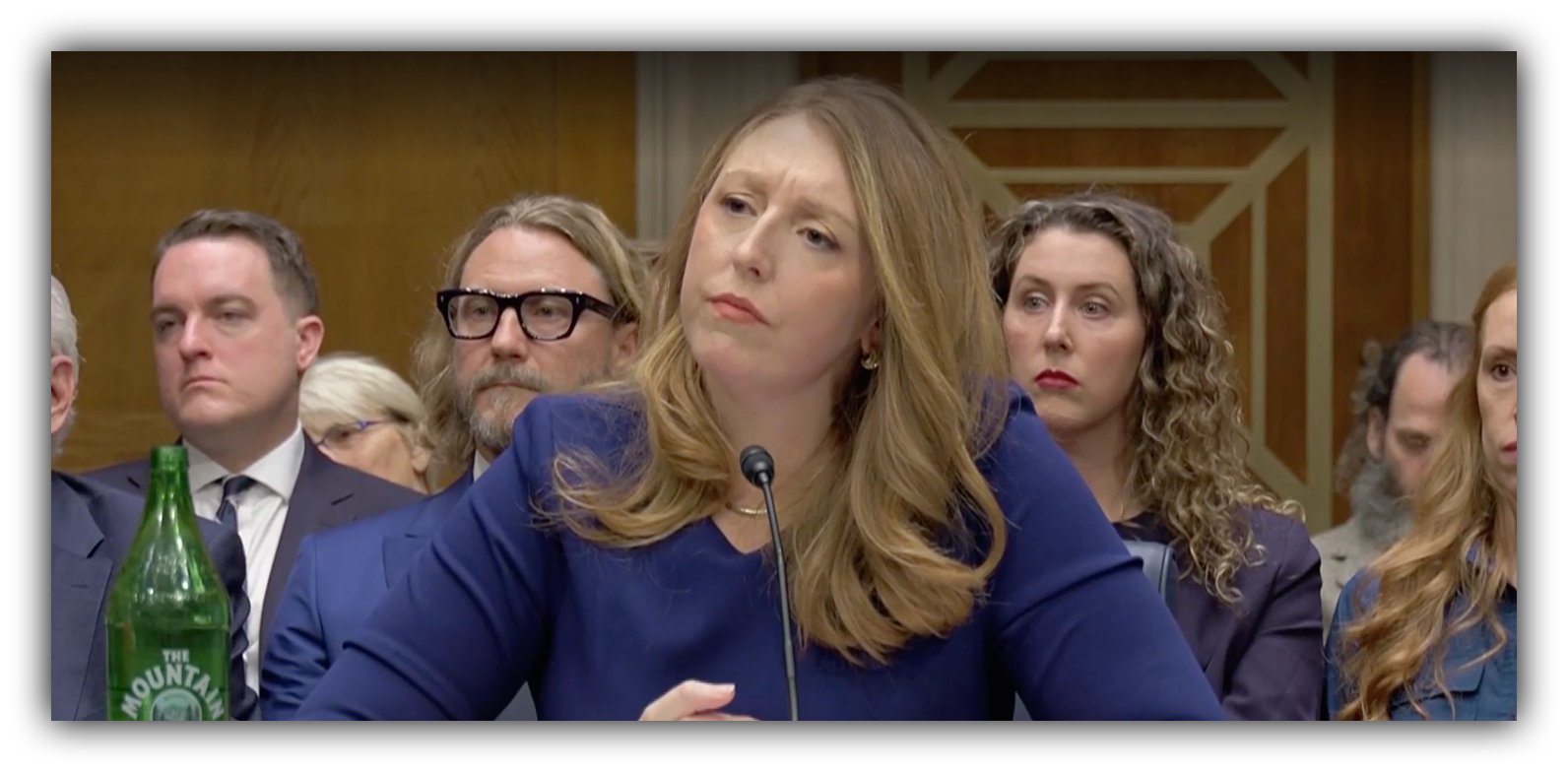
Feb. 25, 2026, Washington, D.C. – Surgeon General nominee Casey Means listens as Lisa Murkowski emphasizes the impact of childhood Hepatitis B vaccination efforts in Alaska during a Senate hearing. Photo courtesy Yahoo News.
Alaskans know Hepatitis B’s brutal toll all too well. Especially in our remote Native villages, where it once ravaged kids through household close calls, bug bites, and cuts, not just sex or drugs as some claim. For decades, that birth-dose vaccine turned the tide, slashing child liver cancer and disease by 99% in places like Western Alaska. Sen. Lisa Murkowski just hammered this home in yesterday’s hearing, schooling President Trump’s Surgeon General pick, Casey Means, on our hard-won win.
What Happens Without It?
Skip the newborn shot, and risks explode: 90% of infected infants go chronic, silently brewing cirrhosis, liver failure, or cancer, killing 1 in 4 down the line. Alaska’s story proves it: pre-vaccine epidemics hit our kids hardest via everyday contact, overwhelming clinics until universal jabs fixed it. Means questions routine dosing, pushing “doctor chats” over mandates. Fine in theory, but delays in bush Alaska could spark resurgence.
Murkowski Draws the Line
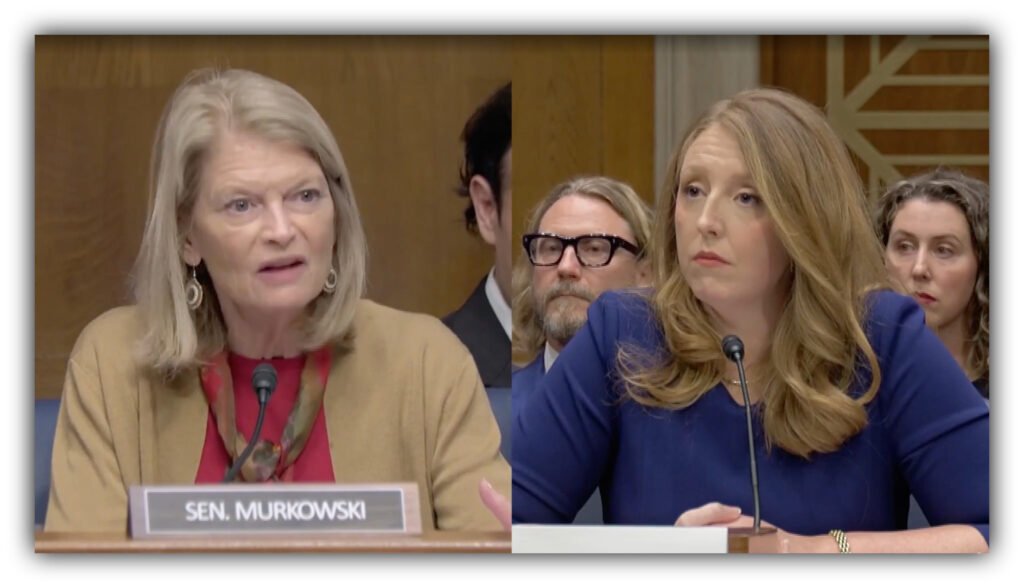
In a fiery exchange, Lisa Murkowski cited Alaska’s pilot programs that vaccinate remote babies on schedule, crediting them with helping end what she described as a public health crisis. Casey Means acknowledged the benefits of vaccines but stressed shared medical decision-making, without directly addressing why Alaska’s model prioritizes the hepatitis B birth dose.
Under the new guidance from the U.S. Department of Health and Human Services, only a narrower set of vaccines, such as measles-mumps-rubella, polio, DTaP, and a reduced-dose HPV series, remain universally recommended for all children. Other vaccines are now suggested based on individual risk factors or doctor-patient discussions rather than being automatically recommended for every child.
With HHS already easing some universal vaccination recommendations, the policy debate surrounding Means’ nomination may carry particular significance in Alaska, where rural access, early prevention, and community transmission history continue to shape public health decisions