
Greenland, Tariffs, and the High Stakes Arctic Showdown
By Gina Hill | Alaska Headline Living | January 2026
Alaska suddenly finds itself uncomfortably close to the center of a growing international standoff after President Donald Trump announced sweeping new tariffs tied directly to a demand for the “complete and total purchase of Greenland.”
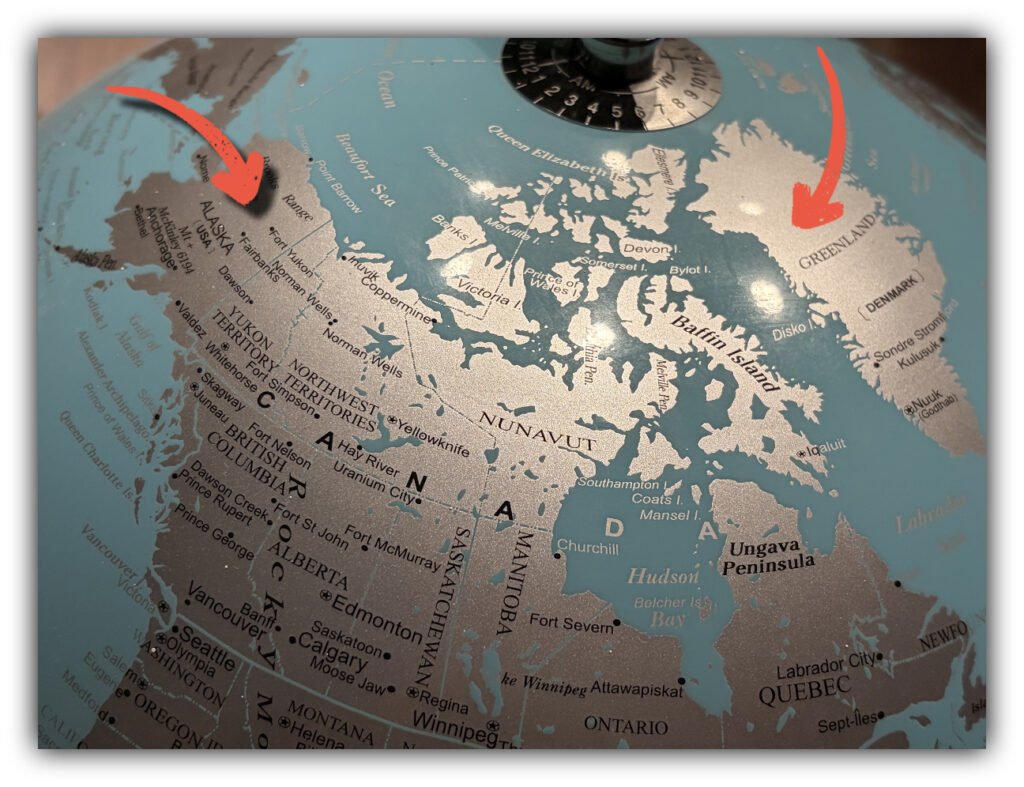
In a lengthy statement, Trump declared that beginning February 1, 2026, the United States will impose a 10 percent tariff on goods from Denmark and several European allies, escalating to 25 percent by June unless negotiations begin over Greenland’s transfer to U.S. control. He framed the move as a national security imperative, arguing that modern missile defense systems and Arctic geography make Greenland essential to the protection of the United States and its allies.
Alaska’s senior U.S. senator, Lisa Murkowski, did not mince words in her response.
“These tariffs are unnecessary, punitive, and a profound mistake,” Murkowski said, warning that the move risks fracturing America’s closest alliances while strengthening Russia’s hand in the Arctic. She emphasized that NATO partners are already being forced to divert attention and resources toward Greenland, destabilizing what she described as the strongest democratic coalition the world has ever known.

For Alaskans, the implications are not theoretical. The Arctic has long been a strategic crossroads, and Alaska’s proximity to Russia, role in missile defense, and economic reliance on international trade make the state particularly sensitive to shifts in Arctic policy. Murkowski noted that weaponizing tariffs in this way undermines American leadership and bypasses Congress’s constitutional authority over trade.
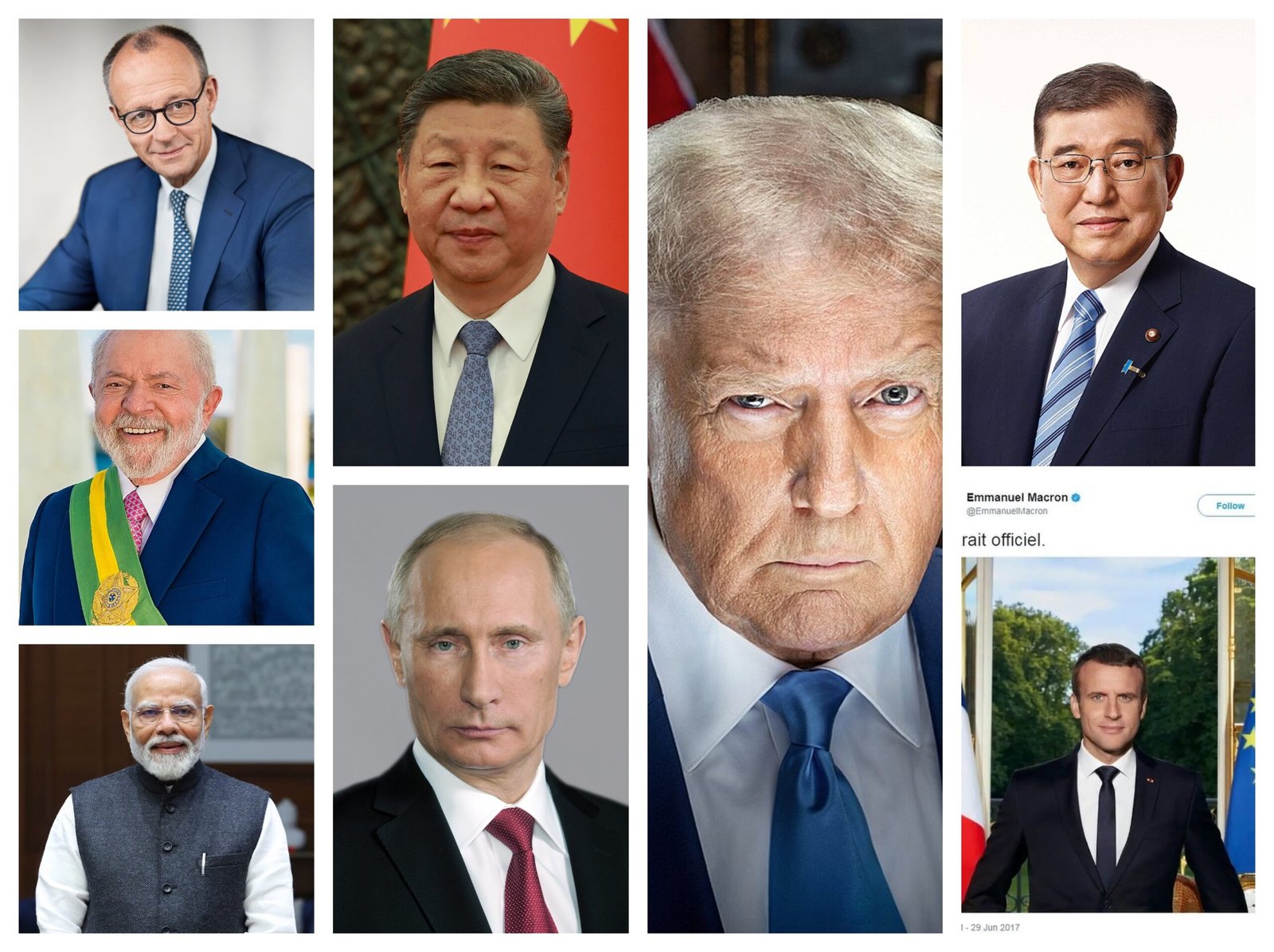
Trump’s statement paints Greenland as a vulnerable prize, claiming China and Russia are actively seeking influence there and asserting that Denmark lacks the ability to defend it. He argued that only the United States can secure the territory and maintain global stability, linking Greenland directly to the effectiveness of advanced defense systems sometimes referred to as “The Golden Dome.”

The rhetoric has raised eyebrows across Europe and within Washington, especially as the president singled out longtime allies including Denmark, Norway, Sweden, France, Germany, the United Kingdom, the Netherlands, and Finland. Trump accused these nations of creating a “dangerous situation” by traveling to Greenland, though he did not specify their purpose.

Murkowski countered that the approach plays directly into Vladimir Putin’s strategic interests by sowing division among NATO partners and shifting focus away from collective defense. She called on Congress to reassert its authority over tariffs to prevent trade policy from being used as a blunt instrument in foreign policy disputes.

For Alaska, this moment underscores a familiar reality. Decisions made thousands of miles away about Arctic security, trade, and diplomacy often ripple first through the Last Frontier. As tensions rise over Greenland, Alaskans may once again find themselves watching global power politics unfold just beyond their horizon, with real consequences for the state’s economy, security, and role in the Arctic future. Stay tuned.