



APD Update: Fatal Pedestrian Crash on Glenn Hwy at Boniface
By Gina Hill | Alaska Headline Living May 27, 2026
Anchorage Police Department has released new information following the earlier closure of the southbound Glenn Highway at Boniface.
On May 26, 2026, at about 8:48 a.m., APD responded to a report of a pedestrian struck by vehicles on the Glenn Highway near Boniface Parkway. The pedestrian, an adult male, was pronounced deceased at the scene.
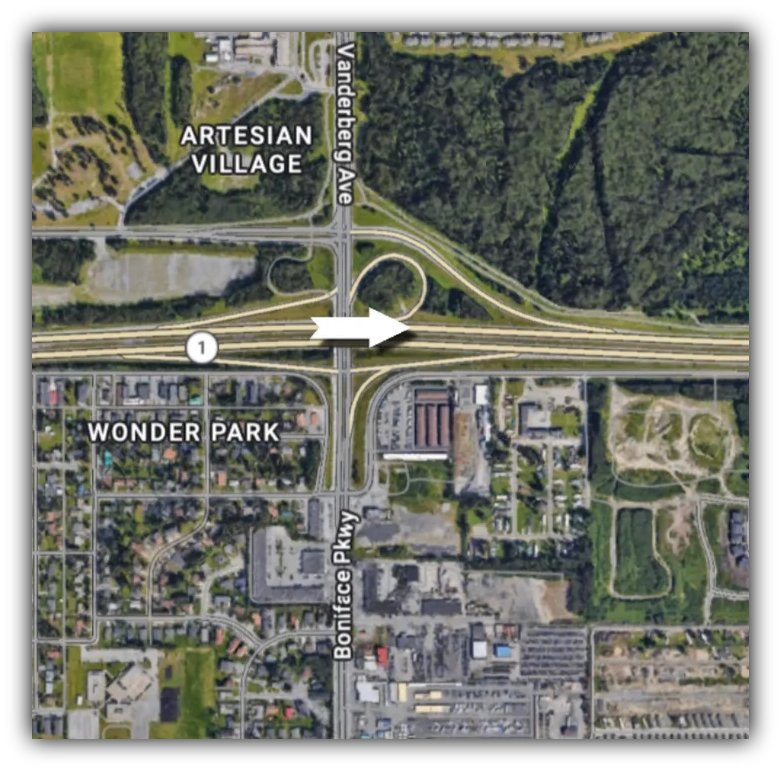
Investigators determined the man was crossing the highway when he was struck by a 2014 Chevrolet Express van, and then struck again by a second vehicle, a 2009 Chevrolet Express van. Both drivers remained on scene and fully cooperated with investigators. No citations or charges have been issued at this time. The case is being investigated by APD’s Major Collision Investigation Unit (MCIU). The pedestrian’s identity will be released after next-of-kin notifications are complete.
APD Event: E2605260188
A Deadly Stretch of Roadway in a Growing Pattern
This crash adds to a long-running safety concern along Anchorage’s major arterial corridors, especially the Glenn Highway near Boniface, Muldoon, and surrounding interchange zones where high speeds and pedestrian crossings intersect.
A recent Alaska Department of Health Epidemiology bulletin found 92 pedestrian deaths in Anchorage from 2016 through 2025, with fatalities increasing sharply in 2024 and 2025, which tied for the highest annual totals in the decade.
The data shows a consistent pattern:
- Fatalities are heavily concentrated on major roads like the Glenn Highway corridor, Midtown, and East Downtown
- Risk spikes in low-light conditions, especially late evening and early morning hours in fall months
- Speed is a critical factor, with research showing a pedestrian struck at higher speeds has dramatically lower survival odds
- Impairment and distracted driving are recurring factors in both driver and pedestrian involvement in fatal crashes
Public safety analyses also note that corridors like the Glenn Highway function more like high-speed arterials than urban streets, with limited safe crossing points and long distances between controlled intersections. That design increases exposure risk, especially near ramps and interchange crossings like Boniface.
Why This Keeps Happening in Anchorage
Across a decade of data and municipal traffic reporting, several consistent contributing factors have been identified:
- High-speed roadway design through urban areas
- Limited pedestrian crossing infrastructure along major corridors
- Reduced visibility during seasonal light changes, especially August through October
- Substance impairment among both drivers and pedestrians in a significant share of fatal cases
- A substantial number of hit-and-run or scene-leaving incidents, complicating investigations and prevention efforts
Public health officials and transportation experts have repeatedly pointed to a combination of road design, driver behavior, and speed as key drivers behind Anchorage’s elevated pedestrian fatality rate.
This is not an isolated incident on the Glenn Highway. It is part of a documented, long-term pattern of pedestrian fatalities concentrated on Anchorage’s fastest and most heavily traveled corridors.
The investigation remains ongoing.
What do you feel about this post?

Like

Love

Happy

Haha

Sad