





Fairbanks Overdose Leaves 2 Dead, 3 Hospitalized
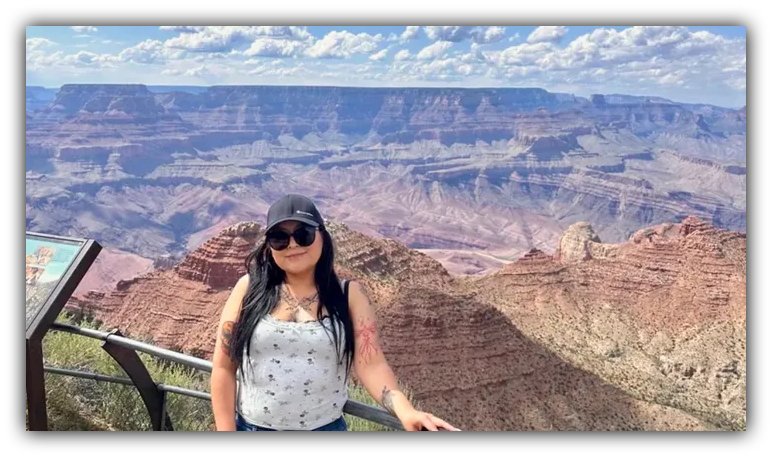
Tasheena Waters, pictured at the Grand Canyon in a family-provided photo, died in a Fairbanks overdose incident on May 21, 2026, that also left three others hospitalized. Her family says Waters was originally from Arizona and leaves behind three daughters. Photo provided by Malcolm Peters
Cluster overdose under investigation as Alaska continues to face fentanyl-driven deaths statewide.
By Gina Hill | Alaska Headline Living | May 22, 2026
What started as a medical emergency call in Fairbanks turned into a deadly overdose scene that left two people dead and three others fighting to survive.
Alaska State Troopers say emergency crews were called to a residence around 10:07 a.m. on May 21 after multiple adults were reported suffering overdose symptoms. University Fire Department EMS responded and provided lifesaving care at the scene before transporting three adults to a Fairbanks-area hospital.
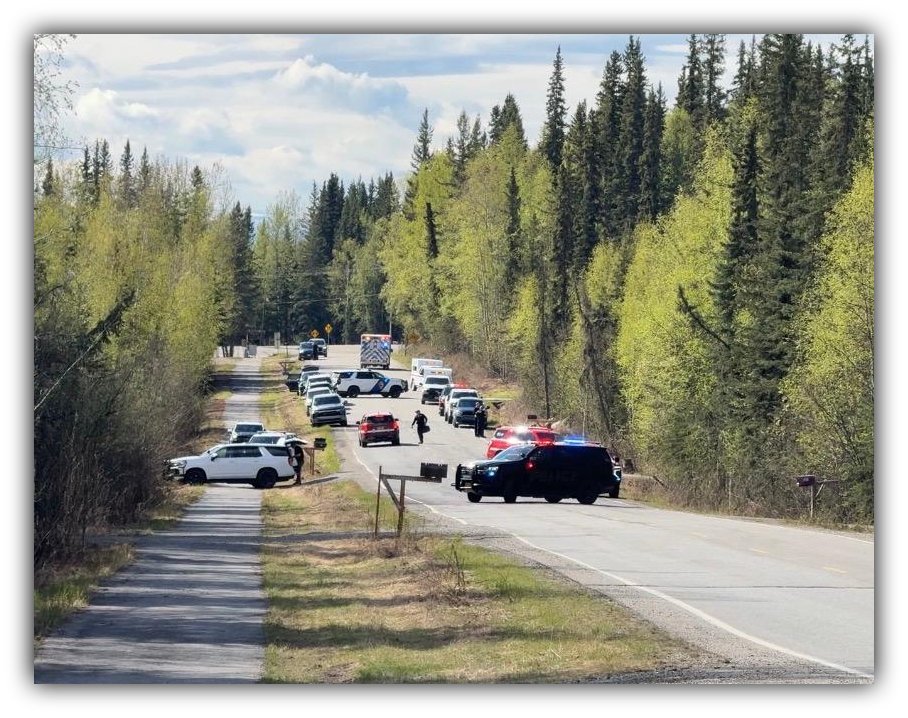
Troopers identified the deceased as 35-year-old Tasheena Waters and 32-year-old Bennett Madros, both of Fairbanks. Authorities have not released the conditions of the surviving patients, and investigators have not yet said what substances were involved.
Right now, investigators are still waiting on toxicology results from the State Medical Examiner’s Office. Officials also have not confirmed whether everyone was exposed to the same drug supply.
The incident comes as Alaska continues battling a fentanyl-driven overdose crisis that has touched communities across the state, from Anchorage to rural Alaska to the Interior.
State health data shows fentanyl remains involved in the majority of opioid overdose deaths in Alaska. While overdose deaths saw a slight decline last year compared to record highs, public health officials warn the danger has not gone away. In many cases, people do not even realize fentanyl is present in what they are taking.
Health experts continue warning that fentanyl is increasingly showing up in counterfeit pills and other illicit drugs, sometimes without the user’s knowledge. According to Poison Control, fentanyl can stop a person’s breathing within minutes, but rapid administration of naloxone, commonly known as Narcan, can reverse an overdose if given in time.
Overdose clusters involving multiple people have become increasingly common nationwide as synthetic opioids spread through the illicit drug supply. Officials have not yet linked the Fairbanks deaths to a contaminated batch or broader public safety alert, but the investigation remains active.
The bodies of Waters and Madros have been sent to the State Medical Examiner’s Office for autopsy. The investigation remains ongoing.
Donations to help bring Tasheena Waters home to Arizona and support her family can be made here at GoFundMe.com.
What do you feel about this post?

Like

Love

Happy

Haha

Sad