



Workers Over Billionaires: Alaska Joins a National May Day Push
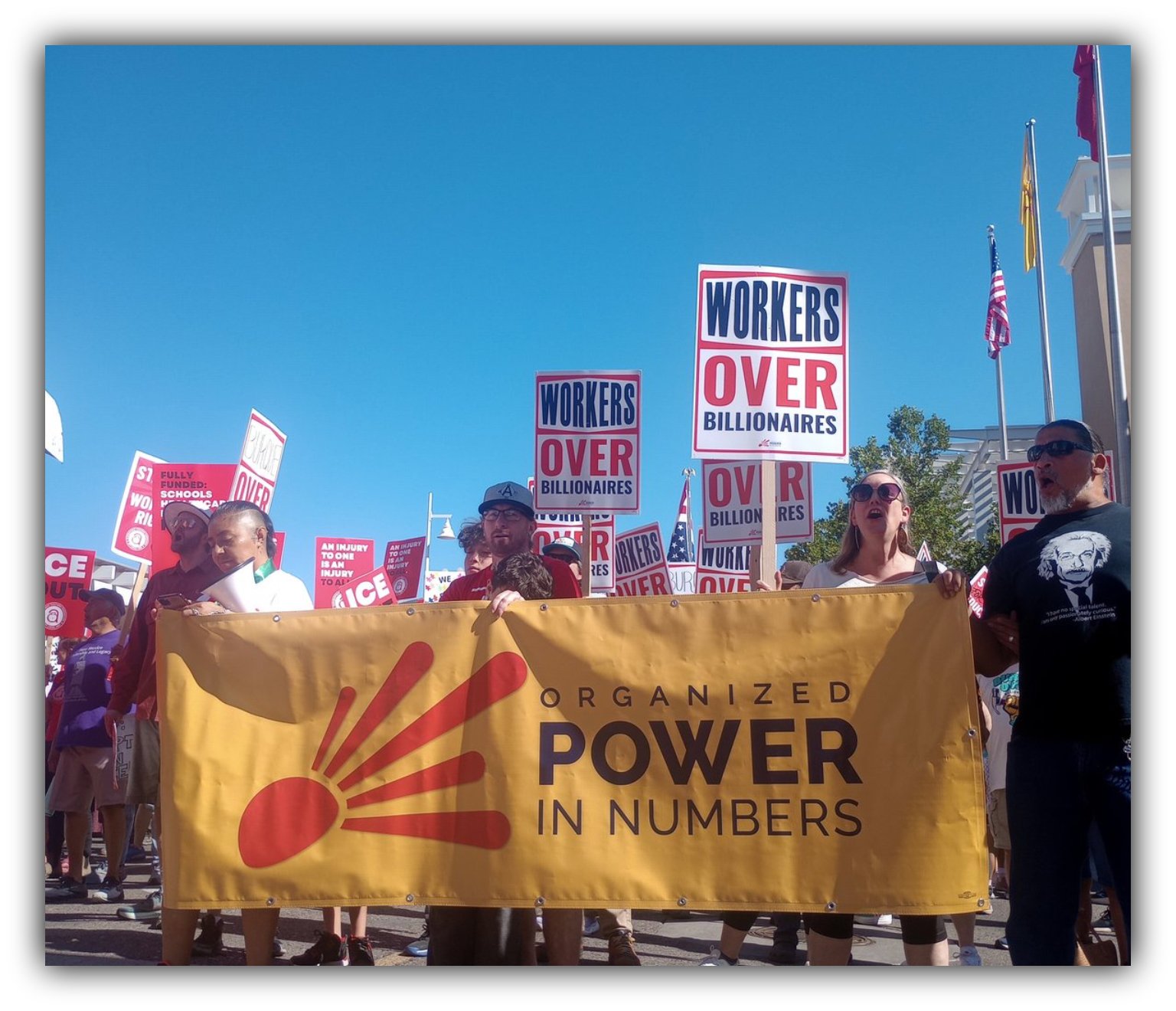
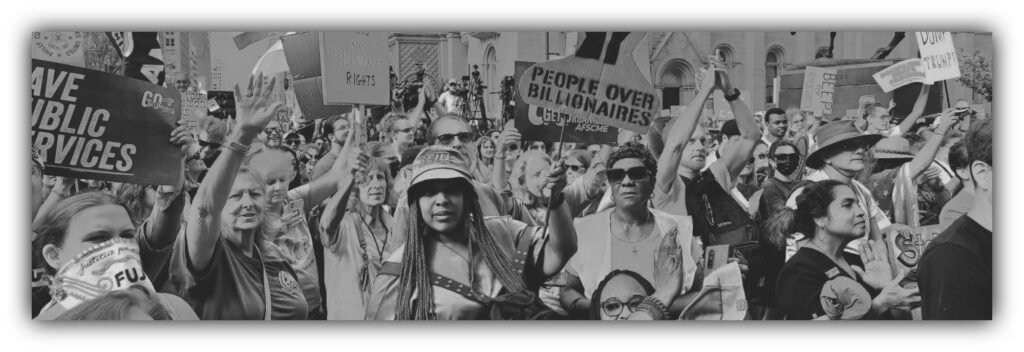
Rally participants gather under “Workers Over Billionaires” banners during a May Day Strong coalition event, part of a nationwide push calling for higher taxes on the wealthy, expanded worker power, and limits on corporate influence in government. The campaign, organized with the May Day Strong coalition, frames the movement as a collective effort to counter billionaire political power through coordinated action and public demonstrations. | 📸 Organized Power in Numbers
Two Alaska rallies tie local frustrations to a growing national worker movement.
By Gina Hill | Alaska Headline Living | April 29, 2026
From Soldotna to Juneau, Alaska organizers are plugging into a growing nationwide May Day movement that wants to turn International Workers’ Day into a loud political statement in 2026.
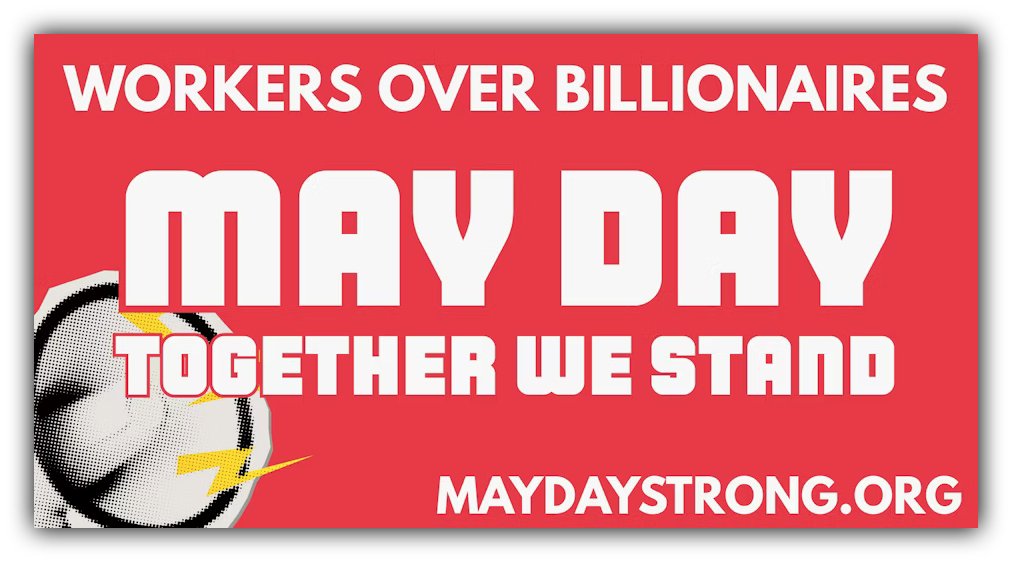
Under the banner “Workers Over Billionaires,” events scheduled for May 1 are calling for rallies, marches, and in some places economic disruption through a one-day boycott of work, school, and shopping. The organizing hub, May Day Strong, says actions are planned across the country and promotes a message centered on labor rights, anti-corporate politics, and opposition to immigration enforcement and war policy.
May 1 has deep roots in global labor history. Around the world, it is recognized as International Workers’ Day, tied to labor struggles for shorter workweeks, safer conditions, and collective bargaining. In the United States, it remains a symbolic date for unions, immigrant-rights groups, and worker coalitions.
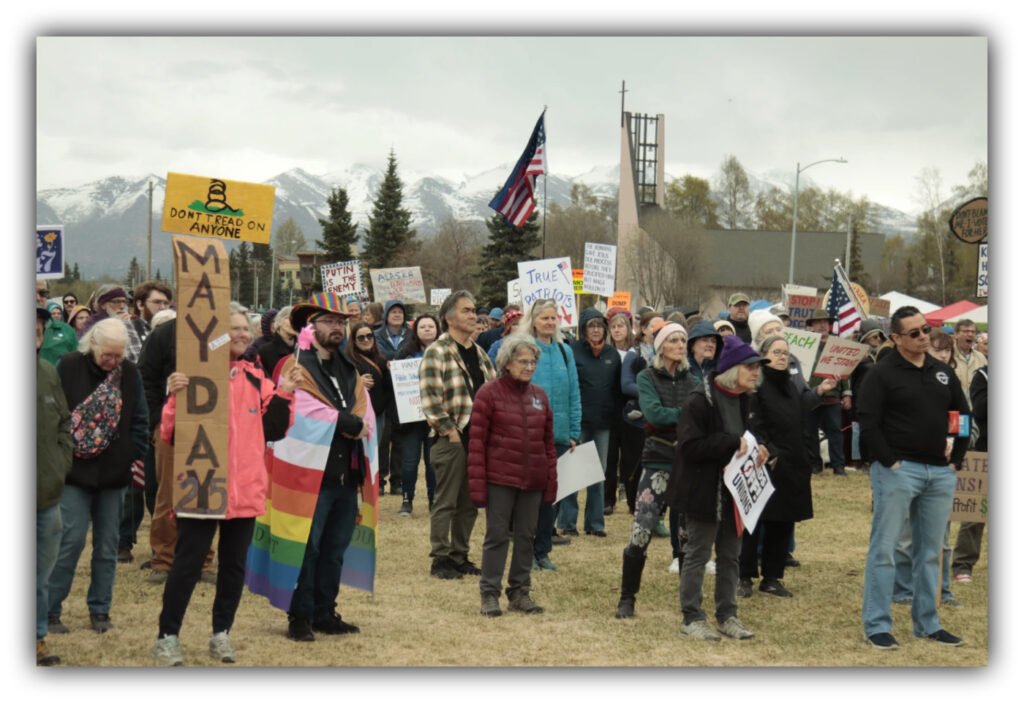
For Alaska, that means local versions of a national movement.
A Soldotna event listing calls for residents to gather under the “Together We Stand” message, while a Juneau rally hosted by Juneau for Democracy includes accessibility details such as ADA-compliant access, wheelchair ramps, flat ground, and dedicated parking. Both event pages repeat the same core demands and emphasize nonviolent participation.
The movement’s headline demands include:
- Higher taxes on the wealthy
- Expanding voting access and democratic protections
- Opposition to ICE enforcement actions
- Opposition to war and concentrated corporate power
Organizers also stress that weapons, including legally carried firearms, should not be brought to events and participants are expected to de-escalate confrontations.
Where Alaskans Can Show Up
For those looking to participate, two Alaska events are publicly listed so far:
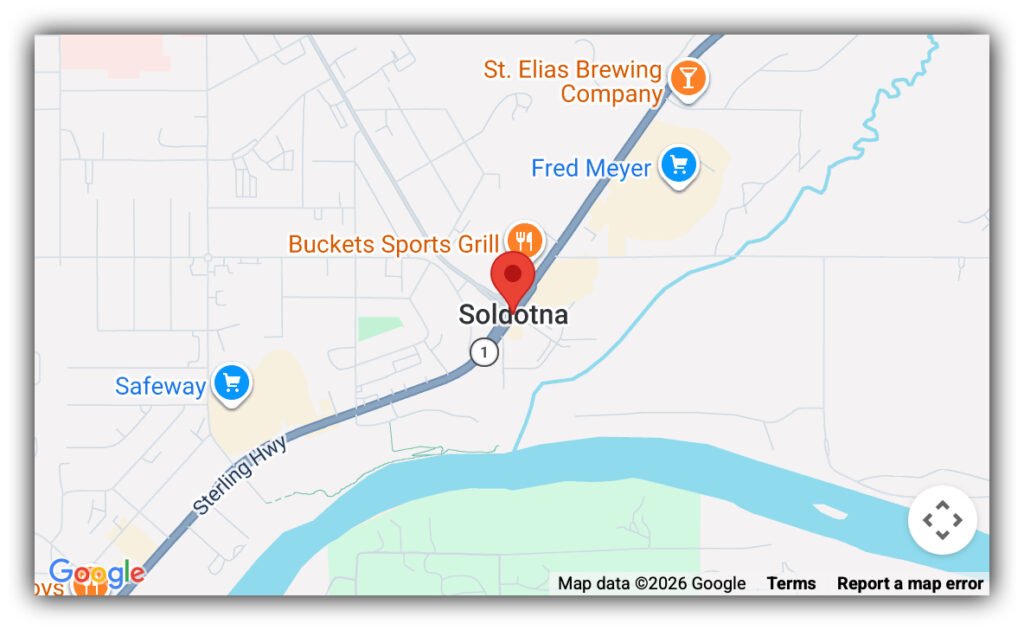
Soldotna
Friday, May 1
5 p.m. to 7 p.m. AKDT
Soldotna Creek Park
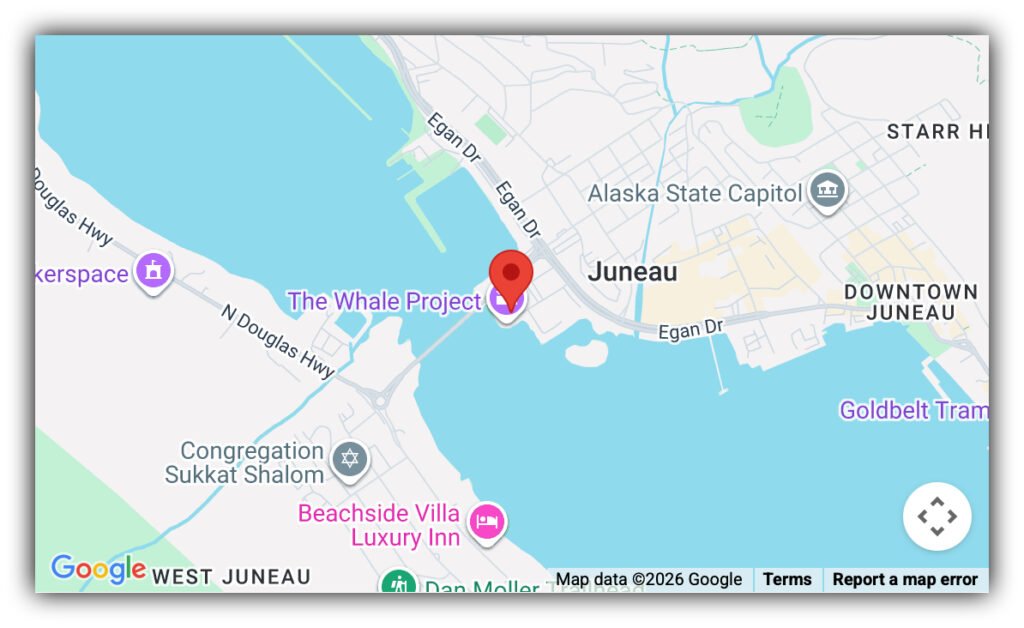
Juneau
Friday, May 1
5 p.m. AKDT
Overstreet Park near the Whale Project sculpture
Hosted by Juneau for Democracy
Organizers also encourage supporters in Anchorage, Fairbanks, Mat-Su, the Kenai Peninsula, and elsewhere to keep checking listings for added events, RSVP options, volunteer roles, and updates.
Why Alaska Participation Stands Out
Alaska’s economy depends heavily on workers in sectors where cost of living, seasonal employment, healthcare access, housing strain, and long-distance supply chains are constant realities. Those pressures can make national worker-focused messaging land differently here than in larger urban states.
In Soldotna, concerns often center on wages, healthcare, and energy costs. In Juneau, state government jobs and public policy debates shape the conversation. Same slogan, different local pressures.
What Happens Next
Whether the day becomes a major turnout or just another activist moment depends on participation. National organizers say actions are planned nationwide, but local energy usually determines whether a rally feels symbolic or significant. In some places, the impact is already tangible. Wisconsin’s Madison Metropolitan School District announced schools would close Friday because of expected staff absences tied to May Day actions, showing the movement is creating operational ripple effects beyond rallies and marches.
For Alaska, May Day 2026 may not feel distant or theoretical at all. It lands in the same places people are already feeling squeezed, paychecks that do not stretch far enough, long drives for basic services, and the constant tradeoffs that come with living in a state where everything costs more and takes longer. When national politics and worker frustration show up here, they do not arrive as headlines. They show up in who goes to a rally after work, who calls out of a shift, and who decides this is the moment to show up in person instead of watching from the sidelines.
What do you feel about this post?

Like

Love

Happy

Haha

Sad