









It Starts With ‘Hey’: Sextortion Targeting Children on the Rise
Sextortion schemes often begin online through social media, messaging apps, and gaming platforms, according to the Federal Bureau of Investigation. 📸 FBI
The FBI warns of rising online blackmail schemes targeting children across social media and gaming platforms.
By Gina Hill | Alaska Headline Living | April 21, 2026
April is Child Abuse Prevention Month. It is a reminder for adults to pay attention and speak up when something does not seem right, especially when it starts online.

This is how many sextortion cases start. A simple message. A quick chat.
The Federal Bureau of Investigation says children are being targeted on the same apps they use every day. Social media. Messaging apps. Online games. Nothing looks unusual at first.
A stranger reaches out and acts friendly. Sometimes they pretend to be another child. Sometimes they offer attention, money, or game credits. The goal is simple. Build trust.
Once that trust is in place, they ask for a photo or video. That is the turning point.
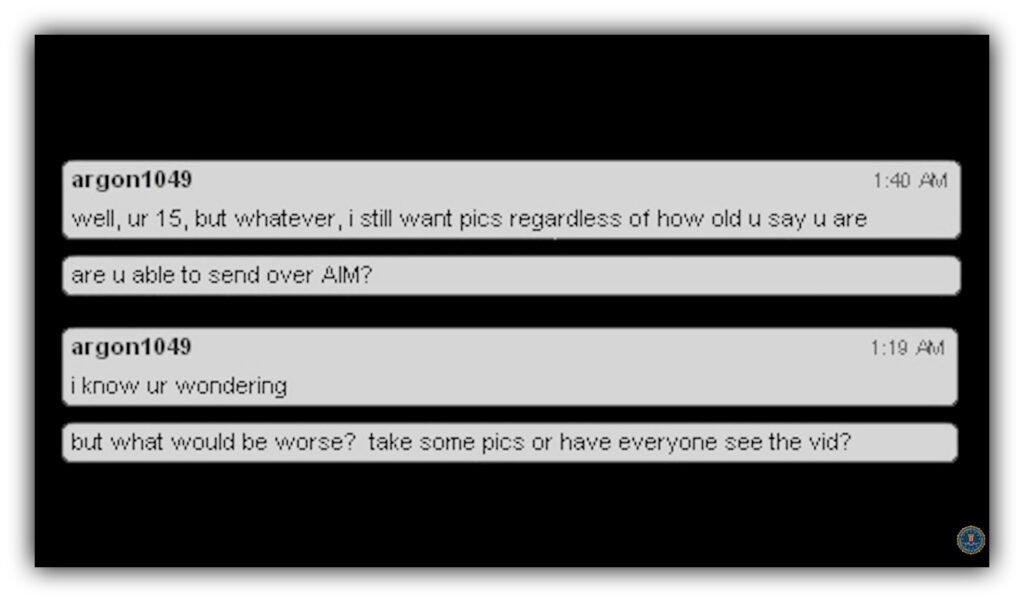
After that, the tone shifts. Requests become demands. Send more. Pay money. Keep going. Or else.
If the child refuses, the threats begin. Images may be sent to friends, family, or school contacts. The pressure becomes immediate and personal.
Payment is often demanded through gift cards, apps, or cryptocurrency. Paying does not end it. It makes the situation worse.
There is no single type of child being targeted. It affects boys and girls, strong students, quiet children, outgoing children. The only constant is internet access. The FBI has seen cases involving children as young as eight.
Most children do not tell anyone. They feel embarrassed. They worry they will get in trouble. Sometimes they are told they have done something illegal. That fear keeps them silent.
That silence is exactly what the offender relies on.
As the situation continues, the pressure does not stop. Messages keep coming. Demands keep coming. The child feels trapped, isolated, and unsure where to turn.
What Parents Should Tell Children
The FBI encourages families to be direct about online safety.
Never send private or compromising images. Do not open messages or attachments from people you do not know. Be cautious about anyone you interact with online, even if they seem friendly.
If something feels wrong, stop responding. Save the messages. Tell a trusted adult immediately.
Most importantly, children need to hear this clearly. They will not get in trouble for speaking up.
The priority is safety, not punishment. That message is often what determines whether a child stays silent or asks for help.

If Your Child Comes Forward
If a child comes forward, the response matters immediately.
👉🏿 Stay calm. Do not show anger or panic. Make it clear the child is not in trouble and did the right thing by speaking up.
👉🏿 Do not delete anything. Preserve messages, usernames, profiles, and screenshots. This evidence is important.
👉🏿 Do not engage with the offender. Do not send money or additional images. Block the account only after evidence is saved.
👉🏿 Report the situation to tips.fbi.gov or call 1-800-CALL-FBI. Also report it through the platform where it occurred.
Then focus on support. The child needs reassurance and stability, not pressure. The goal is to reduce fear and isolation so they feel safe again. 🫂

Longer term, families can tighten privacy settings, limit who can contact the child online, and set clear boundaries around social media and gaming while things stabilize.
This does not start somewhere distant. It starts on a phone, in a bedroom, in a conversation that looks harmless. At first.
April is Child Abuse Prevention Month. The message is simple. Pay attention early and step in quickly. Talk early and keep it normal. Who are they talking to online? Has anyone asked for photos? Has anything felt off? These conversations make it easier for children to speak up before fear takes over.
What do you feel about this post?

Like

Love

Happy

Haha

Sad