






New Seafood Office. Same Question for Alaska: Who Gets Paid?
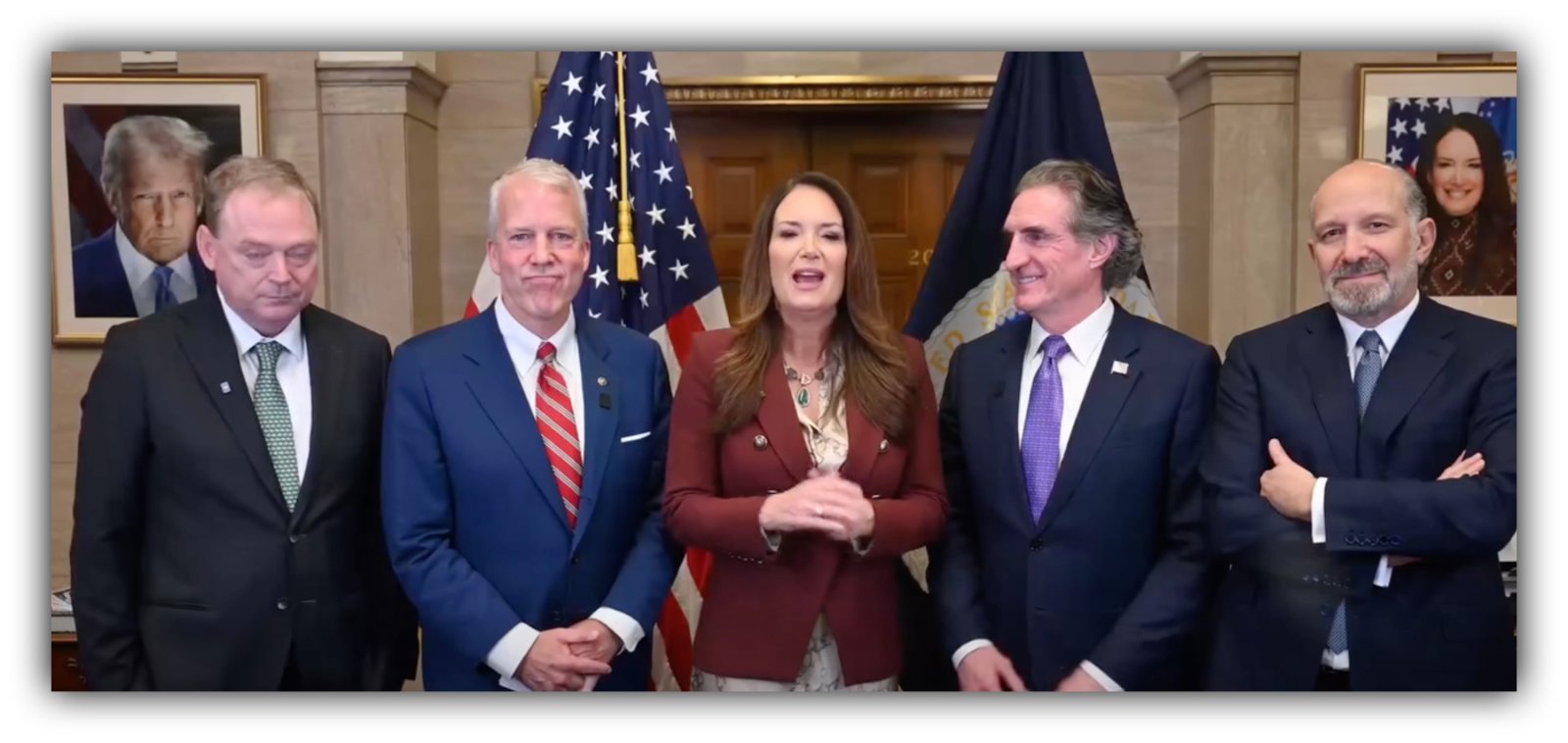
Left to right: White House National Economic Council Director Kevin Hassett, U.S. Senator Dan Sullivan of Alaska, U.S. Secretary of Agriculture Brooke Rollins, U.S. Secretary of the Interior Doug Burgum, and U.S. Secretary of Commerce Howard Lutnick, during the announcement of the new federal Office of Seafood within the U.S. Department of Agriculture. Lutnick is facing ongoing congressional scrutiny over past associations with convicted sex offender Jeffrey Epstein.
A new federal seafood office promises access, but in Alaska, the real question is still who gets paid when the fish leave the dock.
By Gina Hill | Alaska Headline Living | April 20, 2026
A new federal Office of Seafood is being promoted as a major win for Alaska’s fishing industry. It signals seafood will now receive USDA-style treatment similar to agriculture, bringing it more directly into federal loan, grant, and support systems.
That matters in Alaska more than almost anywhere else in the country. Alaska accounts for roughly 60% of all U.S. commercial seafood harvest by volume, making it the dominant source of wild-caught seafood in the United States.
Agriculture Secretary Brooke Rollins announced the office on April 15, joined by Commerce Secretary Howard Lutnick, Interior Secretary Doug Burgum, White House economic officials, and Alaska Senator Dan Sullivan. Sullivan said he has spent a decade pushing for fishermen to access the same federal tools available to farmers.
The promise is access. The question is who reaches it first.
And in Alaska, the stakes are not abstract. Seafood is not a niche export. It is a cornerstone industry that drives billions in economic output and anchors tens of thousands of jobs, while feeding supply chains across the country and around the world.
What Washington Is Promising
The new office is designed to connect seafood producers, processors, and exporters to federal programs across the USDA and Department of Commerce.
Officials say it will:
- Expand access to financing
- Strengthen domestic processing
- Improve export competitiveness
- Treat seafood as a core food security sector
The intent is easier access to federal systems.
And, Alaska already produces the seafood those systems depend on.
What Alaska Does
Alaska is the foundation of the U.S. seafood economy.
Fish are harvested in Alaska waters, landed in coastal communities, processed in local facilities, and shipped into global markets. Thousands of Alaskans work in that system across fishing, processing, and support industries.
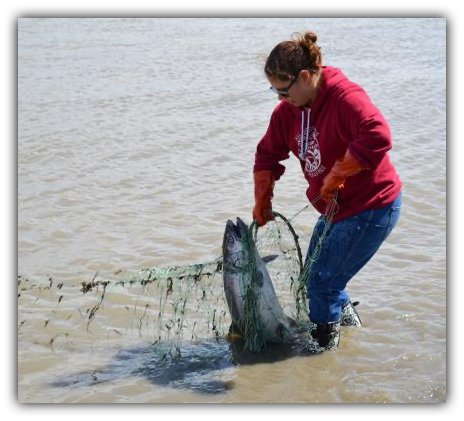
But production is only the first stage of value.
Once seafood leaves Alaska docks, pricing power shifts to buyers, exporters, and global distribution networks. Branding and final market margins are largely determined outside the state.
Alaska produces the resource. The wider system determines much of its value.
Where Value Concentrates Across Alaska
In Bristol Bay, small-boat salmon fishermen anchor a highly local economy. Income circulates quickly through coastal communities during a short seasonal fishery, making it one of the strongest examples of in-state value retention.
In Dutch Harbor, scale defines the system. It is the largest fishing port in the United States by volume, processing massive industrial harvests. Companies like Trident Seafoods operate major facilities there, employing Alaskans while export and processing decisions extend into broader corporate systems.
Kodiak represents a mixed fleet and processing economy. Southeast Alaska remains heavily small-boat driven but is exposed to global pricing once fish leave port.
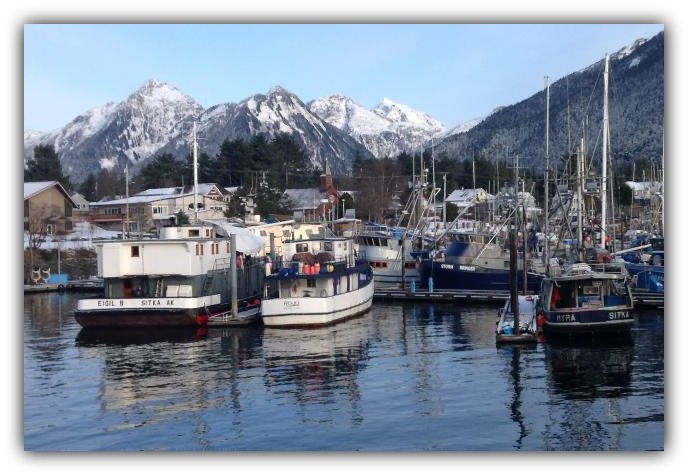
Bristol Bay retains more local income due to its small-boat structure. Dutch Harbor leads in volume but has the least local control over final value. Kodiak sits in the middle. Southeast Alaska has strong fishing participation but limited leverage in final pricing.
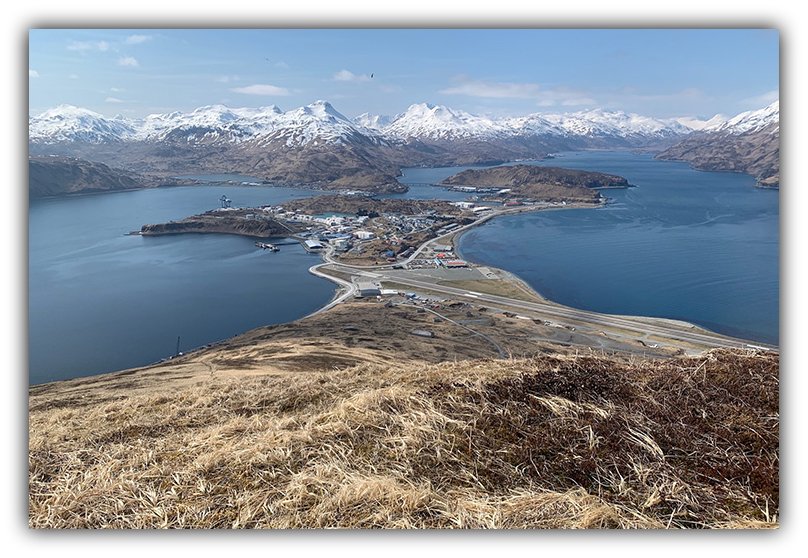
The geography changes. The value structure does not.
Who Benefits First
When federal seafood programs open, early access is driven less by location and more by administrative capacity.
The first beneficiaries are typically:
- Large processors with compliance systems
- Integrated seafood companies with export infrastructure
- Firms already experienced in federal funding programs
These entities may operate in Alaska or outside the state, but scale and readiness determine speed of access.
Mid-sized operators may follow.
Smaller independent fishermen are more likely to see indirect effects first, such as market shifts or processing demand, rather than direct federal funding.
Political Context
The announcement also drew attention because of Commerce Secretary Howard Lutnick’s past public ties to financier Jeffrey Epstein, a convicted sex offender.
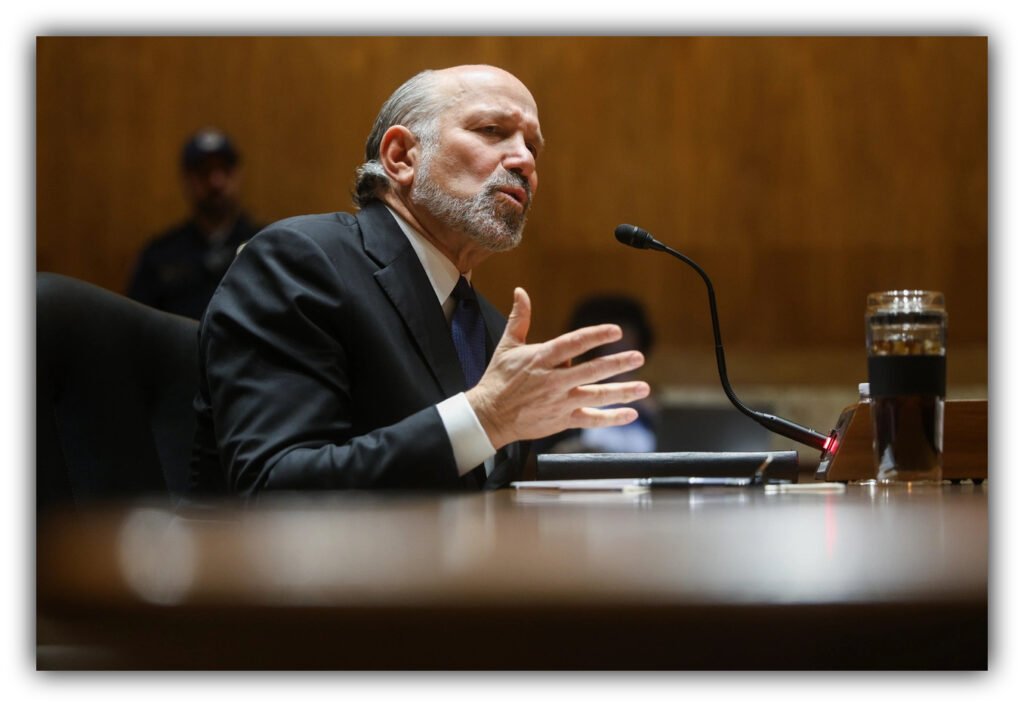
Lutnick’s transcribed interview with the House Oversight Committee is scheduled for May 6, according to people familiar with the planning. House Oversight Chair Rep. James Comer said Lutnick “proactively agreed to appear voluntarily” after pressure mounted for a subpoena vote.
Lutnick has said he cut ties with Epstein in 2005 but later acknowledged having lunch with Epstein on his private island after Epstein’s 2008 conviction for soliciting a prostitute. The schedule was first reported by CNN.
There is no allegation that Lutnick participated in Epstein’s criminal conduct. The scrutiny, however, has followed him into a high-profile policy role tied to federal economic access.
Howard Lutnick’s role in the new federal seafood office raises fresh scrutiny given his past connections that have drawn attention in reporting tied to the Jeffrey Epstein scandal. How that history intersects with his current position in the Trump administration, and his direct involvement in shaping federal policy affecting Alaska’s fisheries sector, remains an open question as the office takes shape.
His presence in these discussions places him at the center of a major policy shift for Alaska, where seafood is a dominant industry and access to federal support programs has long been a priority for state leaders.
Bottom Line
The Office of Seafood does not change where fish are caught or who does the work.
It changes how federal money enters an existing system and who is positioned to access it first.
Alaska remains the foundation of the U.S. seafood economy.
The question is whether this structure shifts more value back into fishing communities or strengthens the systems already best positioned to capture it after the fish leave the dock.
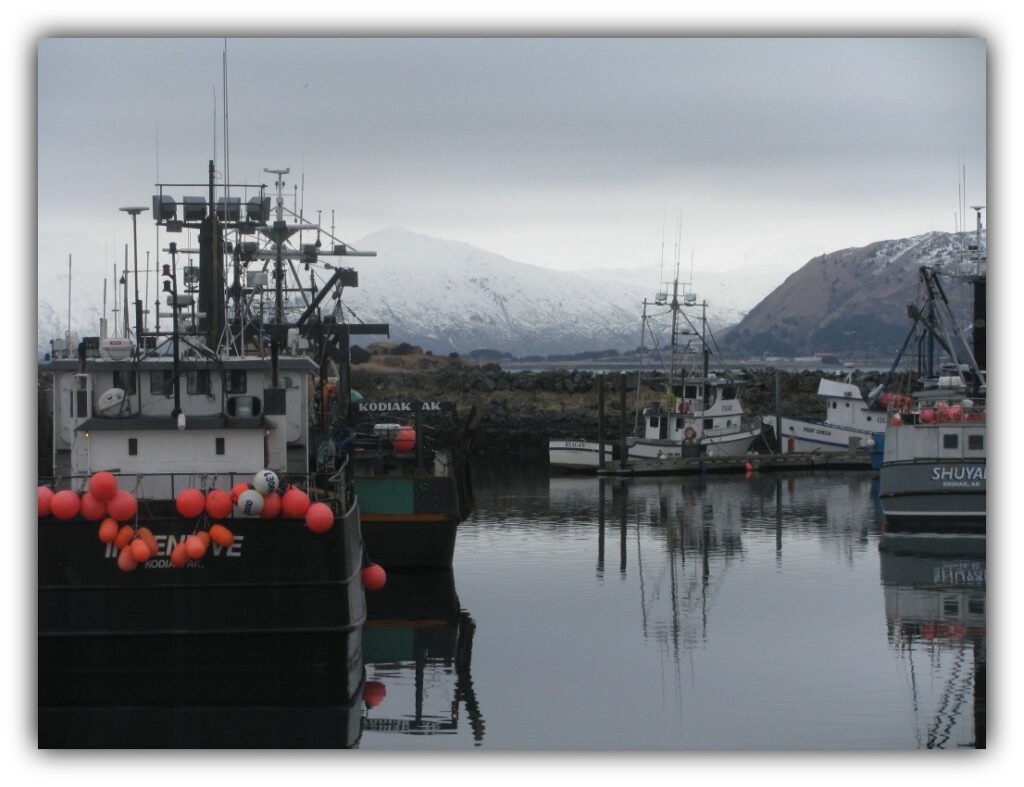
As federal initiatives such as the new Office of Seafood look to expand access to funding and support within the industry, AKFIN provides the baseline economic picture of the fishery sector, showing where value is produced and by whom across Alaska’s seafood economy.
Sourc: AKFIN.
What do you feel about this post?

Like

Love

Happy

Haha

Sad