




The Shuttle Was Once a Secret Spy Truck. Its Mission Never Left Orbit.
Astronaut Bruce McCandless II floats untethered during STS-41B, Feb. 7, 1984, testing skills that later saved classified payloads. 📸 Courtesy of NASA
Its mission never left orbit, and neither did the secrets. What astronauts knew, what they didn’t, and how the Shuttle actually operated.
By Gina Hill | Alaska Headline Living | April 11, 2026
Picture this: It’s 1988. Families across America gather around TVs to watch Atlantis streak into the Florida night on STS-27. To most, it’s just another NASA triumph. But tucked in the payload bay was ONYX, a billion-dollar radar spy satellite for the National Reconnaissance Office. Astronauts freed it from a jammed antenna using the robotic arm, a rescue the public never heard about until decades later. That was the Shuttle’s double life: from 1982 to 1992, NASA flew 11 classified missions alongside its science flights, with launches as public spectacles but payload details locked in secure rooms.
A Design Born from Spies
The National Reconnaissance Office demanded a bigger payload bay back in 1969 to fit their giant reconnaissance satellites, and the Air Force piled on, planning polar launches from Vandenberg. Astronauts got “limited briefings,” while Military Spaceflight Engineers trained as go-betweens, though few ever flew. Everyone knew only their piece of the puzzle in a system built for secrecy from the start.
STS-27: Drama in the Dark
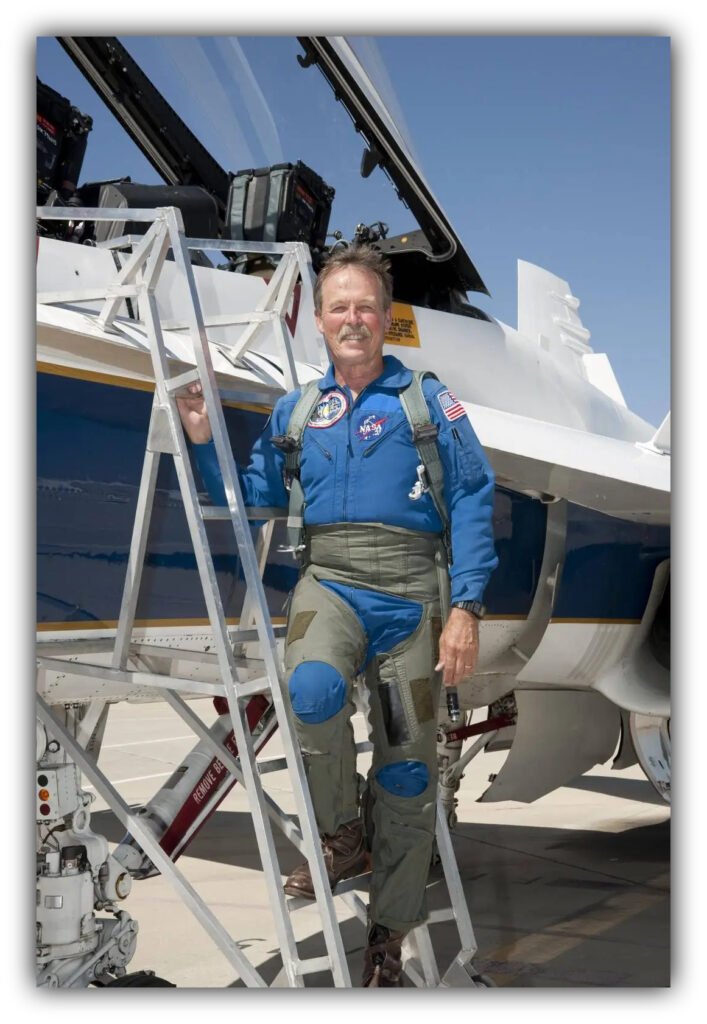
Atlantis’ crew, Hoot Gibson commanding, deployed ONYX smoothly at first, but then disaster struck: the satellite’s antenna snagged on release. Ignoring ground calls to let it go, they maneuvered the arm (maybe even a spacewalk) to free it, saving the mission against all odds. The NRO team was thrilled. NASA crews got Intelligence medals years later. No headlines, just quiet heroism orbiting out of sight.
The Full Shadow Roster
The classified flights formed a tight lineup. Here’s what they launched:
- STS-51C (1985, Discovery): First dedicated military flight. Dropped off an ORION satellite to eavesdrop on enemy radio signals, boosted to high orbit by a rocket stage.
- STS-33 (1989, Discovery): Second ORION, slipped out over Thanksgiving weekend to keep things low-key.
- STS-36 (1990, Atlantis): Stealthy MISTY spy satellite in a steep 62° orbit, the Shuttle’s highest tilt ever.
- STS-53 (1992, Discovery): Final mission with a satellite relaying secret data, then they shut it all down.
“Firsts” Hiding Years of Prep
That famous 1984 satellite repair on STS-41C, often described as the world’s first on-orbit fix, did not come out of nowhere. It built on years of underwater training, high-fidelity simulators, and incremental testing of the same core skills on earlier Shuttle missions, including payload handling work on flights like STS-4.
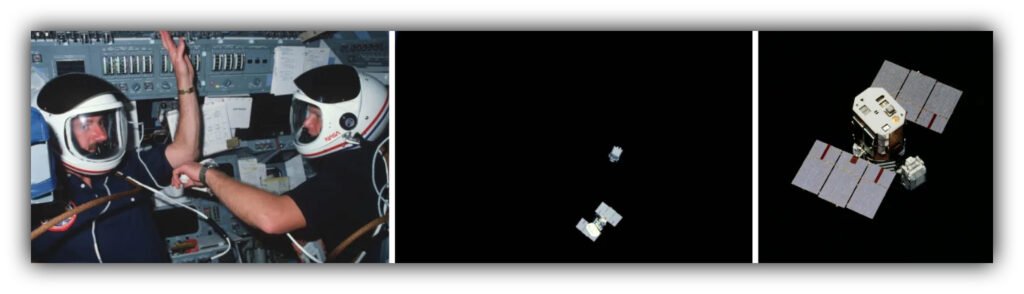
There is a common idea that moments like this were secretly done in space first, then later revealed as “firsts.” There is no solid evidence for that. What actually happened is more grounded and, in some ways, more impressive. NASA and its partners refined the techniques step by step in public and controlled environments, gradually increasing complexity until the full mission could be attempted in orbit for the first time.
Spaceflight’s “magic moments” were not hidden rehearsals. They were the payoff after years of visible, structured buildup, where robotics work, rendezvous techniques, and EVA procedures were tested repeatedly until they finally worked together under real orbital conditions.
Challenger Killed the Double Duty
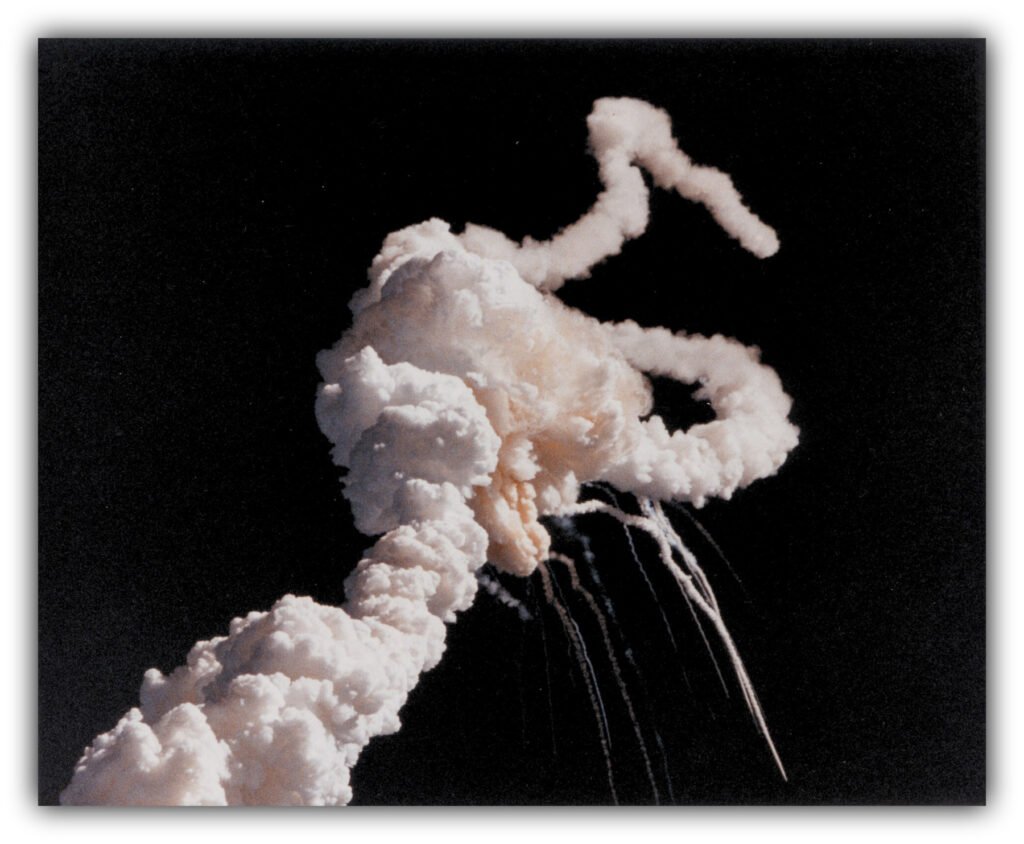
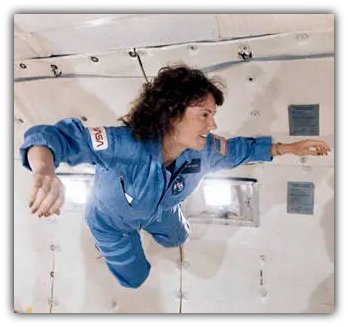
The 1986 Challenger disaster changed everything. Seven lives lost live on TV, including civilian teacher Christa McAuliffe, slammed the brakes on the entire Shuttle program for 32 months. No ejection seats. No parachutes for the full crew. Just faith in engineering, since pilot seats had been removed after STS-4 and later orbiters like Challenger were built without them. Weight limits, physics (ejecting past Mach 3 was impossible), and crew size made escape systems unworkable for operational flights carrying 4-8 people. The public mourned. NASA grounded. And the Pentagon plus NRO had to ask the brutal question: why the hell are we risking trained astronauts on routine spy satellite launches when uncrewed Titans can do it safer, cheaper, and without a fireball 73 seconds off the pad?
Pre-Challenger, the Shuttle was their golden goose. Classified payloads flew as “co-primaries” or full primes because NRO loved the reusable bay, the arm for tweaks, and that human backup if things jammed (like STS-27 later proved). But post-explosion, Congress, safety boards, and brass rethought it all. Richard Truly took over NASA and banned “routine” DoD missions. No more Vandenberg polar launches. No more treating the Shuttle like a truck for spy gear.
Return-to-flight in 1988 came with iron rules. Only “irreplaceable” payloads got Shuttle rides, ones too big or finicky for expendables. Secure integration rooms that once buzzed with NRO techs and Air Force handlers stood empty. By STS-53 in 1992, the classified era was done. Titans, Deltas, and later Falcons took over spy launches. The worlds split: NASA for science and stations, military for shadows. Risk had drawn the line.
Orbiting Ghosts Today
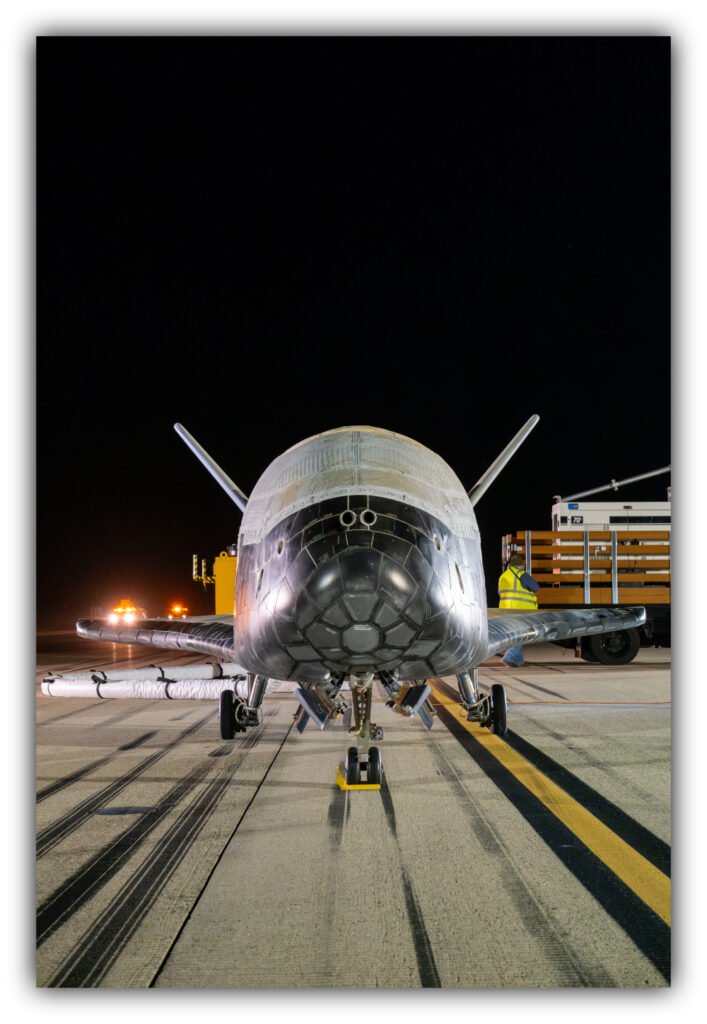
The X-37B now handles those long, silent classified runs. It’s fully robotic. Utterly secret. No parades. No crew to complicate things. Meanwhile, astronauts like T.K. Mattingly still can’t tell their full stories. The Shuttle never hid its flights. It balanced NASA’s open sky with America’s hidden eyes. Risk eventually drew a hard line between them.
Those dual-role flights left a lasting legacy. Reusable heat shields and orbital maneuvering tech from Shuttle missions directly shaped Artemis II’s successful 2025 lunar flyby, robotic arm skills built the ISS and now support Gateway, repair procedures stand ready for deep space hardware. One vehicle chased stars and shadows, handing humans and machines the tools to reclaim the moon.
Sources
- NASA Shuttle program histories and post-Challenger reviews.
- “The Secret Space Shuttles,” Smithsonian Air & Space Magazine, May/June 2009, by Michael Cassutt.
- Declassified NASA/NRO mission records (STS-27, STS-51C, STS-33, STS-36, STS-53).
What do you feel about this post?

Like

Love

Happy

Haha

Sad