





Anchorage Police Warn: Don’t Let False Stories Put You at Risk
Anchorage Police remind the public that checking official sources and verified updates helps prevent the spread of false information and keeps the community safer.
April’s Disinformation Awareness Month reminds us all to verify news, trust official sources, and stay safe online and in real life.
By Gina Hill | Alaska Headline Living | April 6, 2026
ANCHORAGE, Alaska – False information can spread faster than traffic on the Glenn Highway, and it can put real people at risk. This April, the Anchorage Police Department is urging residents to pause, verify, and think before sharing online posts as part of Disinformation Awareness Month. The campaign highlights how false stories, rumors, and doctored images can mislead the public, interfere with emergency response, and undermine trust between the community and law enforcement.
Disinformation is false or misleading content that is created and shared deliberately to deceive or manipulate public perception. Unlike misinformation, which may be shared by mistake, disinformation is intentional, often designed to confuse, scare, or mislead.
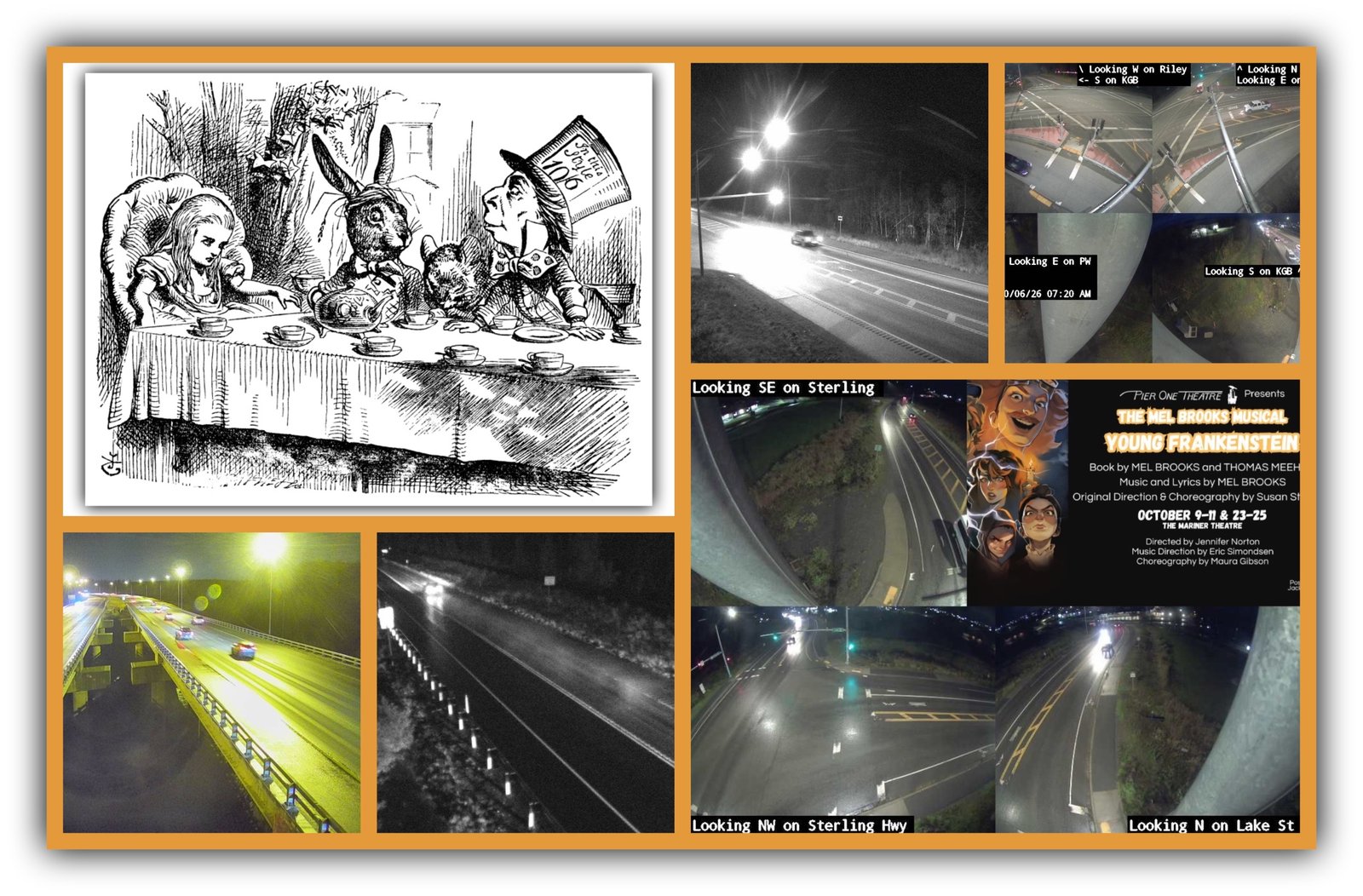
An example of disinformation is a social media post falsely claiming a major avalanche was about to hit the Glenn Highway near Anchorage. The image and warning were created to scare people, even though authorities confirmed no danger. If someone mistakenly shares the photo thinking it is real, that is misinformation, not disinformation.
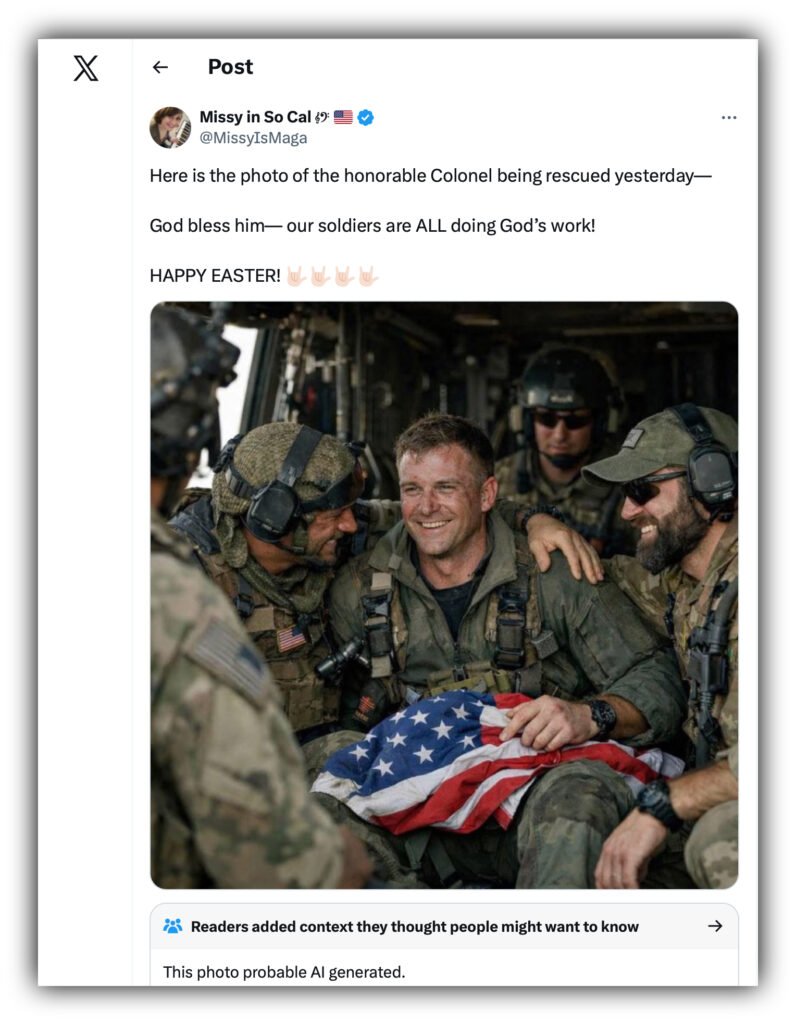
A recent national example shows how powerful disinformation can be. On April 5, 2026, the account Missy in So Cal(@MissyIsMaga) posted an image on X claiming a U.S. airman had been rescued in Iran after his fighter jet was shot down. The post went viral with 4.9 million views and 20,000 shares and even fooled some Republican lawmakers. Investigators confirmed the image was AI-generated and not an actual rescue, making it a clear case of disinformation intended to mislead the public about real-world events.
According to the Anchorage Police Department, the spread of false information can have real consequences. When rumors or doctored images circulate online, they can divert law enforcement resources, create unnecessary panic, and complicate communications during emergencies. Officers and dispatchers may have to spend valuable time responding to misinformation instead of addressing actual incidents.
The department encourages residents to rely on official sources, verify information before reposting, and follow verified APD channels for accurate updates.
Part of a Broader Awareness Effort
Anchorage’s campaign reflects a nationwide push to fight misleading information online. The Cybersecurity and Infrastructure Security Agency (CISA), part of the Department of Homeland Security, runs public campaigns warning about the dangers of misinformation and disinformation. International organizations like UNESCO also promote media literacy programs that teach people how to spot and avoid false content online.
These efforts aim to build resilience against misleading posts that spread quickly on social media and messaging platforms. By pausing, checking sources, and thinking critically before sharing, residents can protect themselves and their communities from unnecessary harm.
Throughout the month, the Anchorage Police Department will share tips, resources, and updates to help residents identify disinformation and strengthen media literacy skills.
The message is simple: Pause, verify, and share responsibly.
What do you feel about this post?

Like

Love

Happy

Haha

Sad