


Hundreds Rally in Wasilla as No Kings Protests Sweep Nation
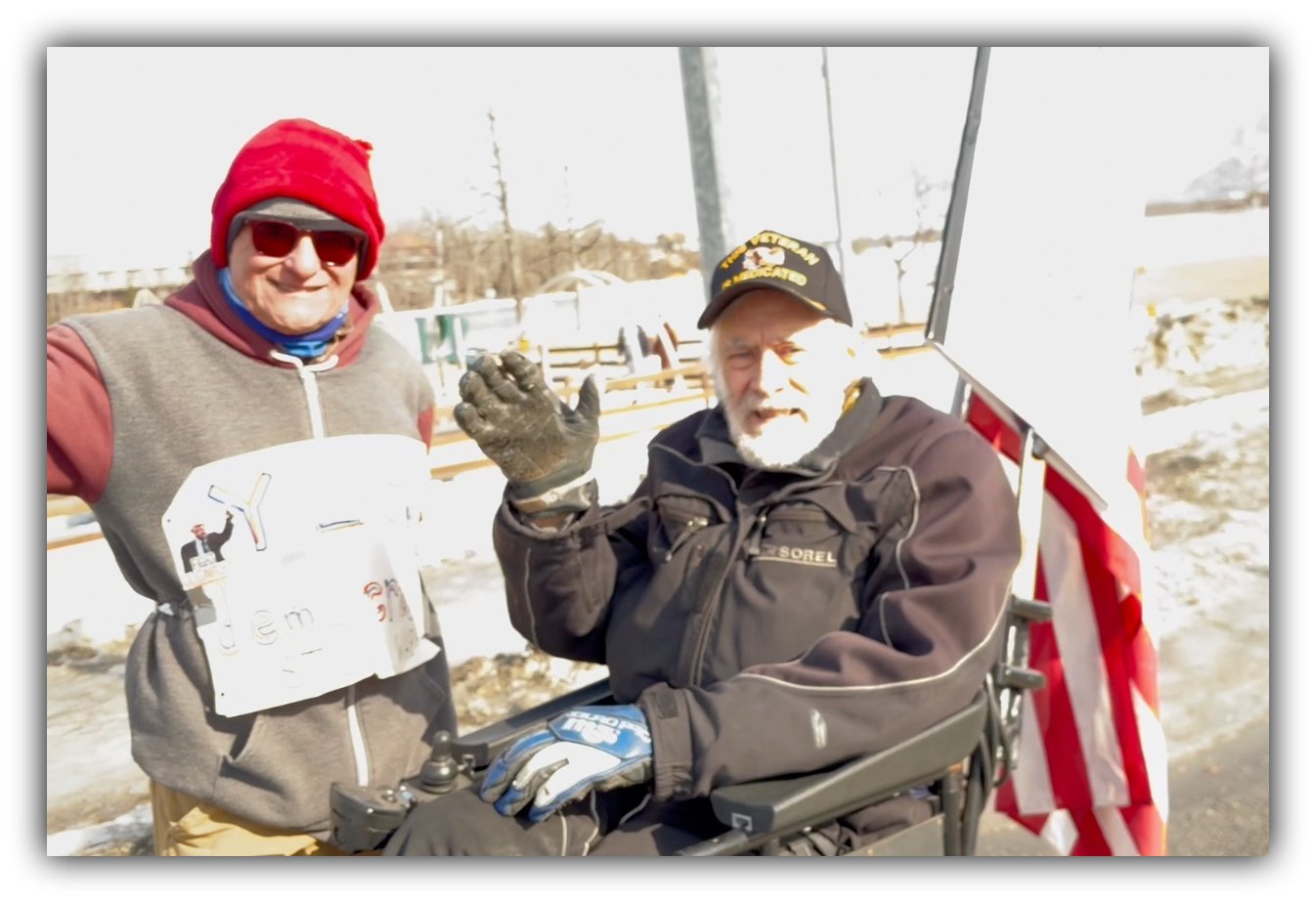
Vietnam War veteran Michael Fugere, seated in a wheelchair with friend Edward Godnig, speaks with Alaska Headline Living at the No Kings rally in Wasilla, Alaska, on March 28, 2026, saying, “Somebody leading this country has no idea what they’re doing.” Alaska Headline Living ©
By Gina Hill | Alaska Headline Living | March 29, 2026
Communities from Alaska to the Lower 48 are feeling the impact of nationwide “No Kings” protests against the Trump administration, with demonstrators voicing concerns about federal policies and leadership style.
In Wasilla, about 650 people turn out Saturday at Newcomb Park for the No Kings protest. Sunshine brightens the lake, the winds stay relatively calm, and the rally wraps up around 2 p.m., leaving energy lingering across the community.
Organizers in Wasilla described the event as upbeat, saying it gave area residents a chance to connect with one another and talk about issues ranging from immigration enforcement to rising costs of living and, what many see as, executive overreach. Passing motorists on the Parks Highway honked in support as they drove by.
Attendees represented a range of perspectives, including from local veteran Michael Fugere, who shared his thoughts on the state of national leadership:
“Where do we go from here?” Fugere asks, a question that echoes across communities taking part in the movement. Protesters across the United States also turned out Saturday. National organizers estimate that more than 3,300 No Kings demonstrations took place in all 50 states as part of the largest single‑day mobilization of this movement to date, with combined estimates ranging into the millions of participants nationwide.
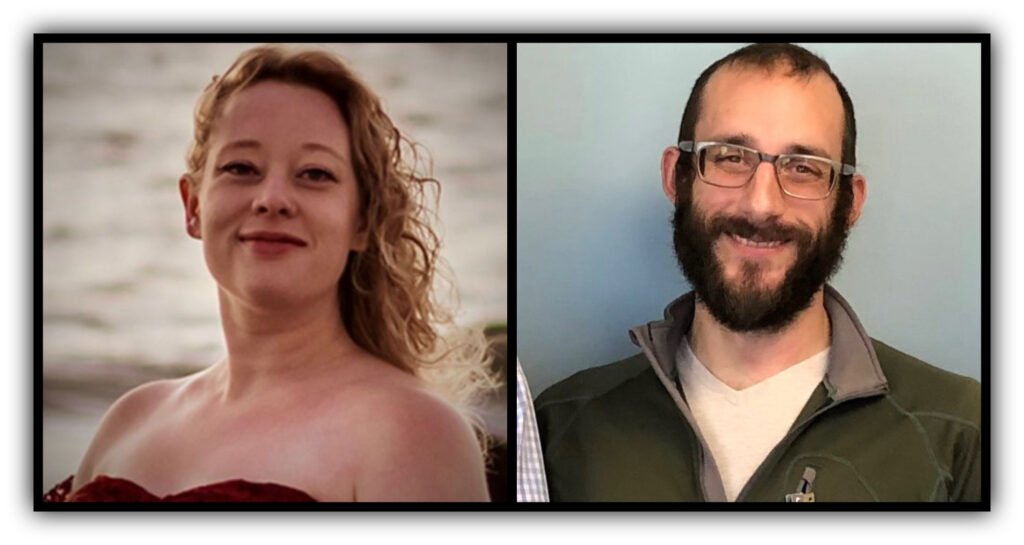
The movement draws on real-life concerns that touch communities across the country. Organizers cite opposition to federal immigration enforcement operations that killed Renée Good, a mother of three, and Alex Pretti, a nurse, in Minneapolis earlier this year, sparking grief, outrage, and legal battles over transparency. Protesters also highlight the war in Iran, erosion of democratic norms, and economic pressures facing families. In Minnesota, tens of thousands attended a flagship rally, where Bruce Springsteen performed “Streets of Minneapolis,” a song written in response to the deaths of Good and Pretti, bringing national attention to their stories and the broader issues driving the protests.
Critics have called the protests “performative” or “vague,” arguing the slogan “No Kings” targets a problem that does not literally exist. But the demonstrations themselves are real and organized, drawing measurable turnout and community participation. Supporters say the rallies reflect concerns about what they view as authoritarian leadership and policies affecting everyday life.
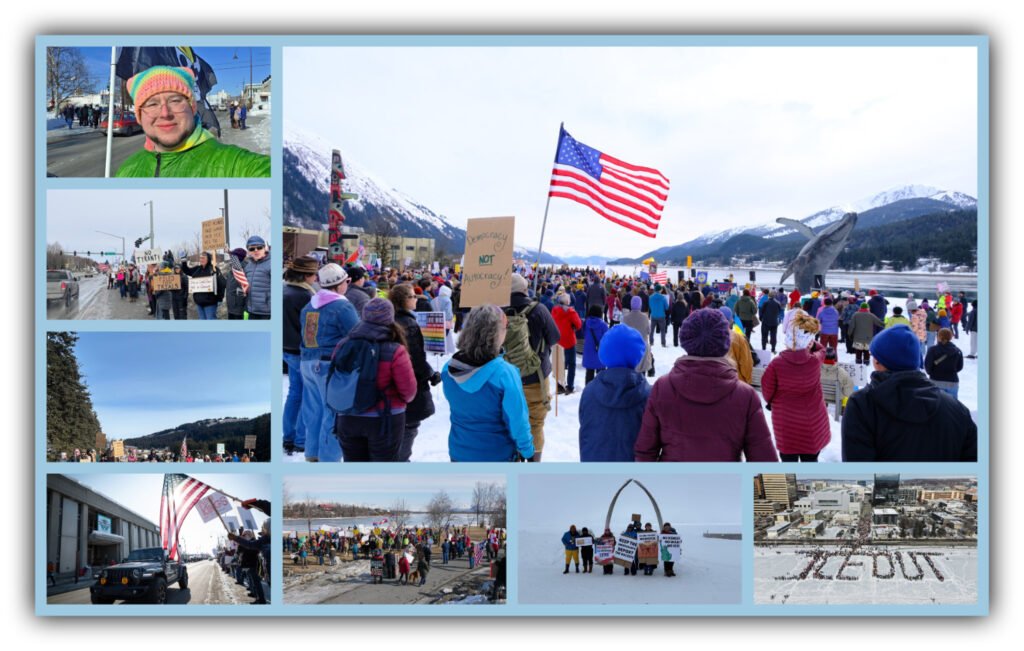
In the meantime, rallies were held from Anchorage and Fairbanks to Juneau and Ketchikan, reflecting the statewide participation in the national movement. No Kings organizers emphasize that the March 28 protests are part of a continuing effort that began in 2025 to encourage civic engagement and grassroots action.
For many participants, the lingering question echoes the one voiced earlier at the rally: Where do we go from here? Organizers say the next step is continued civic engagement, urging supporters to stay involved through local groups, attend future events and take part in discussions about voting and public policy as the country approaches the 2026 midterm elections. Readers who want to follow the movement or participate in upcoming No Kings actions can visit NoKings.org for event listings or connect with local civic engagement groups.
What do you feel about this post?

Like

Love

Happy

Haha

Sad