






Shadows Unveiled: Apocalypse War Rhetoric
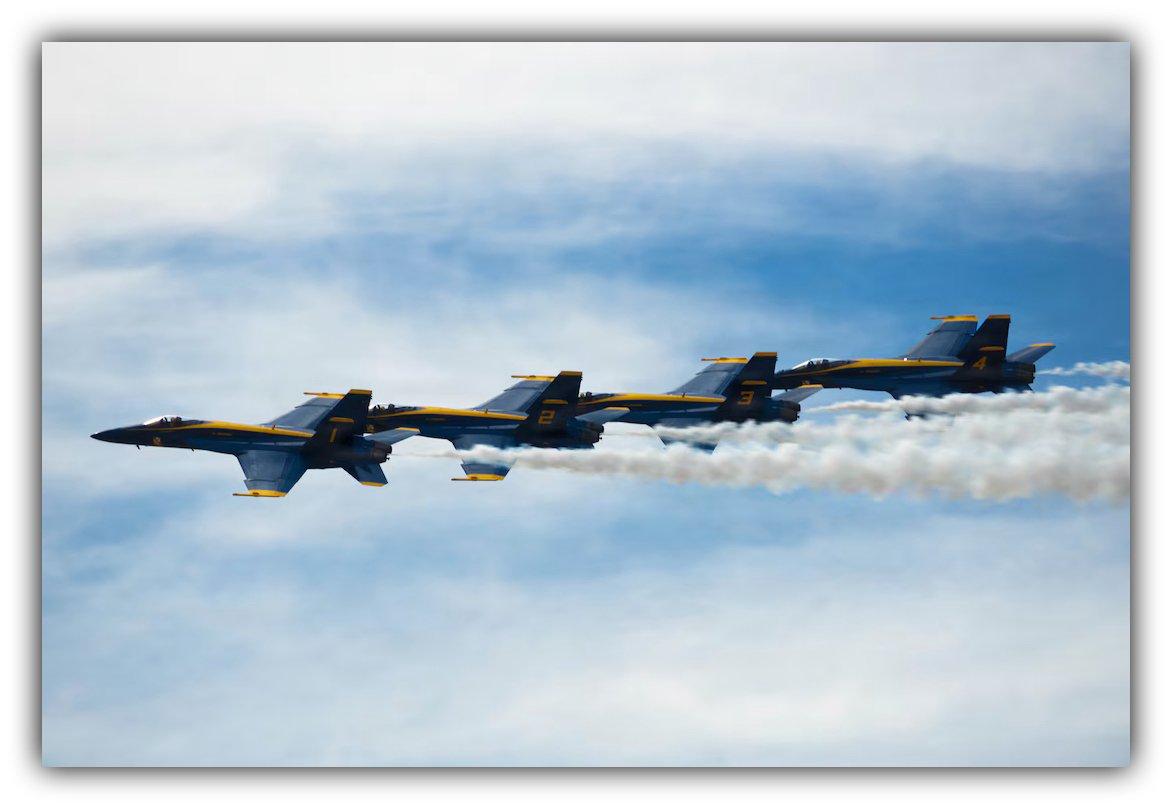
Precision and power take to the skies as the Blue Angels perform at the 60th Annual Yuma Air Show. Their formation mirrors the rhetoric of authority and duty explored in this series. Credit: Marine Corps Cpl. Hannah Dodson
This week spotlights seven underreported crises slipping past mainstream media. From immigrant school barriers to war fallout and policy shadows, primary sources expose one story each day through March 22. Day 6 of 7 starts now.
By Gina Hill | Alaska Headline Living | March 21, 2026
Religious rhetoric in war is not new. Leaders throughout history have invoked divine authority to justify conquest, obedience, and even mass killing. But history shows this is often dangerous.
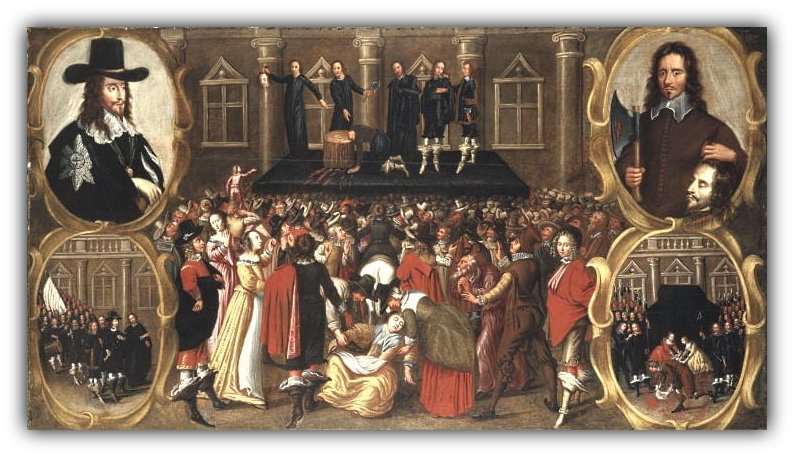
King Charles I of England insisted on the divine right of kings and faced civil war that ended with his execution.
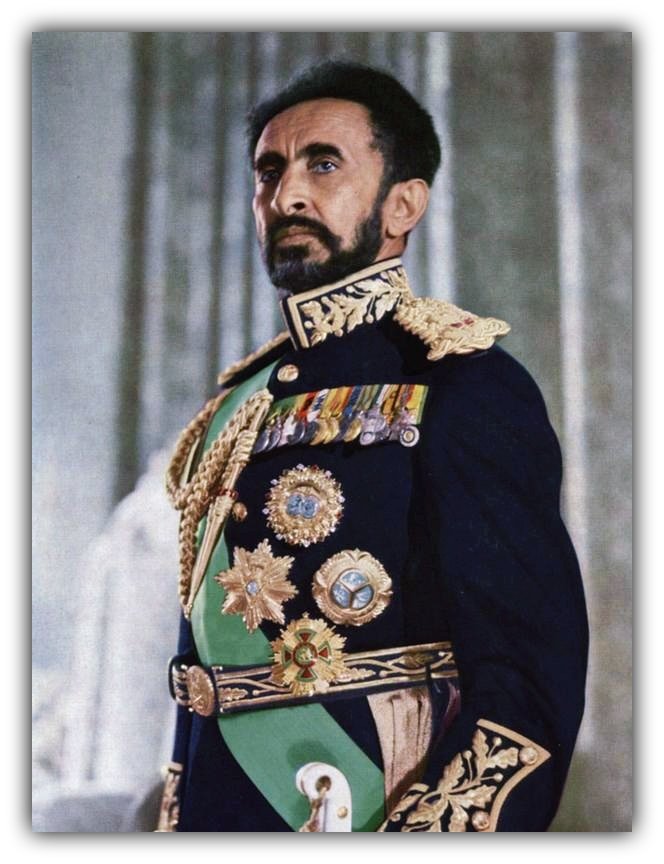
Emperor Haile Selassie of Ethiopia invoked God’s sanction of his rule, only to be overthrown amid invasion and political upheaval.
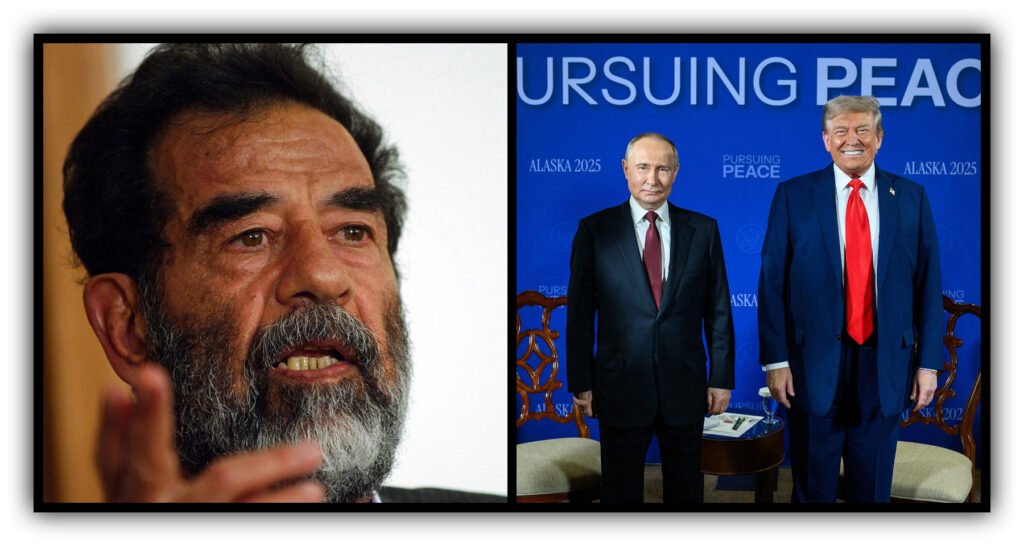
More recently, authoritarian leaders who equate their authority with a divine mandate, including Vladimir Putin and Saddam Hussein, have faced societal pushback, revolt, or collapse. Hussein lost more than his regime. He lost his power, the illusion of invincibility, and ultimately his life. As Mark Twain famously noted, history doesn’t repeat itself, but it often rhymes.
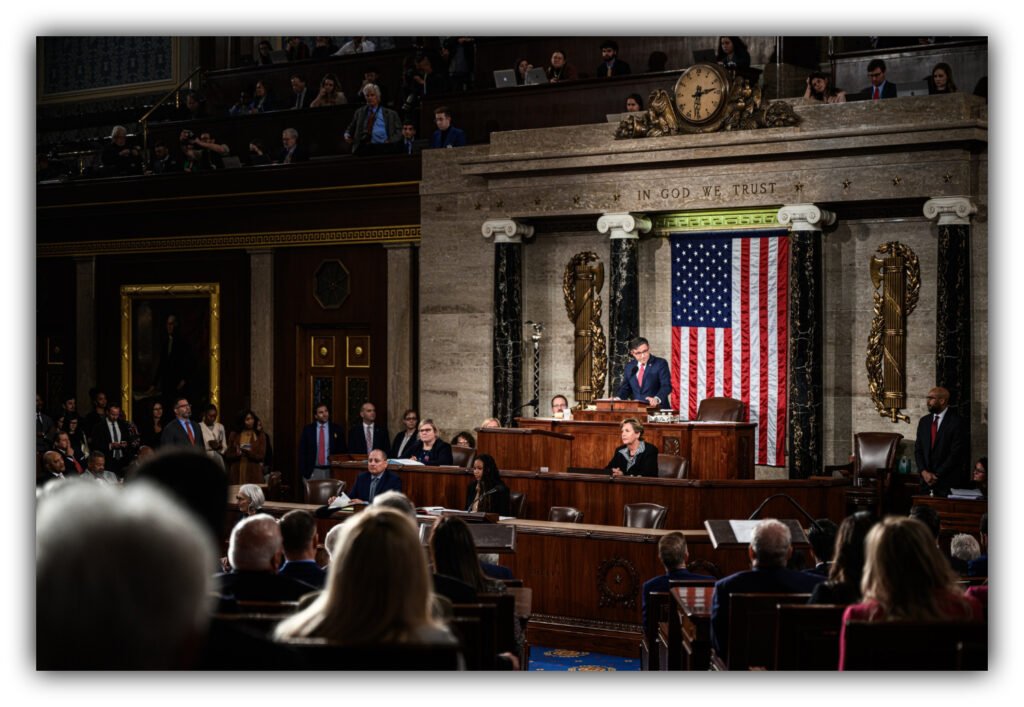
In the United States today, this type of rhetoric is not confined to history books. Speaker of the U.S. House of Representatives Mike Johnson publicly suggested that God raises up those in authority, implying that leaders’ power is divinely ordained. Such statements frame obedience to political figures as a moral or spiritual duty and risk normalizing authoritarian thinking. Questioning or resisting leaders is not just politically wrong in this view, but spiritually wrong, a pivot that can dangerously justify unchecked power.
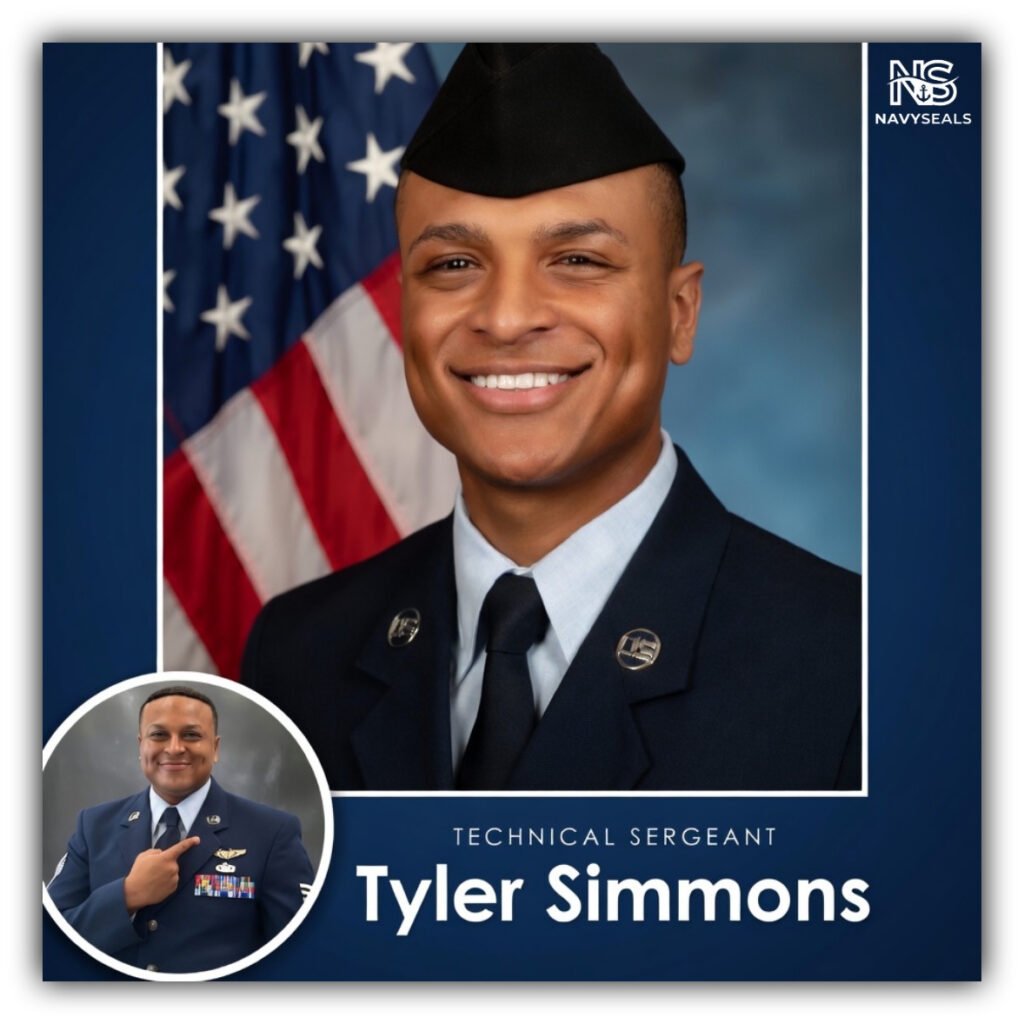
Families of fallen service members have pushed back against rhetoric that misrepresents their views. The Simmons family, whose son Tech. Sgt. Tyler H. Simmons was killed in a U.S. Air Force KC-135 refueling aircraft crash in western Iraq, publicly refuted claims made by Secretary of Defense Pete Hegseth that loved ones of the fallen had urged the mission to continue in their honor. Simmons’ father said his words had been taken out of context and that he had not called for more war. The moment exposed a critical gap between public narrative and private reality, where powerful voices can frame grief as support for continued conflict even when families themselves say otherwise.
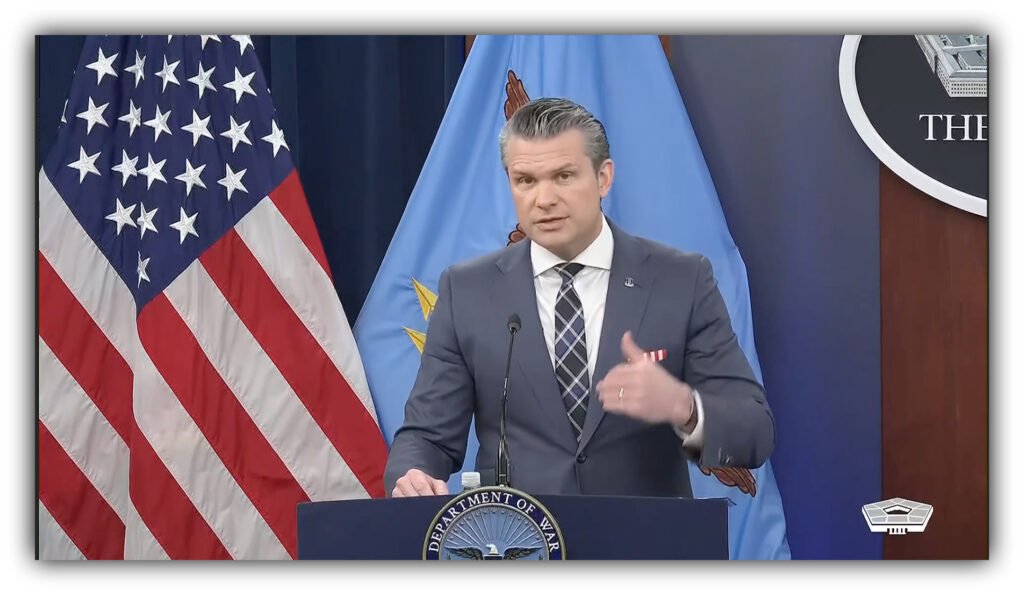
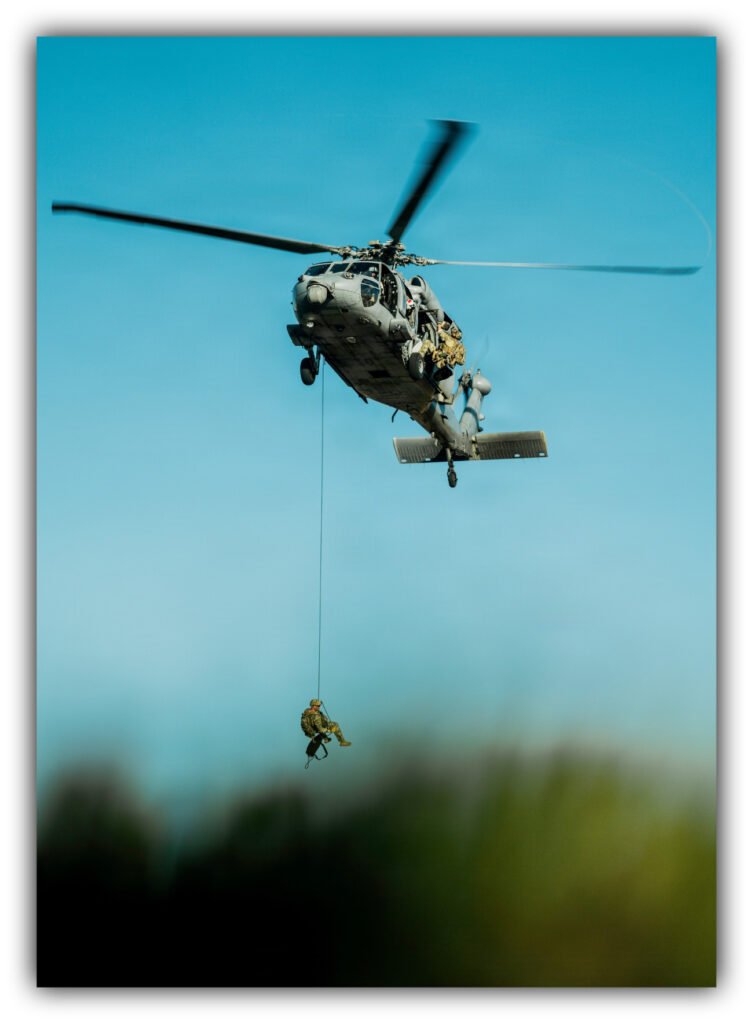
Religious and apocalyptic rhetoric in leadership is not harmless. Framing conflict as God’s will or invoking divine right carries real-world consequences, influencing policy, military engagement, and public perception. Leaders who fuse religious justification with military authority risk creating a climate where dissent is morally condemned, critical debate is stifled, and ethical oversight is weakened.
👉🏿 Take Action:
If you are concerned about maintaining the separation of church and state, there are ways to stay informed and involved.
- Learn about separation of church and state at the First Amendment Center
- Support military oversight and ethical leadership via Protect Our Defenders
- Stay informed on faith in politics through the Secular Coalition for America
Day 7 Tomorrow: When Headlines Shout, Truth Whispers.
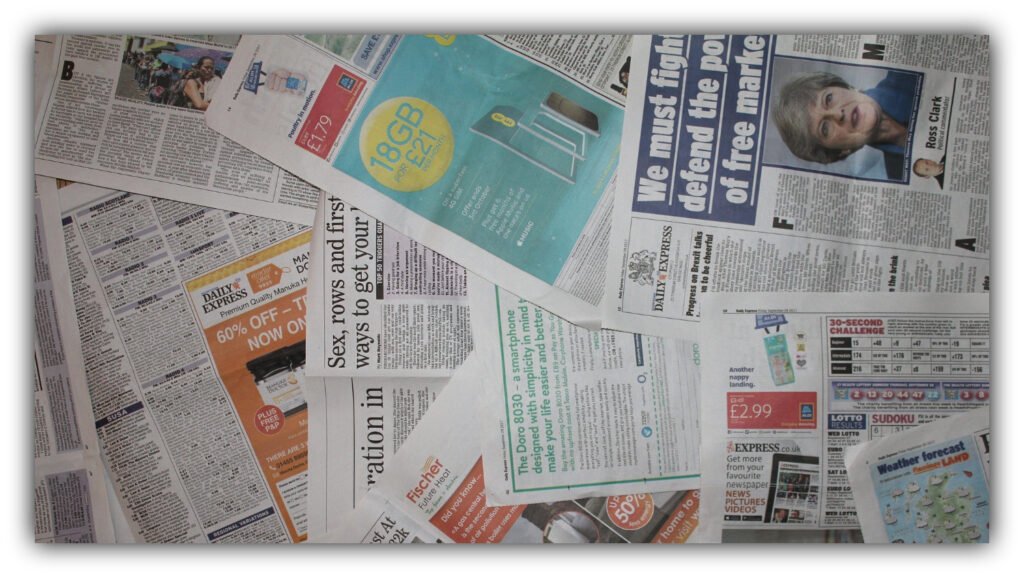
Project Censored’s 2026 State of the Free Press report highlights how scandal cycles and shallow headline churn crowd out sustained reporting on structural, systemic issues, from civil rights to oversight erosion and war’s human costs, amplifying a “drowning in noise” problem that weakens democratic accountability.
Share before it fades into the shadows. ↗️
What do you feel about this post?

Like

Love

Happy

Haha

Sad