

Under Fire: How the FCC’s Threats Are Shaking Broadcast News and What You Can Do About It
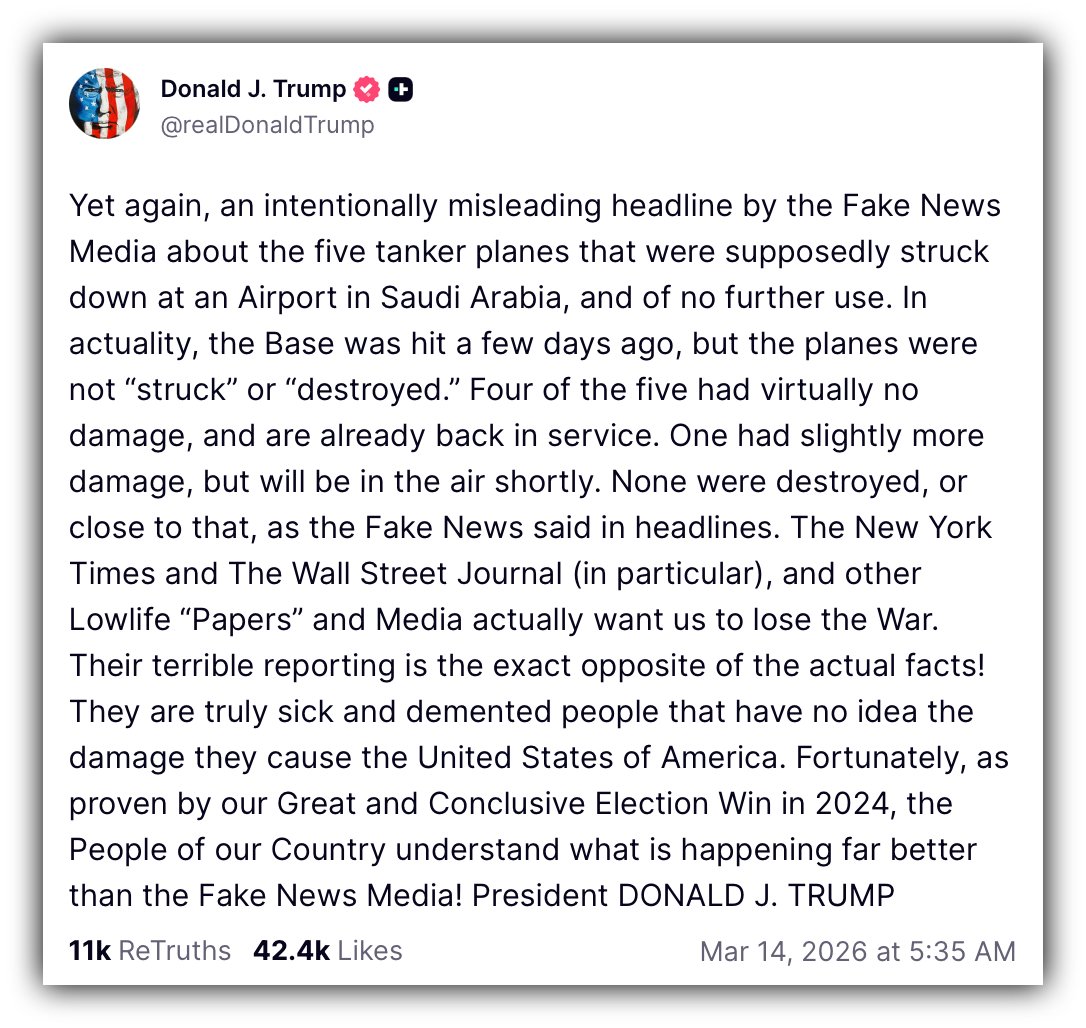
Donald Trump’s March 14, 2026, Truth Social post criticizing media coverage of Saudi Arabia and triggering FCC warnings.
By Gina Hill | Alaska Headline Living | March 2026
Government regulation of the media rarely grabs headlines, but this week it became impossible to ignore. FCC Chair Brendan Carr publicly warned that broadcast networks airing what he called “hoaxes and news distortions”, tied to coverage of the U.S.-Israel/Iran conflict, could lose their broadcast licenses unless they “correct course.” These warnings were explicitly linked to President Donald Trump’s Truth Social post criticizing major outlets like The New York Times and The Wall Street Journal for allegedly misreporting military equipment losses.
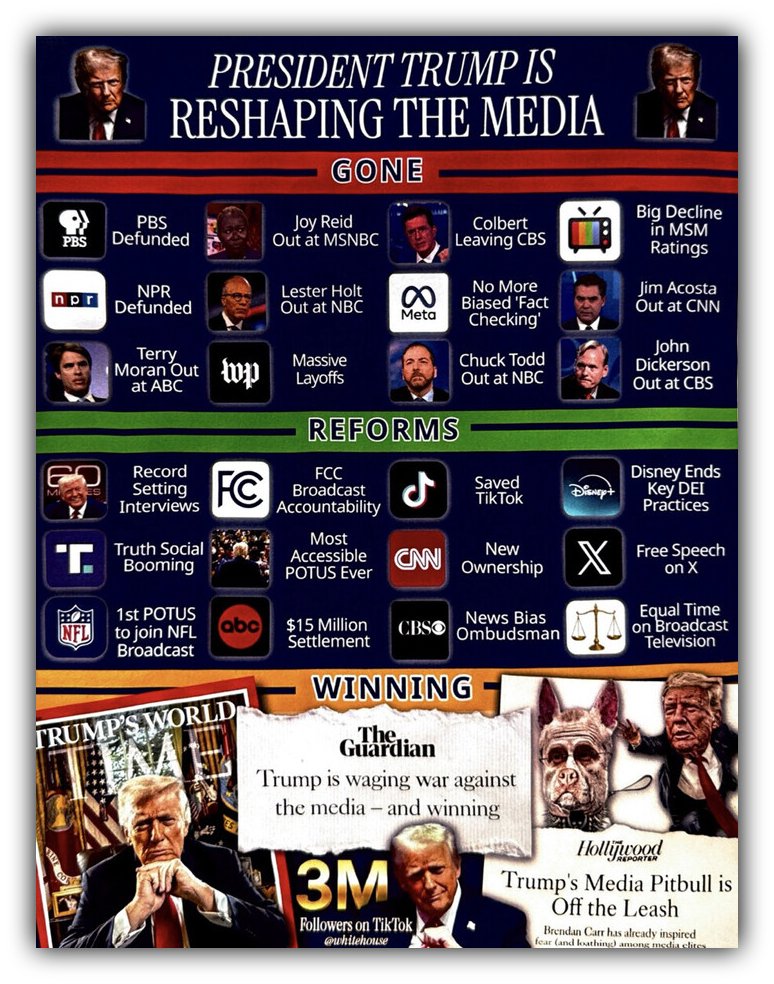
FCC Authority vs. First Amendment Protections
The FCC was created under the Communications Act of 1934 to manage public airwaves, issue broadcast licenses, and ensure licensees serve the public convenience, interest, or necessity. (congress.gov) It enforces rules on indecency, equal political opportunities, and undisclosed paid content. Section 326 explicitly limits the FCC’s authority over editorial content. (congress.gov)
Think of the spectrum as a highway for wireless signals. Each TV station, radio channel, cell phone network, and even Wi-Fi system needs its own lane to transmit without crashing into others. Spectrum allocation is how the FCC assigns these “lanes” to different users so signals do not interfere. When the FCC regulates broadcasters, it is controlling access to these lanes, not what reporters say on air. Violating technical rules could put a station’s license at risk, but editorial choices remain protected under the First Amendment.
In practice, the FCC cannot censor news coverage or punish political viewpoints. Broadcast licenses are at risk only for technical violations or operational failures. Any attempt to revoke a license based solely on editorial content would almost certainly be struck down in court. (docs.fcc.gov)
FCC’s Role vs. Carr’s Warning
The FCC is legally tasked with serving “the public convenience, interest, or necessity” through technical and operational oversight, not editorial control. That includes allocating spectrum, ensuring emergency alerts reach the public, enforcing technical compliance, and protecting consumers.
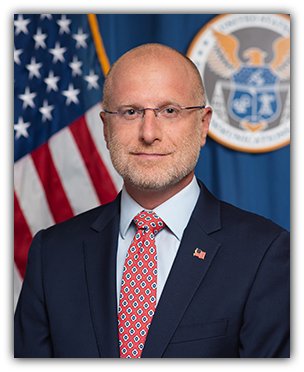
Brendan Carr’s warning to broadcast networks about coverage of the U.S.-Israel/Iran conflict goes beyond these traditional functions. While he framed it as holding broadcasters accountable, the FCC cannot legally revoke licenses for editorial content.
👉🏿 Its authority applies to whether stations comply with licensing rules, technical standards, and operational requirements, not whether the news they air aligns with political viewpoints.
In short, the FCC continues to serve the public through spectrum management and emergency communications, but Carr’s recent threats highlight a perceived overreach into editorial oversight, sparking concerns about press freedom.
Who’s Affected and Who Isn’t
| News Outlet | Type | FCC Broadcast License? | Affected by Carr’s Threat? | Notes |
|---|---|---|---|---|
| ABC (ABC News, Good Morning America, Nightline) | Broadcast | Yes | Yes | Over-the-air network; licenses at risk if FCC enforcement escalates |
| CBS (CBS News, 60 Minutes) | Broadcast | Yes | Yes | Same as above |
| NBC (NBC News, Today, Nightly News) | Broadcast | Yes | Yes | Direct target of Carr’s warnings |
| Fox (Fox Broadcasting, Fox News Channel) | Broadcast/Cable | Partially (broadcast side) | Yes (broadcast only) | Cable channel unaffected; broadcast division within FCC jurisdiction |
| PBS | Broadcast | Yes | Yes | Public broadcasting licenses subject to FCC rules |
| CNN | Cable | No | No | Cable-only; FCC cannot revoke license |
| MS NOW | Cable | No | No | Cable-only; unaffected |
| Fox News Channel | Cable | No | No | FCC cannot touch cable channel, only broadcast side |
| CNBC | Cable | No | No | Cable-only; unaffected |
| Newsmax | Cable | No | No | Cable-only; unaffected |
| Local over-the-air affiliates | Broadcast | Yes | Yes | Must comply with FCC technical rules; licenses are at risk |
Why This is Important
Carr’s threats highlight a critical tension. The FCC is supposed to regulate technical operations, spectrum allocation, and emergency communications, not editorial choices. When government officials suggest that political viewpoints could influence license renewal, it risks chilling coverage, eroding trust in the media, and undermining public confidence in the FCC itself.
At the same time, the FCC’s core functions remain essential. It coordinates emergency alerts, spectrum management, and technical compliance, which are vital for national security, disaster warnings, and smooth operation of wireless networks.
Take Action to Protect Press Freedom
The FCC may have the power to control broadcast licenses, but you have the power to push back. Here’s how to make your voice count:
- Call your representatives in Congress, especially the Commerce Committee, and demand they stand against FCC overreach.
- Back legal defenders of press freedom if broadcasters challenge government threats in court.
- Watch FCC rulemaking and submit comments to make sure your concerns are heard.
- Educate your community on what the FCC can and cannot do, and the difference between broadcast and cable regulation.
- Talk to local station managers because over-the-air licenses are local, and local voices matter.
The Big Picture
This is not just one commissioner’s warning or a president’s social media post. It is part of a broader debate over government regulation of media, freedom of speech, and the FCC’s role in a digital world. While the agency retains critical responsibilities, Carr’s actions expose how regulatory power can be perceived as political leverage. Reform or replacement discussions focus on preserving public safety and spectrum management while eliminating the risk of editorial coercion. (congress.gov)
The takeaway is simple. Understand the FCC’s authority, know which media outlets are affected, and take active steps to defend press freedom. Staying informed is not optional; it is your first line of defense in a fast-moving news landscape.
The Critical Role of Independent Journalists Today
Independent journalists continue to keep Americans informed by digging deeper, fact‑checking claims, and covering stories that larger networks may overlook. Outlets such as ProPublica, The Intercept, Alaska Headline Living, and reporters like Marcy Wheeler (EmptyWheel), Sarah Kaskow, and Jesse Byrd publish reporting on policy, local issues, and accountability that complements coverage from major broadcast and cable news.
These journalists and organizations help ensure a diversity of perspectives reaches the public, providing detailed analysis, source documentation, and local context that can deepen understanding of complex issues. In doing so, they help people stay aware and engaged even amid political pressure on mainstream media.

What do you feel about this post?

Like

Love

Happy

Haha
Sad