


Buc-ee’s: The F-Rated Gas Station That Americans Can’t Quit
Enough pumps, snacks, and souvenirs to make a pit stop feel like a road-side expedition.
Try calling Buc-ee’s for a refund, and you’ll find yourself in a digital maze. No phone numbers are listed on the website, and forms often go unanswered. Employees can be blunt, managers unhelpful, and the Better Business Bureau has given the chain the lowest possible rating: F. Complaints range from double charges to sandwiches with chunks of yellow fat, yet the company refuses to participate in BBB complaint resolution.
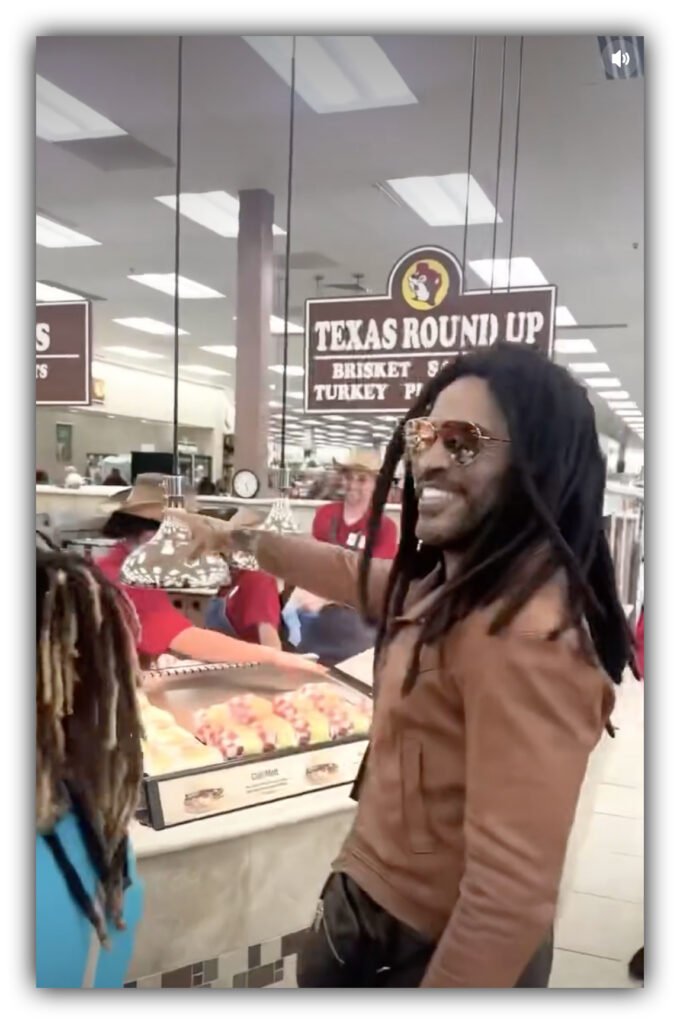
And yet, millions of fans keep coming back. People line up for Beaver Nuggets, brisket sandwiches, and the cult-favorite Buc-ee’s merchandise. Celebrities like Lenny Kravitz have admitted to a soft spot for the brand. It’s a paradox: chaos and devotion coexist in the same parking lot.
The Genius Behind the Beavers
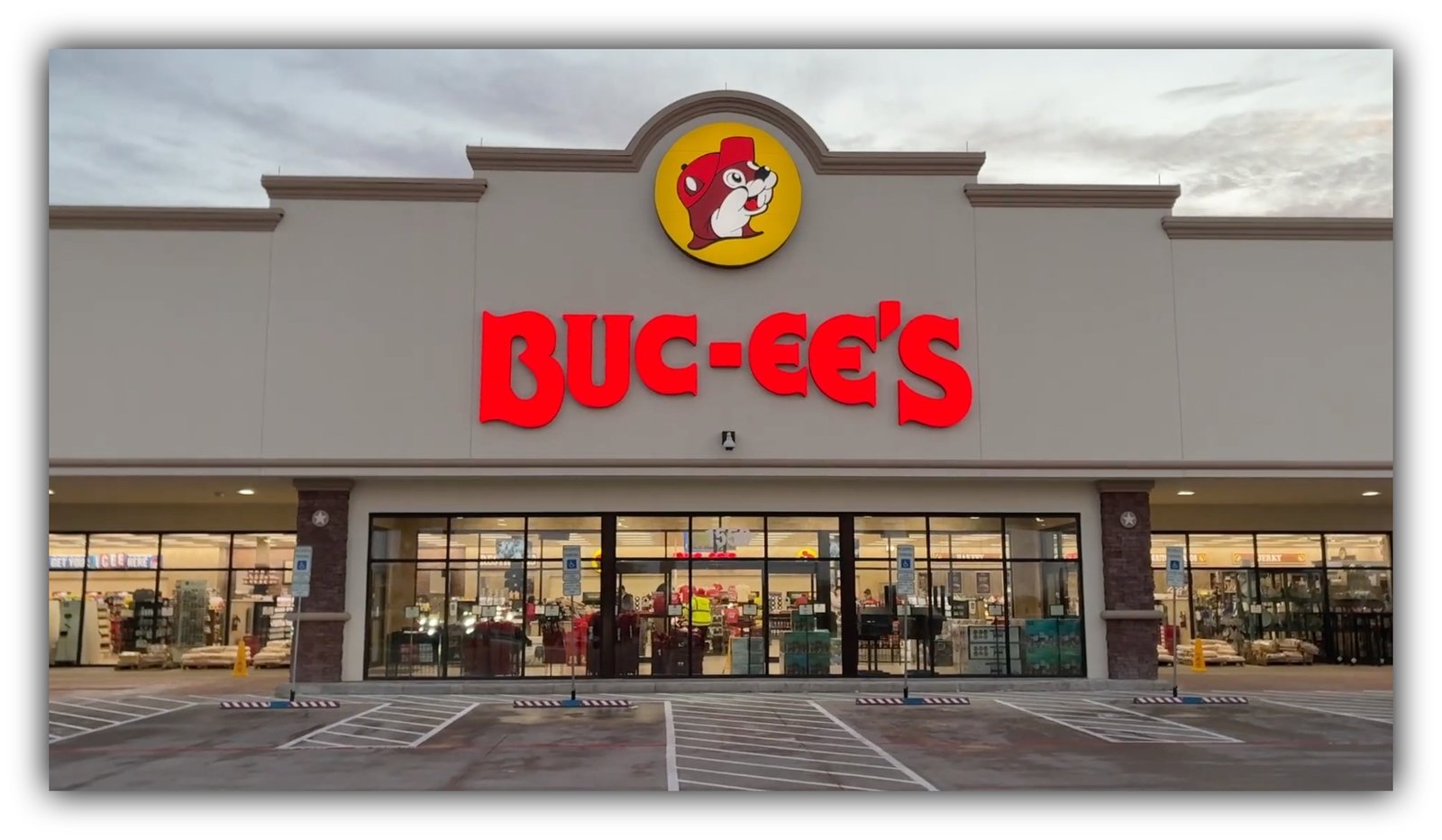
Founder Arch Aplin III is famously private. He started Buc-ee’s in 1982 in Lake Jackson, Texas, with a simple idea: cheap ice and immaculate bathrooms. That small niche evolved into a multi-state empire of massive travel centers, part gas station, part bakery, part souvenir shop, and part mini-retail mall.
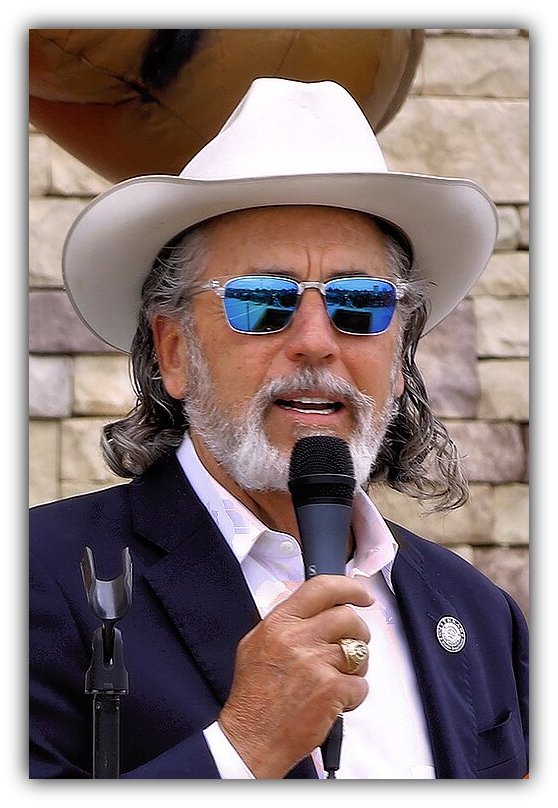
Some locations are up to 75,000 square feet with more than 100 gas pumps. A single store can generate tens of millions in revenue, mostly from high-margin food and merchandise, not fuel. Estimates put Aplin’s personal wealth around $800 million to $1 billion, all from fewer than 60 locations nationwide.
Defending the Brand Like Disney
Buc-ee’s doesn’t just sell products. It protects its image aggressively. A 2018 federal lawsuit against Choke Canyon, which featured an alligator mascot inside a yellow circle, went to jury trial. Buc-ee’s argued that the design looked too much like its beaver logo. The jury agreed, forcing Choke Canyon to rebrand.

Since then, the company has litigated or threatened multiple businesses over logos, mascots, and branding even while refusing to answer BBB complaints. This dual approach, aggressive legal defense paired with opaque customer service, makes Buc-ee’s both frustrating and fascinating.
Expansion Without Franchises
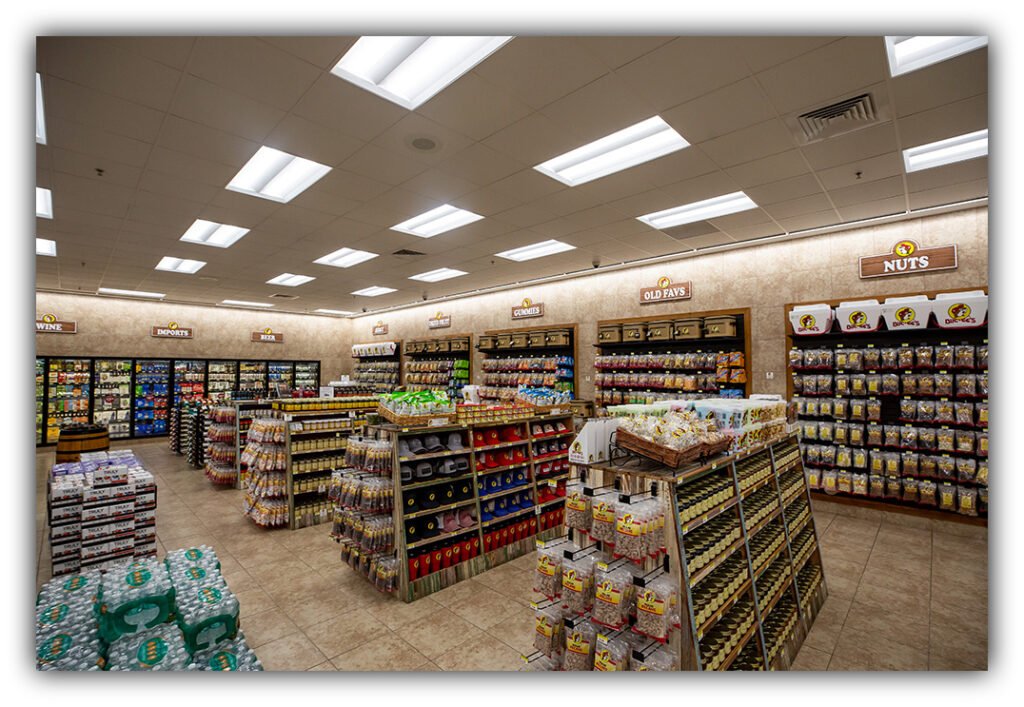
Unlike 7‑Eleven or Circle K, Buc-ee’s is entirely corporate-owned. No franchises, no outside operators. Every store reflects Aplin’s exacting standards, from bathroom cleanliness to merchandise layout. Expansion is methodical. The company targets high-volume interstate corridors, with land for dozens of pumps, giant parking lots, and buildings bigger than many grocery stores. New stores in Ohio, Arizona, Kansas, Wisconsin, and Arkansas are already under development, but some places, even if they seem perfect, remain off-limits.
Why Alaska Will Wait
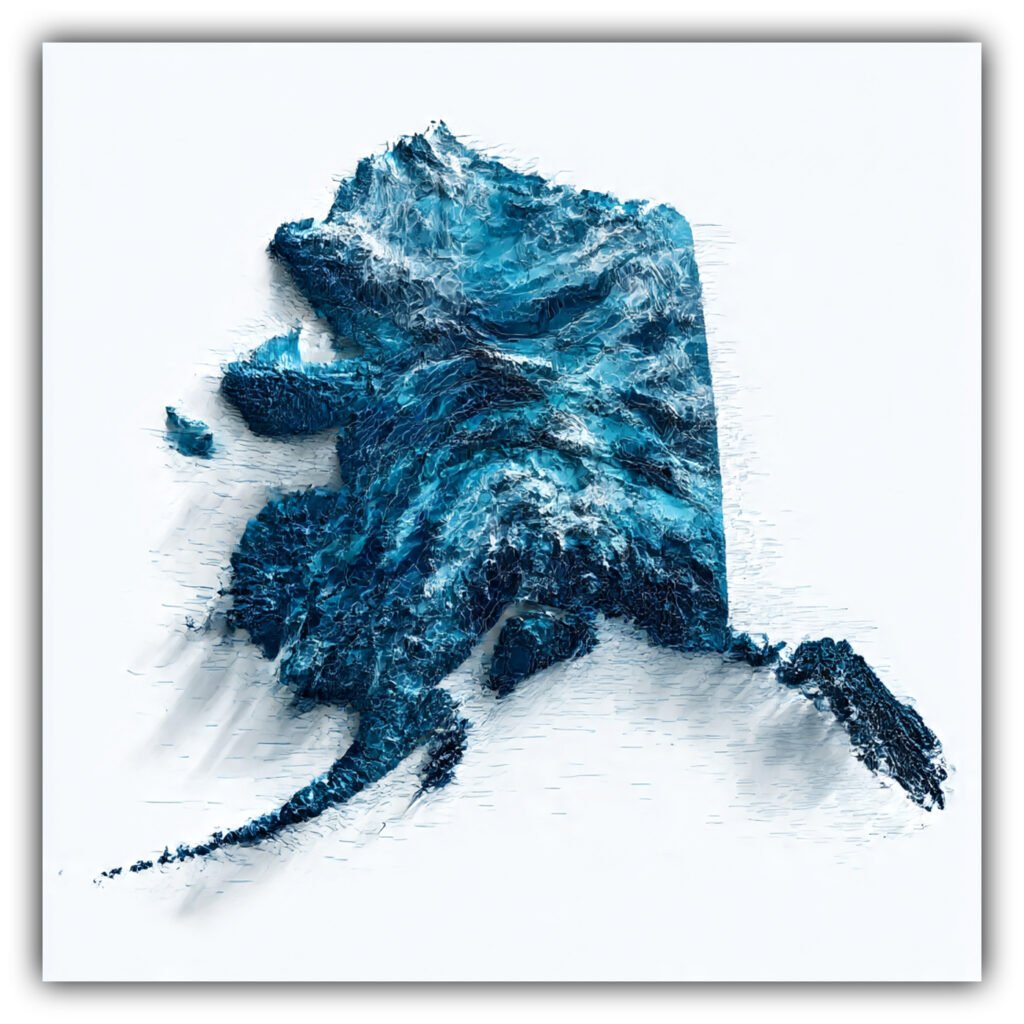
Alaska is effectively off the map for mega-stores. Alaska highways don’t carry enough traffic to justify the investment, and remote land, seasonal supply chain issues, and extreme weather make building a Buc-ee’s exponentially more expensive and logistically complex. Constructing a new location in Texas might cost $20–30 million, but in Alaska, that figure could easily double or more, depending on land, infrastructure, and the challenges of transporting materials and labor to remote locations.
A Buc-ee’s may not be in Alaska’s future, that doesn’t mean Alaskans won’t encounter the chain. Many travel to the Lower 48 for work, vacations, or road trips, and when they do, they’re likely to stop at one of the mega-stores along major interstate corridors. In that way, Buc-ee’s reaches Alaska-bound travelers without ever setting its big footprint in the Last Frontier.
Employee Policies: Phones, Tattoos, and Hair
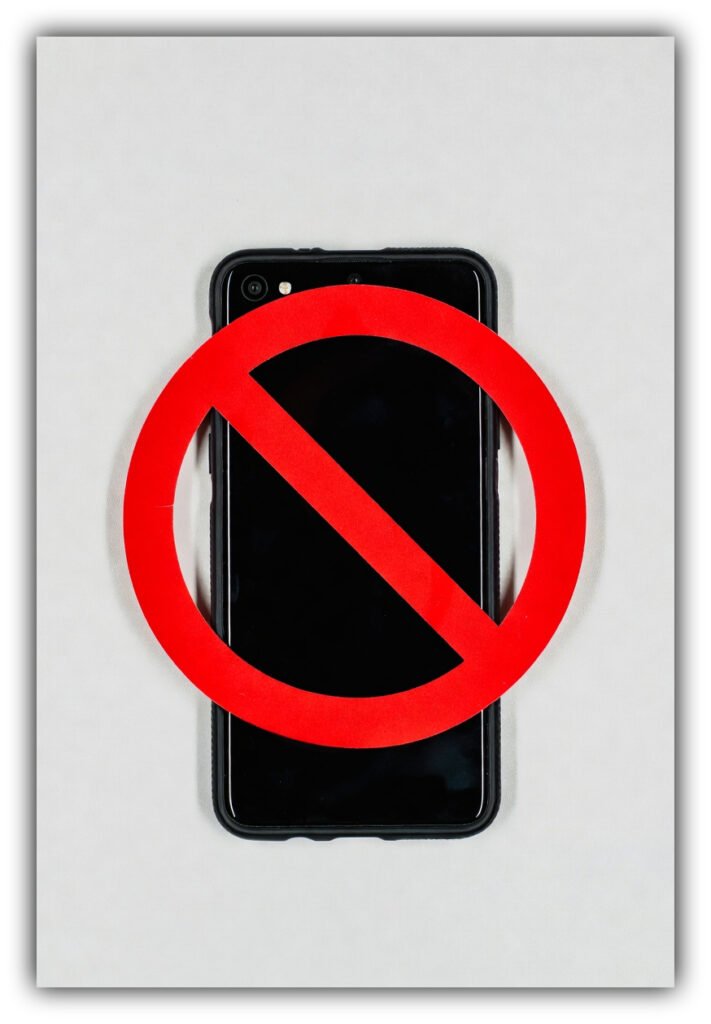
Buc-ee’s enforces strict rules that highlight its obsessive control over the in-store experience. Staff cannot have personal phones on them while working; devices must be stored away during shifts to ensure employees are fully focused on customers, merchandise, and store cleanliness. The official dress code prohibits unnatural hair colors, visible tattoos, and piercings, requiring a clean-cut, professional appearance. Uniforms, hair, and even smiles are all part of the meticulously curated brand experience, ensuring consistency at every location.
The Buc-ee’s Paradox
Buc-ee’s is F-rated by the BBB, fiercely litigious, and yet wildly loved. Visitors come for snacks, merchandise, and massive bathrooms—and leave with stories of quirky service and unexpected surprises.
Chaotic customer service meets obsessive brand control. Somehow, it works. The chain may never fix its BBB problems, and Alaska may never get a location. But Americans keep stopping, bags in hand, walking away with a Beaver-shaped reminder that some brands are bigger than their complaints.
What do you feel about this post?

Like

Love

Happy

Haha

Sad