








What Jane Q. Public Should Know About the New Epstein File Allegations and the Political Fallout
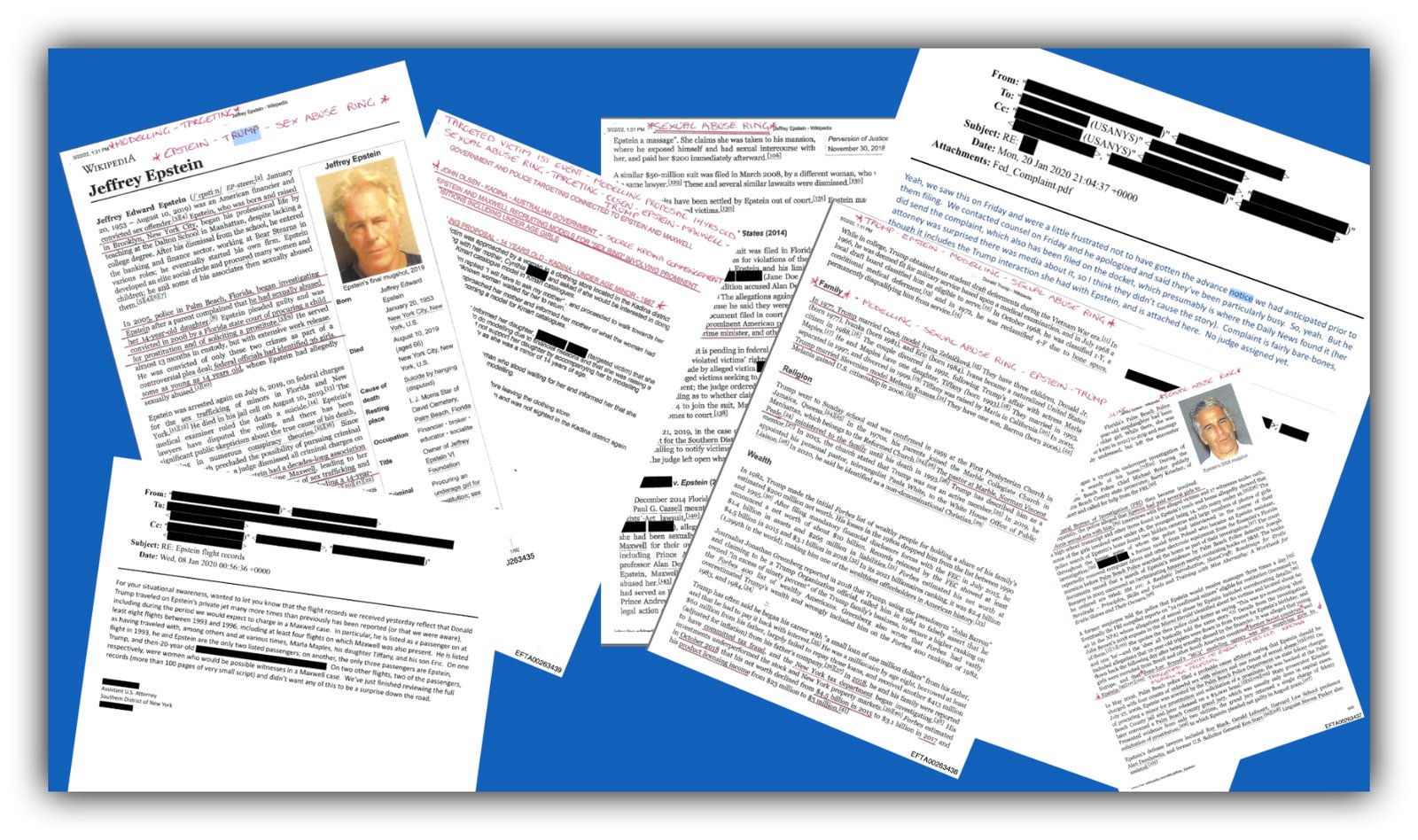
Sample pages from DOJ’s Dataset 9: Blacked-out Epstein files like these fuel the fire over withheld documents alleging abuse by President Trump, now sparking Oversight Democrats’ subpoena push. | Alaska Headline Living ©
By Gina Hill | Alaska Headline Living | March 2026
Washington’s latest political storm centers on one explosive phrase: “previously withheld Epstein files.”
On March 6, 2026, House Oversight Democrats released a sharply worded statement accusing the White House and the Department of Justice of continuing a “cover-up” involving allegations of sexual abuse against President Donald Trump. The allegations come from newly released Justice Department documents connected to the broader Jeffrey Epsteininvestigation — the infamous financier whose history of sex trafficking and powerful connections continues to make headlines years after his death.
What Democrats Say Happened
According to Oversight Democrats, the Department of Justice released part of a long-withheld batch of Epstein-related documents only after congressional pressure. The new material reportedly includes FBI interview summaries involving a witness who accused Trump of sexual abuse of an underage victim.
Sara Guerrero, spokesperson for the Oversight Democrats, said the committee still lacks access to millions of other pages and vowed to press forward with a subpoena compelling Attorney General Pam Bondi to testify under oath.
Democratic members led by Ranking Member Robert Garcia argue the DOJ has mishandled and selectively suppressed sensitive case records, from what documents were released to how the identities of sexual abuse survivors were protected (or, in some cases, not protected). They’ve also accused the Justice Department of improperly monitoring lawmakers’ search history when viewing unredacted versions of the Epstein files, a charge DOJ officials haven’t publicly confirmed.
The DOJ and White House Response
The Department of Justice has pushed back, saying the release delay wasn’t deliberate but the result of a technical mishap: some of the Trump-related documents, DOJ says, had been mistakenly tagged as duplicates in its system. Officials insist they corrected the error once it was discovered.
In a statement, the DOJ reaffirmed its goal of releasing all materials required under the Epstein Files Transparency Act—a law President Trump himself signed in 2025 mandating public access to Epstein-related records. The agency also says it has temporarily taken thousands of pages offline for redaction to protect victim privacy before reposting them.
At the White House, a spokesperson dismissed the accusations outright, calling them baseless and unsupported by credible evidence. Administration officials argue the very fact that these files are now public shows a commitment to transparency, not concealment.
Why This Matters
For everyday Americans, this situation is less about inside-the-Beltway politics and more about whether the federal government can handle sensitive information with transparency and consistency. It raises broader questions about:
- Trust in institutions: When both sides accuse each other of hiding or distorting information, public confidence takes another hit.
- Accountability and privacy: How do agencies balance transparency with protecting victims of abuse?
- Political optics: Each side is framing this fight differently. Democrats call it a “cover-up,” while the administration calls it an honest clerical mistake.
At the heart of it all is a collision between politics, justice, and the enduring stain of the Epstein scandal, a reminder of how unfinished business from the past continues to spread its taint into the present and future.
What do you feel about this post?

Like

Love

Happy

Haha

Sad