






Alaska Women Who Shaped History: Trailblazers of Faith, Justice, and Endurance
By Gina Hill | Alaska Headline Living | March 2026
Women from Alaska’s past and present have left lasting marks on civil rights, spirituality, sports, and cultural preservation. From a canonized community servant to civil rights attorneys and legendary mushers, Alaska’s history is deeply intertwined with the achievements of remarkable women.
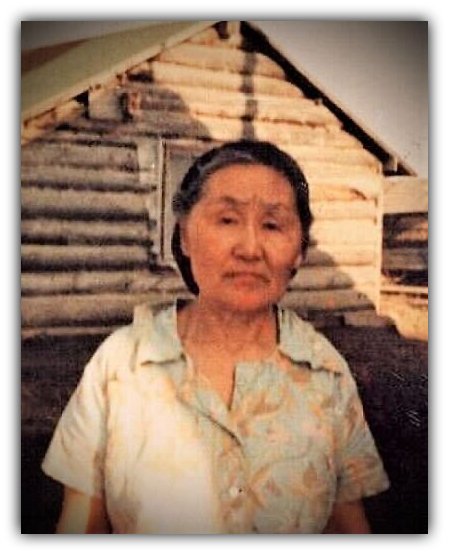
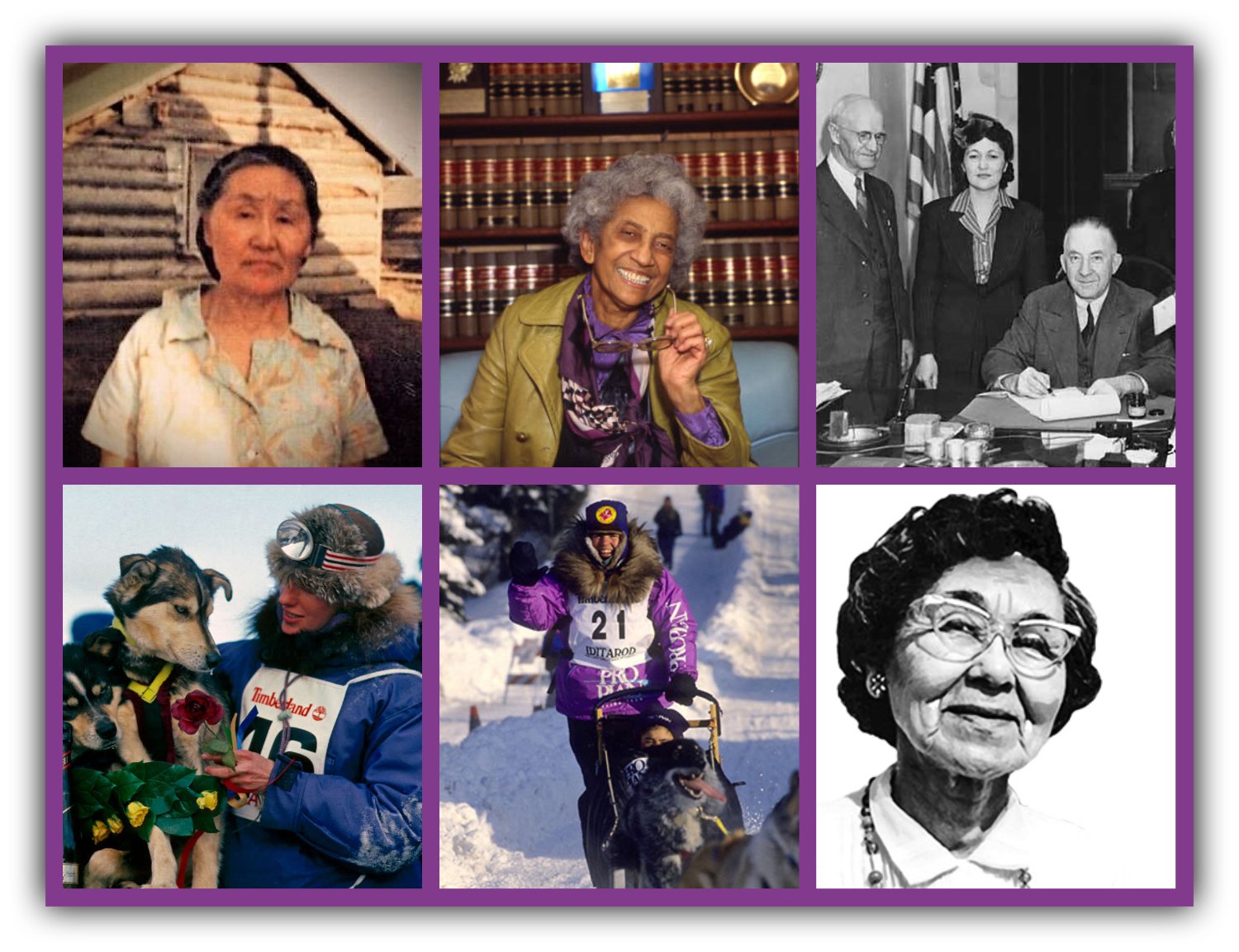
One of the most recent and widely celebrated figures is Olga Michael (1916 – 1979), now known as St. Olga of Kwethluk. Canonized in 2025, she became the first female Orthodox saint from North America. Born into the Yup’ik community, she was remembered as a midwife, counselor, and spiritual guide who served families with compassion. Her recognition reflects the importance of community-centered faith and cultural heritage in Alaska.
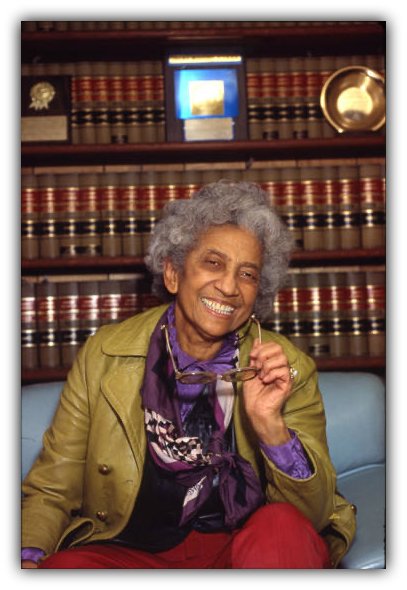
In the field of civil rights law, few figures loom larger than Mahala Ashley Dickerson (1912 – 2007). Moving to Alaska in 1958, Dickerson became the state’s first Black attorney and one of its strongest voices for equality. She fought workplace discrimination, represented marginalized clients, and spent more than five decades practicing law. Her national recognition included the American Bar Association’s Margaret Brent Award, honoring women who have made outstanding contributions to the legal profession. Dickerson’s legacy as a barrier-breaking attorney helped open doors for generations of Alaskans who followed. In a rare archival clip from the Alaska Film Archives, she reflects on moving to Alaska in 1958 and the discrimination she faced while building her career. ** Watch the video below to hear her story in her own words.
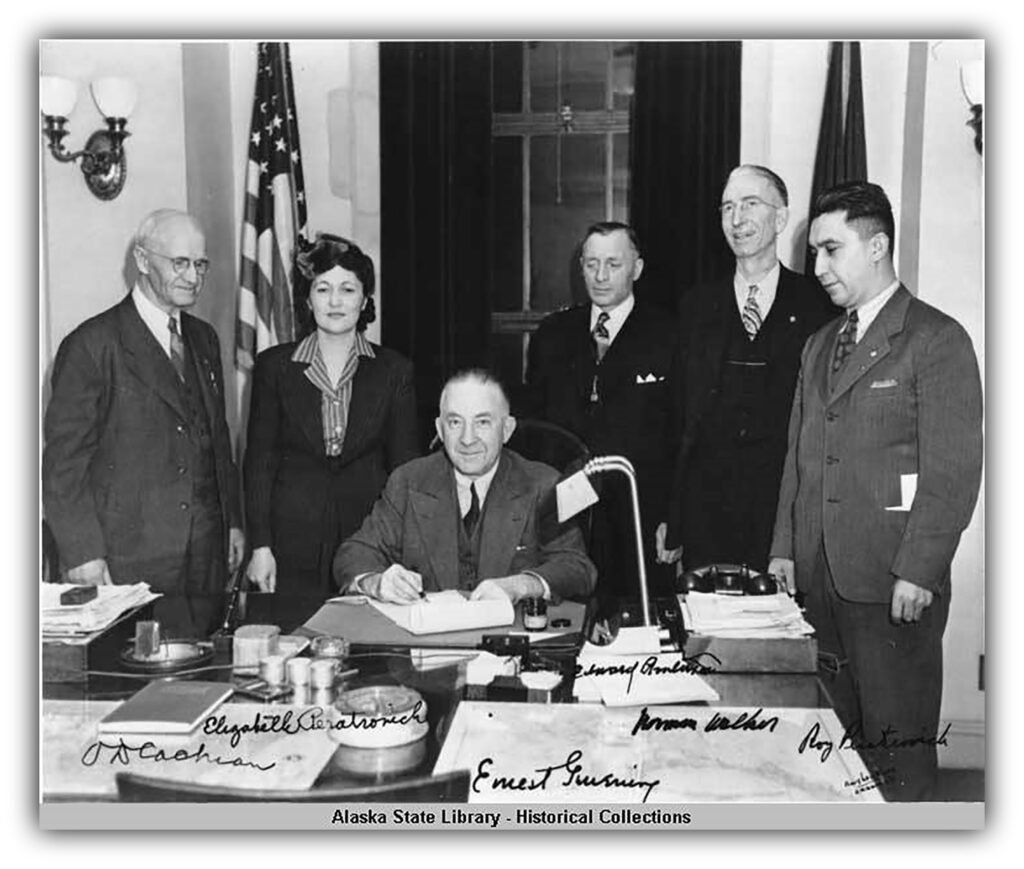
Alaska’s civil rights legacy is also carried by Elizabeth Peratrovich (1911 – 1958). A Tlingit activist, Peratrovich helped push the Alaska Territorial Legislature to pass the 1945 Anti-Discrimination Act, one of the earliest civil rights laws in the United States. Her testimony challenged segregation and helped open public accommodations to Alaska Native people.
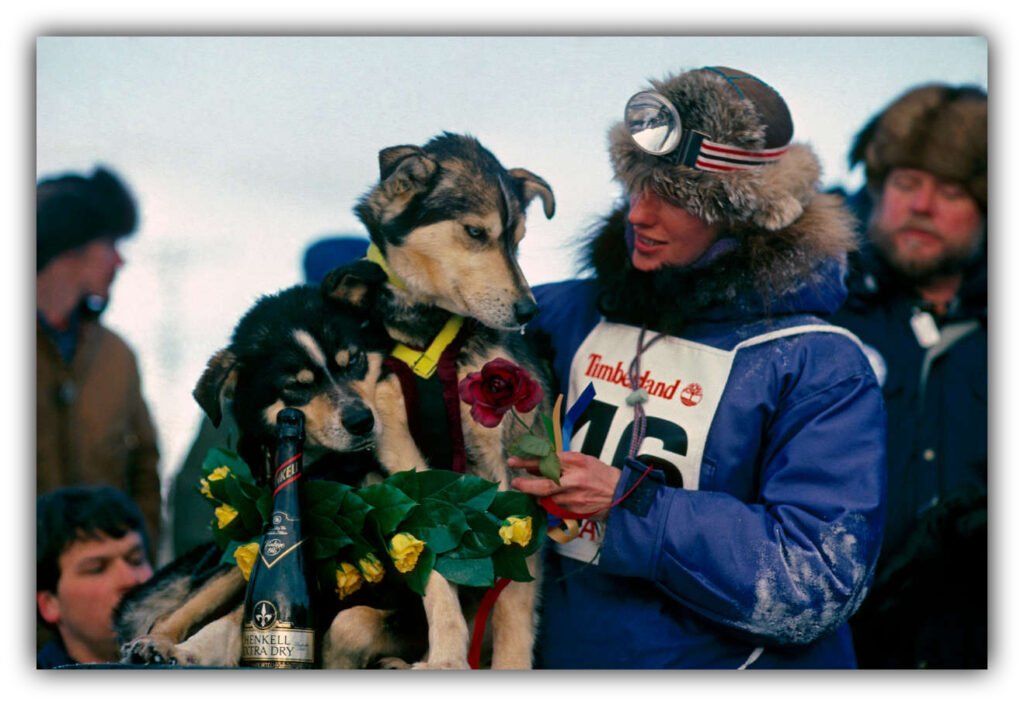
Breaking the trail for the women who followed, Libby Riddles (1956 – Present) became the first woman to win the Iditarod Trail Sled Dog Race in 1985, battling through a historic Alaska storm on her way to Nome. Her victory shattered assumptions about who could conquer the 1,100-mile race and opened the door for a new era of female champions.
Today, Riddles lives in Homer, Alaska, where she operates Blazing Kennels with a team of 28 sled dogs, continuing her lifelong commitment to the sport.
If Libby Riddles broke the barrier, Susan Butcher (1954 – 2006) built the dynasty.
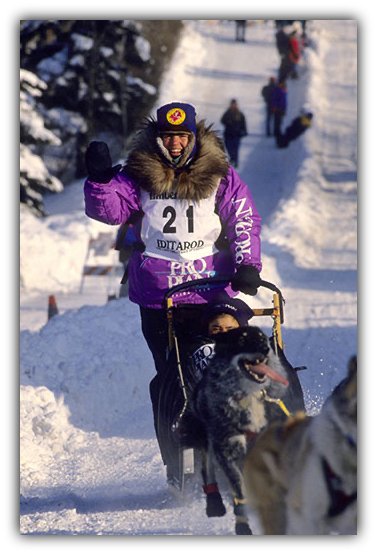
After Riddles’ historic win, Butcher dominated the Iditarod Trail Sled Dog Race throughout the late 1980s, claiming four championships between 1986 and 1990, including an unprecedented three consecutive victories.
Her relentless competitiveness, strategic precision at checkpoints, and record-setting pace cemented her reputation as one of the greatest mushers in race history. In doing so, she did more than win. She permanently reshaped expectations of women’s endurance and excellence in one of the harshest sporting arenas on Earth.
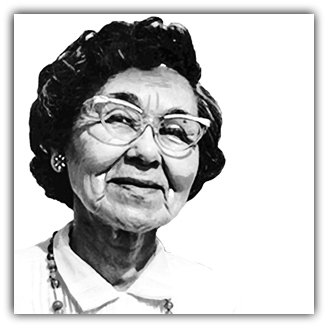
Education and cultural preservation are represented by Ticasuk Brown (1904–1982), an Iñupiaq teacher, poet, and author who worked to preserve Alaska Native language and traditions. Brown’s commitment to education and storytelling strengthened cultural identity for future generations, and her legacy continues through the Ticasuk Brown Elementary School in Fairbanks, which bears her name.
Brown was deeply committed to preserving Iñupiaq oral traditions and language, and she worked to document cultural knowledge through education and poetry. She authored works that celebrated Alaska Native history and community life, helping introduce Indigenous perspectives to broader audiences. Her efforts in cultural preservation and youth education earned her lasting recognition among Alaska Native educators.

These women represent only a portion of the powerful female legacy within Alaska’s history. From faith and civil rights to education, sport, and cultural preservation, their lives remind future generations that progress often begins with courage, compassion, and the determination to leave the world better than it was found.
Sources
- Alaska Women’s Hall of Fame
- National Park Service Alaska Women’s History resources
- Wikipedia biographies for the individuals listed above
- Anchorage Museum historical profiles
- American Bar Association award archives
What do you feel about this post?

Like

Love

Happy

Haha

Sad