









Alaska’s 2026 U.S. Senate Race Is Quietly Becoming a Ranked Choice Chess Match
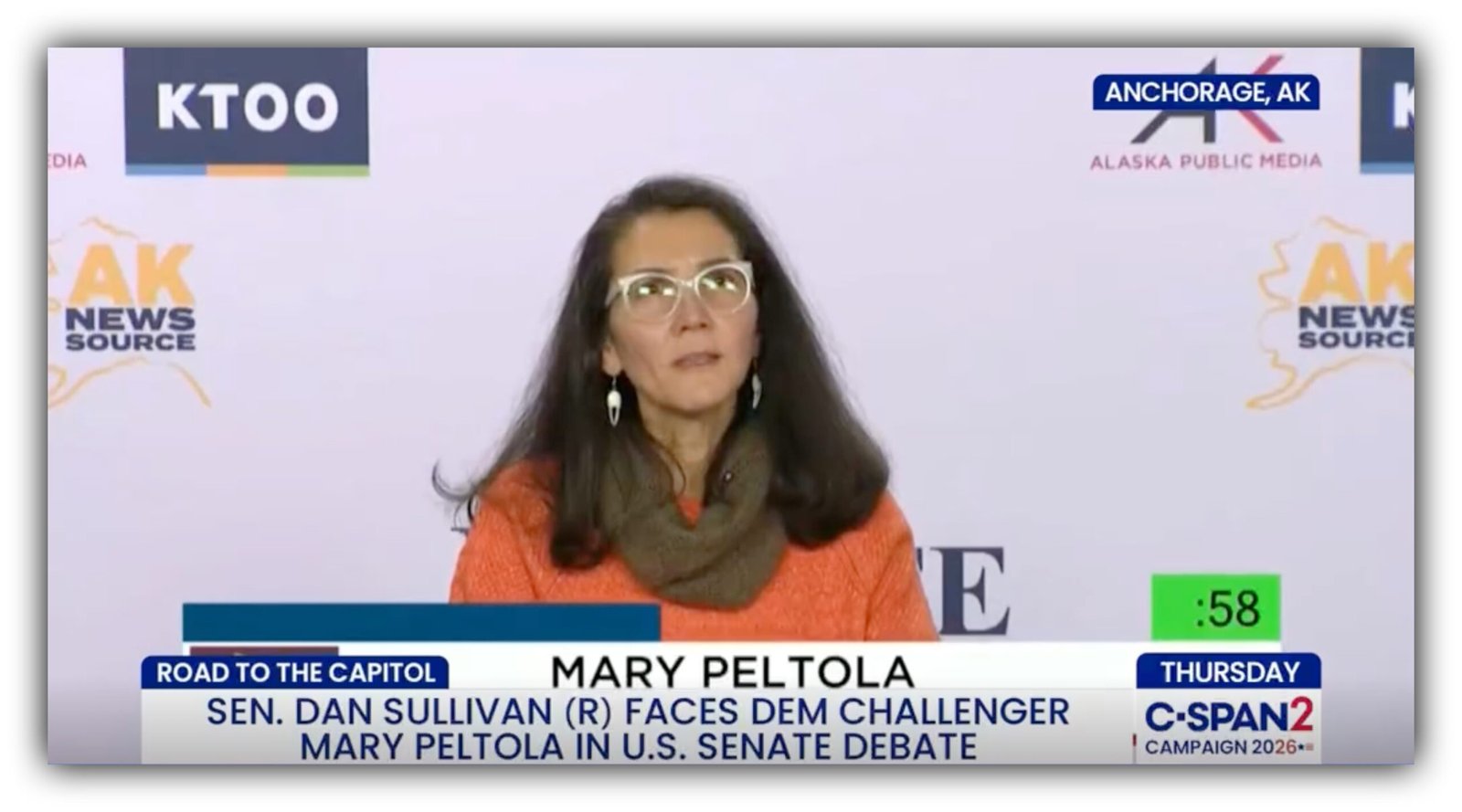
The 2026 United States Senate race in Alaska is beginning to take shape, even if it has not yet dominated national headlines. Incumbent Republican Senator Dan Sullivan is seeking a third term. Former U.S. Representative Mary Peltolahas entered the race, setting up what could become one of the most closely watched contests in a state known for political independence.
The general election is scheduled for November 3, 2026, following Alaska’s August top four primary. From there, ranked choice voting will decide the winner. That system is not a side detail. It may be the deciding factor.
Why This Race Matters More Than It Appears
Control of the U.S. Senate is expected to remain tight in 2026. Alaska does not usually top national battleground lists, but the state’s unique voting system and history of ticket splitting make it more competitive than traditional red blue labels suggest.
Early campaign activity shows Sullivan entering with institutional strength and established Republican support. Peltola brings crossover appeal and a demonstrated ability to attract independents and moderate voters. That combination, layered onto ranked choice voting, creates a dynamic that is less about base turnout alone and more about coalition building.
How Ranked Choice Voting Changes the Game
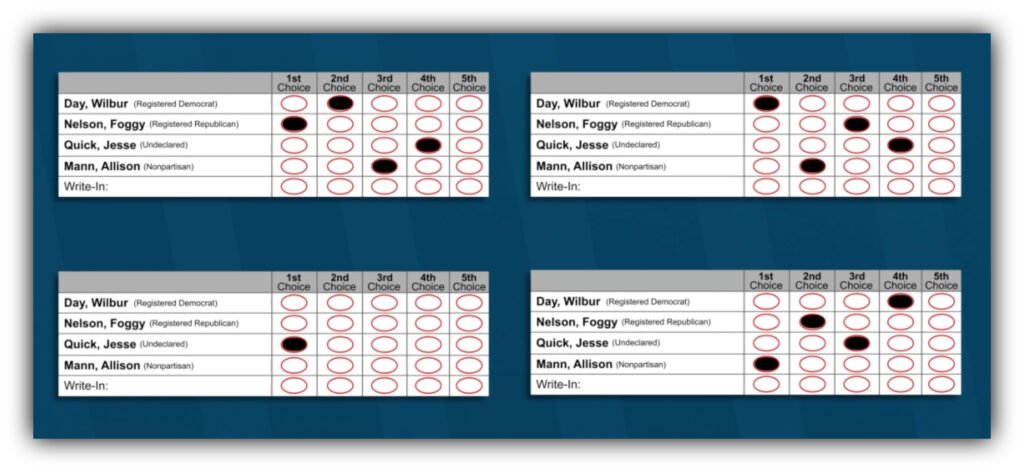
Under Alaska’s system, voters rank candidates in order of preference. If no one wins a majority of first choice votes, the candidate with the fewest votes is eliminated. Ballots for that candidate are redistributed based on the next ranked choice. The process continues until someone secures more than 50 percent of active ballots.
This means a candidate does not need to lead in the first round to win.
It also means campaigns must think beyond energizing their core supporters. They need to be acceptable to voters whose first choice may be someone else.
A Hypothetical Scenario

Imagine a four candidate general election with 300,000 total votes:
First round:
Sullivan: 120,000
Peltola: 105,000
Candidate C: 45,000
Candidate D: 30,000
No majority. Candidate D is eliminated.
If most of D’s voters prefer Sullivan as their second choice, he widens his lead and may eventually cross the majority threshold after the next elimination.
But flip the redistribution.
If D’s voters break heavily toward Peltola and Candidate C’s voters also lean her direction in the next round, she could overtake Sullivan despite starting 15,000 votes behind.
In ranked choice voting, being many voters’ second choice can be more powerful than being a narrow plurality leader in round one.
The Strategic Implications
This system rewards:
Broad appeal over ideological rigidity
Coalition building over base only messaging
Careful tone that does not alienate potential second choice voters
It also introduces the factor of ballot exhaustion. If voters rank only one candidate and that candidate is eliminated, their ballot no longer counts in later rounds. Campaigns must therefore educate voters not just on who to support, but on how to vote strategically within the system.
In practical terms, the 2026 race may hinge less on which candidate excites their base most and more on which candidate can answer a quieter question:
Who is the acceptable alternative?
Alaska voters have a history of independence. Ranked choice voting amplifies that independence. The candidate who builds the broadest coalition, not just the loudest one, will likely prevail.
Alaska rarely plays the loudest opening move in national politics, but its Senate race could become a midgame position that decides larger control.
What do you feel about this post?

Like

Love

Happy

Haha

Sad