








Keep Hope Alive: The Life and Legacy of Rev. Jesse L. Jackson Sr.
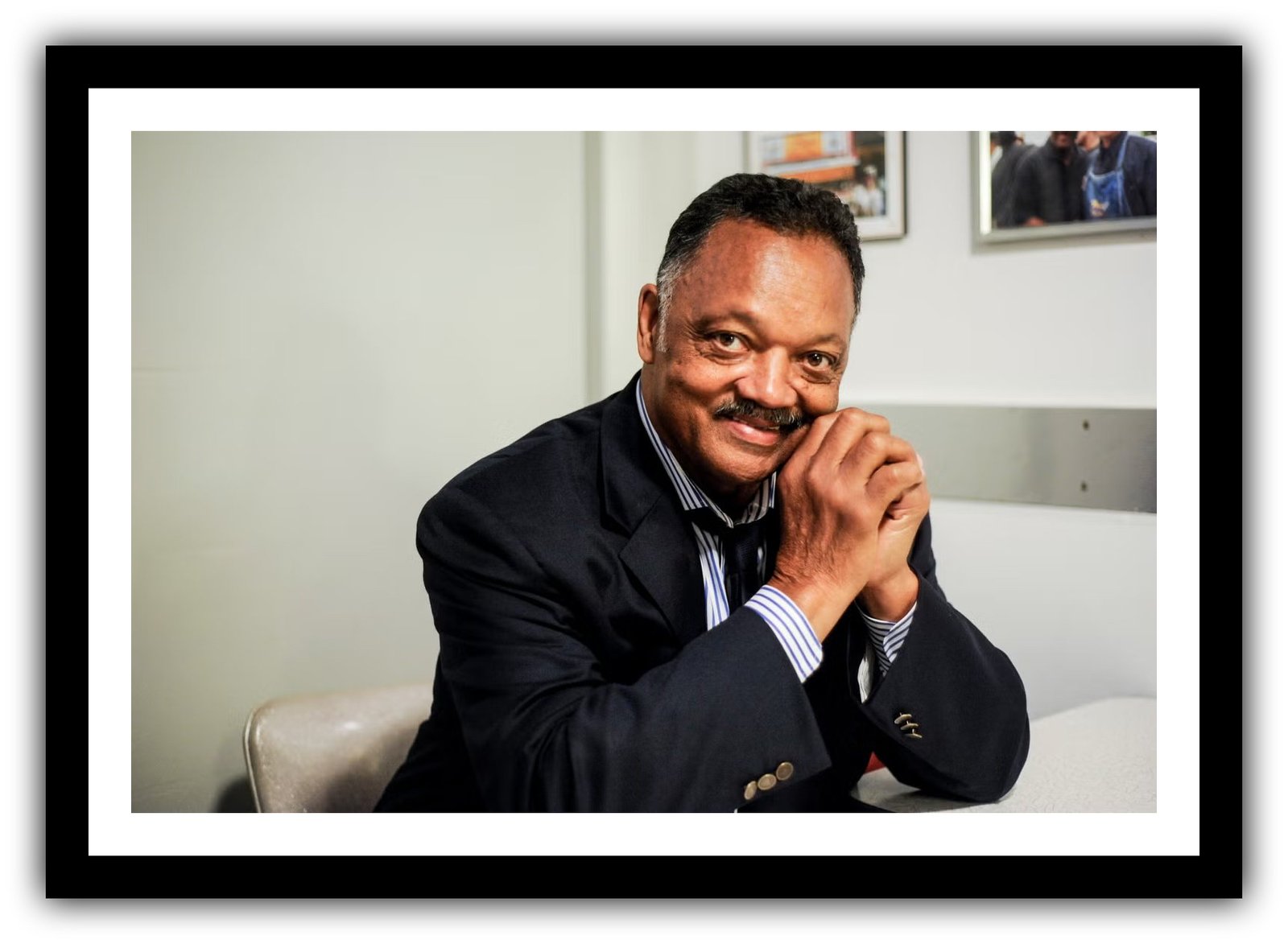
Rev. Jesse Jackson, Sr., captured in recent years, dedicated his life to civil rights, equality, and justice. ‘His vision of justice, equality, and unity will live on,’ his family said, and former President Obama called him “a true giant.”
By Gina Hill | Alaska Headline Living | February 2026
The Rev. Jesse Jackson, a towering figure of the modern civil rights movement who carried the torch of economic and racial justice into the political mainstream, has died at 84. His family confirmed he passed peacefully on the morning of Feb. 17, 2026, surrounded by loved ones, closing a chapter that stretched from the front lines of the 1960s freedom struggle to the national political stage and beyond.
In a statement released by the family through the Rainbow PUSH Coalition, they said:
“With profound sadness, we announce the passing of Reverend Jesse L. Jackson, Sr., an iconic figure in the fight for civil rights, international justice, and human dignity. His vision of justice, equality, and unity will live on through the countless lives he touched.”
For more than six decades, Jackson dedicated his life to advancing equality, dismantling systems of oppression, and amplifying the voices of the underserved. He was a man of the people, welcomed in even the most rural areas, whether serving the impoverished or bringing guidance to hostage negotiations with world leaders. His advocacy extended beyond American soil, championing human rights struggles on a global scale. He earned recognition as a humanitarian and world leader while remaining deeply committed to his family as a husband, father, grandfather, and spiritual guide.
From the Movement to the National Stage
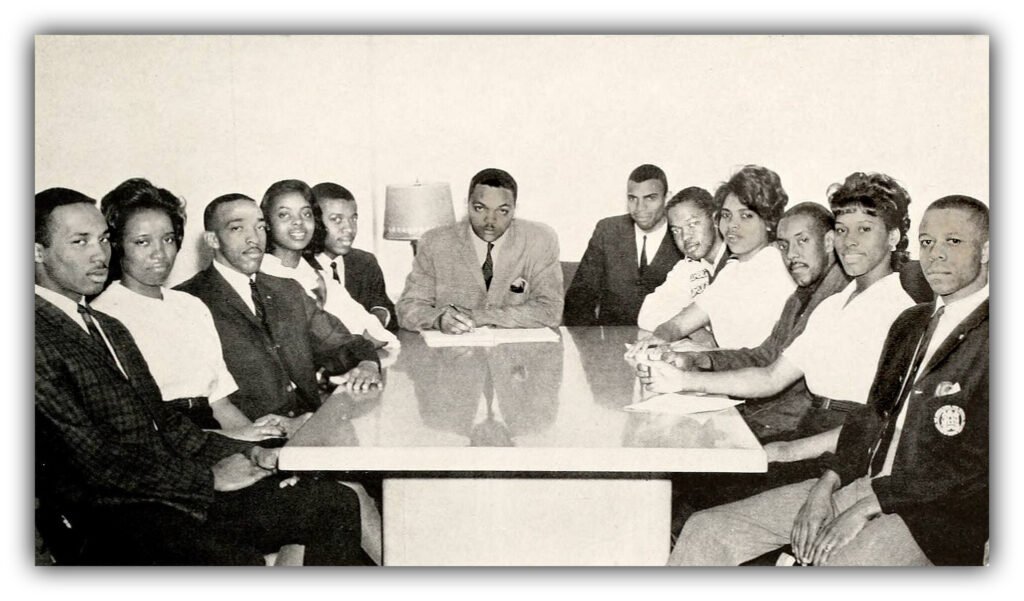
Born in Greenville, South Carolina, in 1941, Jackson graduated from public schools in Greenville before attending the University of Illinois on a football scholarship. He later transferred to North Carolina A&T State University, graduating in 1964, and began theological studies at Chicago Theological Seminary. He deferred these studies to work full-time in the Civil Rights Movement with Martin Luther King Jr., and was ordained on June 30, 1968, by Rev. Clay Evans, completing his Master of Divinity in 2000.
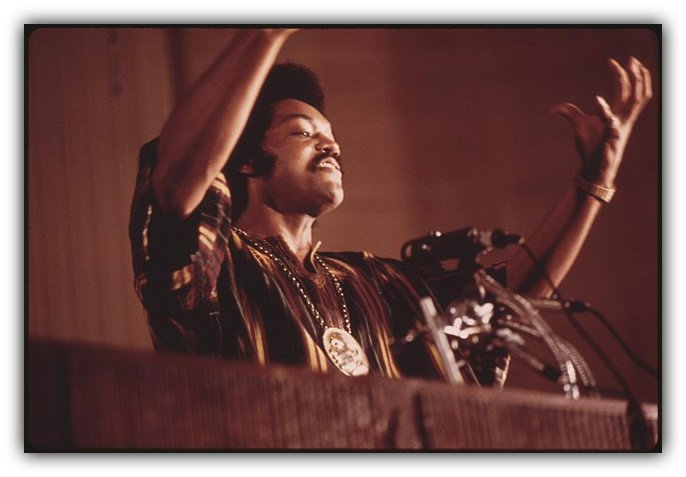
Jackson founded Operation PUSH (People United to Save Humanity), later merging it into the Rainbow PUSH Coalition. Through the Coalition, he expanded civil rights beyond racial equality to include economic empowerment, corporate accountability, voting access, and global human rights advocacy. He insisted civil rights without economic justice was incomplete, a conviction that defined his life’s work.
Breaking Barriers in Presidential Politics
Jackson made history with his Democratic presidential campaigns in 1984 and 1988. At a time when a viable Black presidential contender seemed unlikely, he built a multiracial coalition he called the “Rainbow Coalition,” reshaping the Democratic Party’s platform and registering millions of new voters.
1988 Democratic National Convention Speech
🎥 Watch Rev. Jackson deliver his 1988 Democratic National Convention address, urging Americans to unite and “keep hope alive.”
1984 Rainbow Coalition Speech
🎥 Watch Rev. Jackson’s 1984 Democratic Convention Speech introducing the Rainbow Coalition.
Jackson’s speeches are preserved in multiple archives, including full transcripts on American Rhetoric and PBS Frontline, and raw footage at the American Archive of Public Broadcasting, offering a direct window into his rhetoric and vision.
A Global Advocate
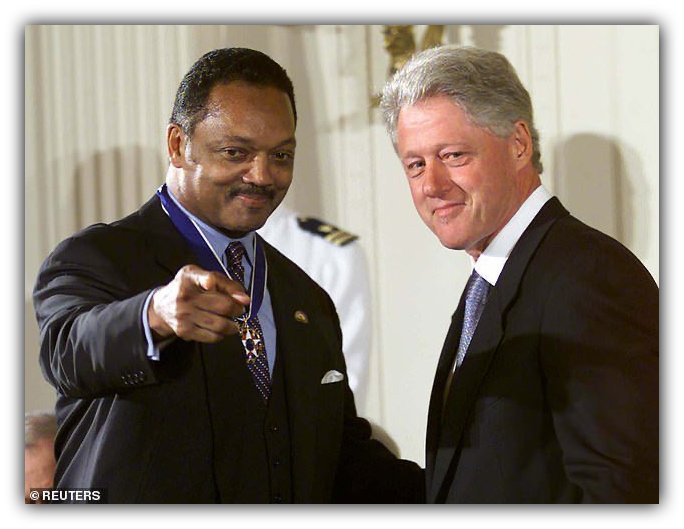
Beyond U.S. politics, Jackson served as a diplomatic intermediary in international crises and as a special envoy to Africa under President Bill Clinton. He negotiated hostage releases, advocated for sanctions against apartheid South Africa, and pushed American corporations to confront discriminatory practices. His influence stretched from campaign rallies and church pulpits into boardrooms and foreign capitals.
Health Battles and Final Years
In later life, Jackson publicly faced serious health challenges, including Parkinson’s disease and progressive supranuclear palsy. Even as his mobility declined, he remained symbolically powerful, appearing at civil rights commemorations and political events as a living link between eras.
Honoring His Legacy
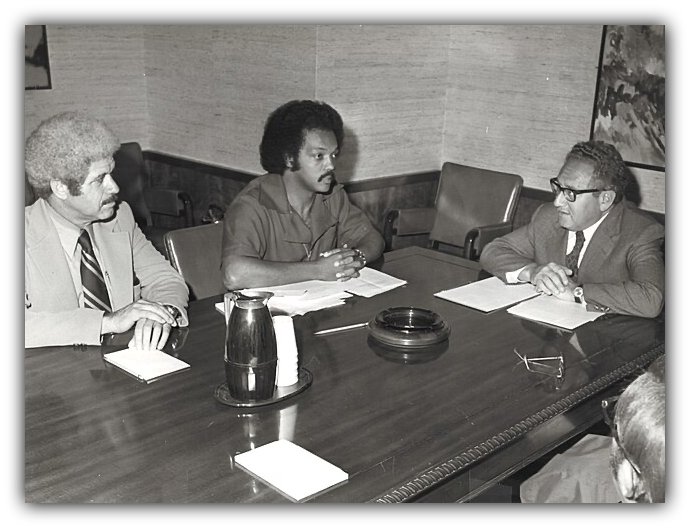
Jackson’s legacy is layered. He was a bridge between generations of activists, expanding the definition of civil rights to include economic fairness and political representation. He pushed the Democratic Party toward a broader coalition and inspired future candidates who would follow paths once thought impossible. Critics challenged him over the decades, and controversies marked parts of his public life, but leadership at his scale is rarely simple. What remains clear is that he forced conversations America could not ignore.
Statement from Former President Barack Obama:
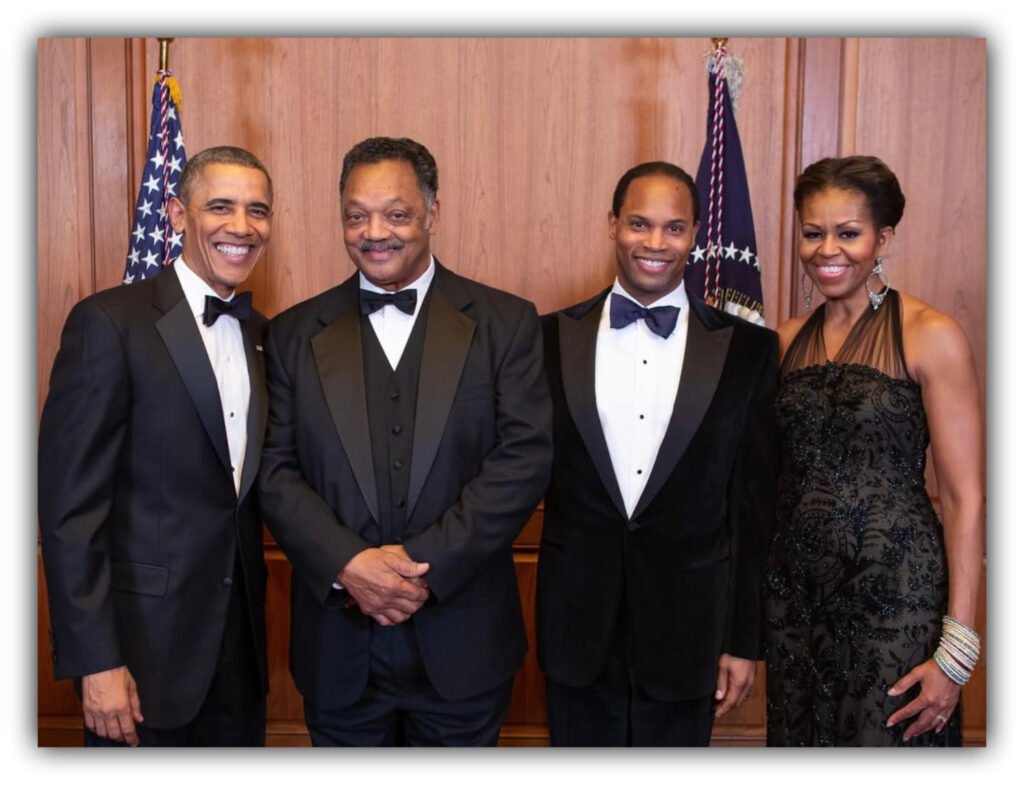
“Michelle and I were deeply saddened to hear about the passing of a true giant, the Reverend Jesse Jackson. We will always be grateful for Jesse’s lifetime of service, and the friendship our families share. We stood on his shoulders. We send our deepest condolences to the Jackson family and everyone in Chicago and beyond who knew and loved him.”
— Barack Obama, X Post
Primary Sources to Explore
For those researching Jackson’s life and ideas:
- 1988 DNC Speech Transcript: American Rhetoric
- 1984 Rainbow Coalition Speech Transcript: American Rhetoric
- PBS Frontline Speech Archives: Frontline Transcript
- Rainbow PUSH Coalition Archives: History and founding documents
- American Archive of Public Broadcasting: Raw footage of Jackson speaking
Funeral Arrangements
The family has announced that funeral arrangements and public celebration of life services will be shared in the coming days. Updates will be posted at www.jessejacksonlegacy.com and www.rainbowpush.org.
Final Reflection
History will remember Jesse Jackson as a persistent agitator for justice who refused to accept the limits placed before him. He insisted that democracy expand. He insisted that the excluded be seen. He insisted that hope was not naive but necessary.
He lived those principles loudly and clearly, leaving behind a movement, a political blueprint, and a simple, enduring call:
Keep hope alive. 🌈
What do you feel about this post?

Like

Love

Happy

Haha

Sad