








Wisconsin Airport Measles Exposure Raises Travel Concerns as Alaska Reports Zero Cases in 2026
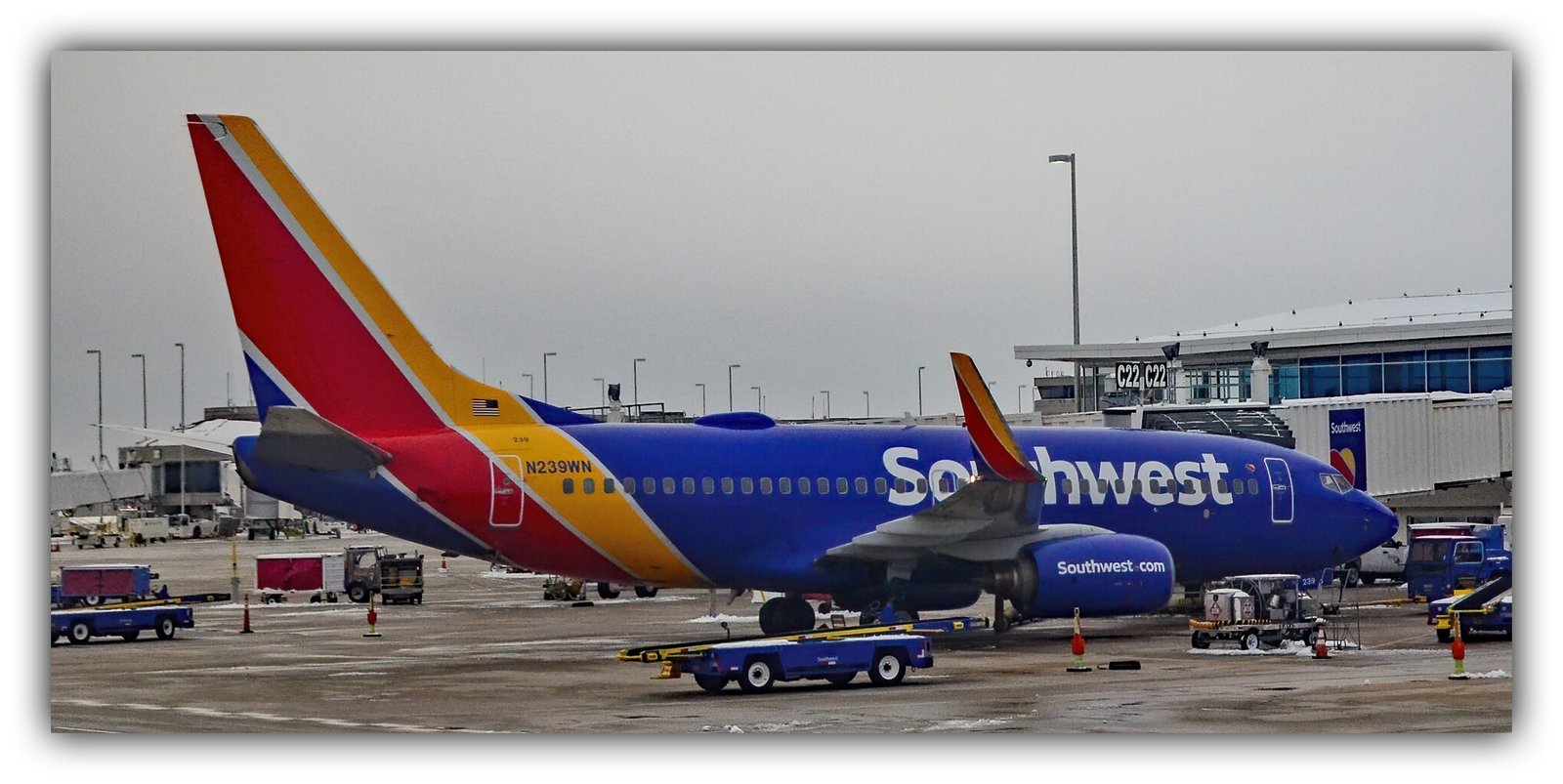
Health officials are investigating a possible measles exposure linked to air travel through Milwaukee Mitchell International Airport and are urging travelers who were present in late January to check their vaccination status and monitor for symptoms. Photo: TDelCoro.
By Gina Hill | Alaska Headline Living | February 2026
A confirmed measles case tied to air travel through Milwaukee Mitchell International Airport is prompting health warnings in Wisconsin, as Alaska reports no confirmed measles cases so far this year, according to the Centers for Disease Control and Prevention.
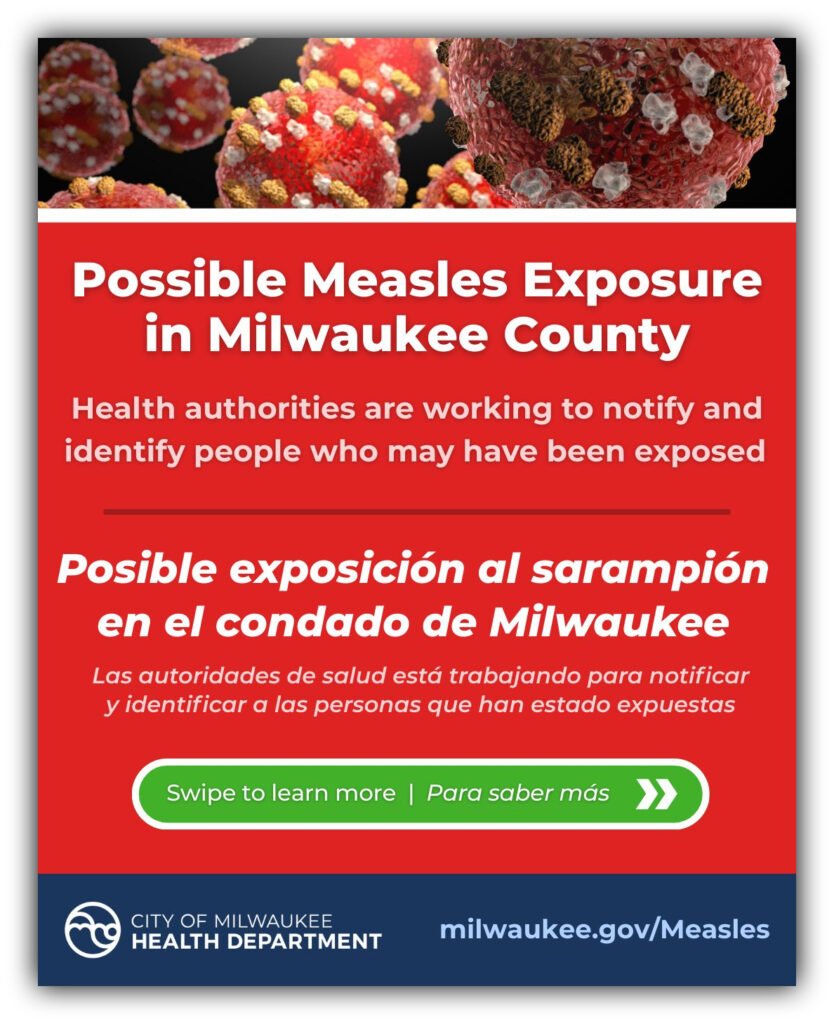
Wisconsin health officials say the case involves a traveler exposed out of state who passed through Milwaukee County. People who flew on Southwest Airlines Flight WN 266 from Phoenix or were inside Milwaukee Mitchell International Airport between 10:31 p.m. and 12:31 a.m. on January 29 may have been exposed. Those individuals are urged to check their measles, mumps, and rubella vaccination status and monitor for symptoms through February 19. Anyone who develops symptoms is advised to call a medical provider before seeking care.
The Wisconsin case is part of a broader national resurgence. As of February 5, 2026, the CDC reports 733 confirmed measles cases nationwide this year. Wisconsin is among 20 states reporting cases in 2026. About 92 percent of cases are linked to outbreaks, many of which began in 2025.
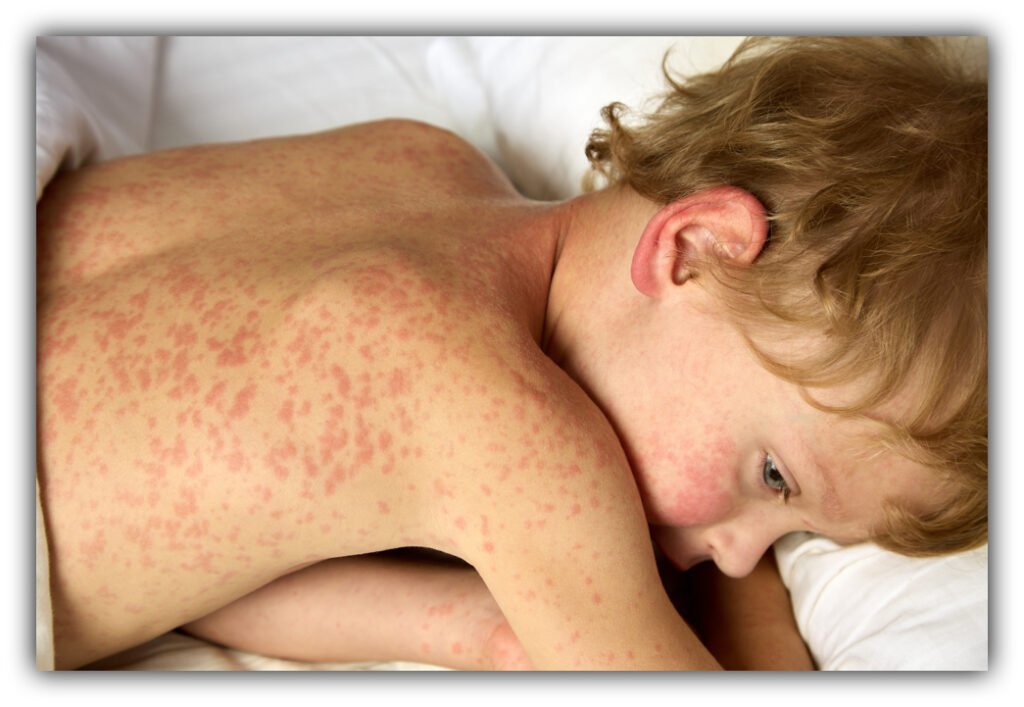
Alaska is not currently reporting measles cases in 2026. However, the state was among those affected during 2025, when the U.S. recorded 2,276 confirmed cases, the highest total in years. That surge included 49 outbreaks, with nearly nine in ten cases tied to outbreak activity.
Public health officials say travel-related cases like the one in Wisconsin often serve as early warning signs. Measles spreads easily through the air and can linger in enclosed spaces like airports long after an infected person leaves. The CDC reports that 95 percent of 2026 cases occurred in unvaccinated people or those with unknown vaccination status.
Nationally, MMR vaccination coverage among kindergarteners has dropped below the 95 percent threshold needed for herd immunity, increasing the risk of rapid spread when the virus is introduced into communities.
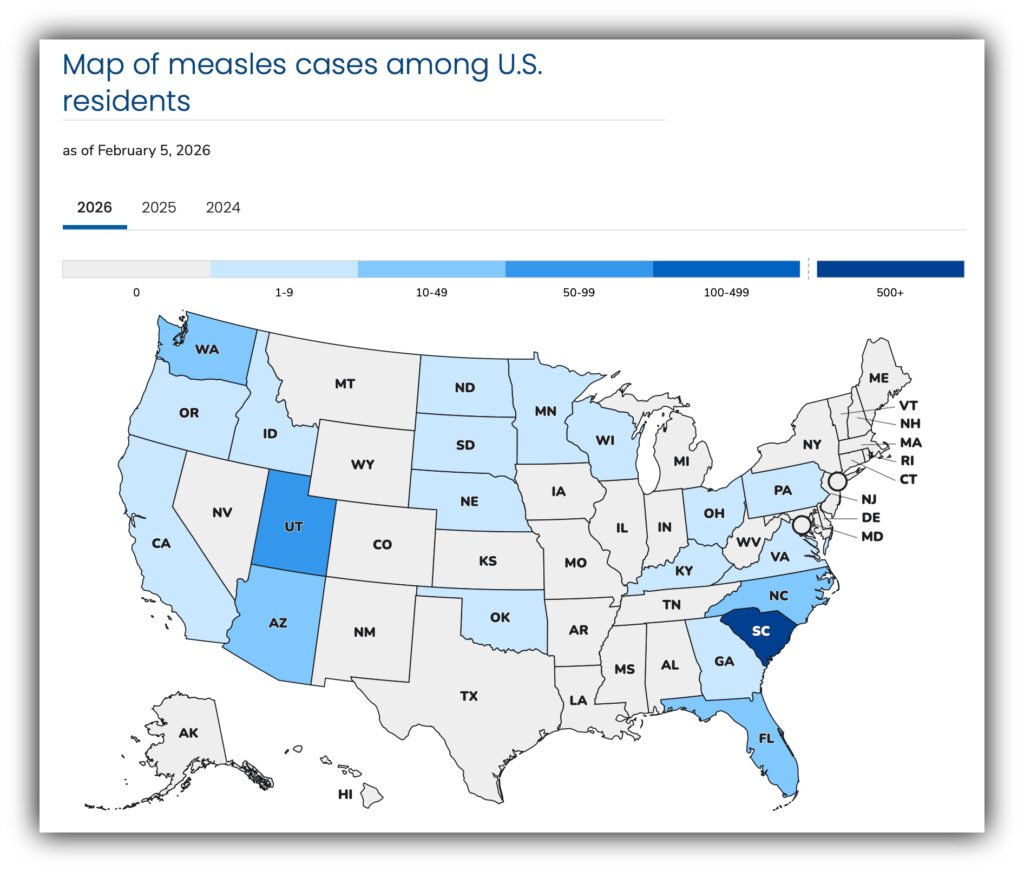
While Alaska has avoided cases so far this year, health officials say continued outbreaks in other states mean the risk of importation remains, particularly through air travel. Vaccination and early symptom recognition remain the primary tools to prevent the virus from gaining a foothold.
What do you feel about this post?

Like

Love

Happy

Haha

Sad