







PolarNOx Rocket Launches from Alaska to Track Mysterious Upper-Atmosphere Gas
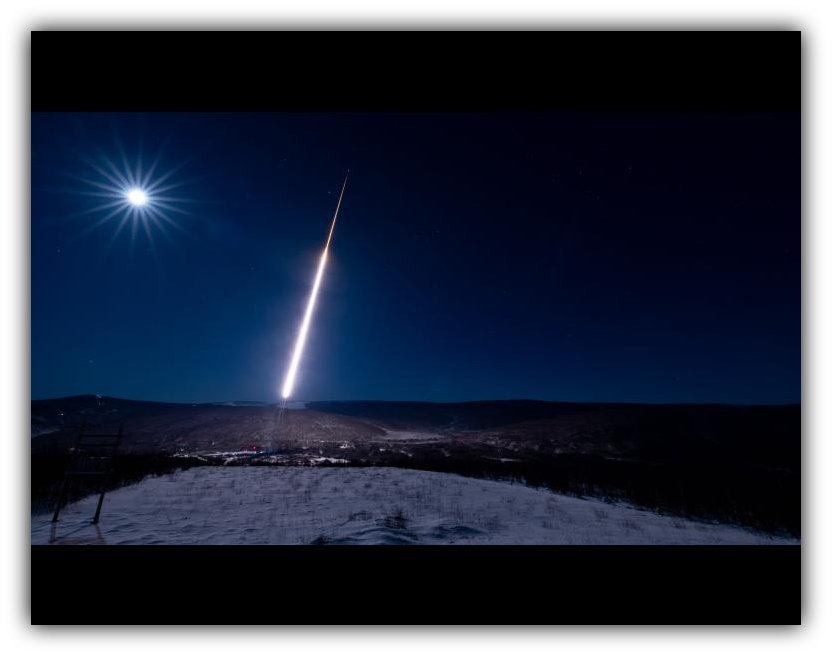
A two-stage NASA sounding rocket launches from Poker Flat Research Range at 4:20 a.m. on Jan. 30, 2026, as part of a Virginia Tech project studying nitric oxide produced by the aurora. Photo by Brian Whitten. Source: Geophysical Institute, University of Alaska Fairbanks.
PolarNOx rockets into the Alaskan night, carrying instruments to study nitric oxide high in the atmosphere. Source: Poker Flat Research Range / Poker Flats Research Range
By Gina Hill | Alaska Headline Living | February 2026
Last Friday, scientists at the Poker Flat Research Range in Alaska launched a rocket carrying the PolarNOx mission into the polar night sky. PolarNOx, short for Polar Night Nitric Oxide, is designed to measure a little-known gas called nitric oxide (NO) high above the Earth, where the auroras dance.
Watch the launch:
Meet the Scientist Behind PolarNOx
The mission is led by Scott Bailey, a physicist and atmospheric researcher at Virginia Tech. He’s been studying the upper atmosphere and auroras for years, focusing on how chemical changes high above the Earth, like nitric oxide, can ripple down and affect life on the planet below.

Bailey and his team have flown previous PolarNOx missions, using rockets to carry instruments above most of the atmosphere so they can take direct measurements of NO during the polar night. For him, missions like this aren’t just about collecting data. They’re about understanding how natural processes high in the atmosphere protect life on Earth. For scientists, there’s nothing quite like launching a rocket into the quiet, aurora-lit skies of Alaska.
How This Rocket Helps Protect Life on Earth
Nitric oxide may sound small and harmless, but it plays an important role in the upper atmosphere and what happens up there can ripple down to affect life on the ground.
- Ozone protection: Nitric oxide interacts with ozone, the layer that shields us from harmful ultraviolet rays. Understanding how NO behaves helps scientists track how the ozone layer stays healthy.
- Weather and climate: Even tiny chemical changes high above can influence temperature patterns and weather down here. Data from PolarNOx helps make climate and atmospheric models more accurate.
- Tech safety: Solar storms and auroras affect the upper atmosphere. These events can mess with GPS, satellites, aviation, and power grids. By studying NO during auroras, scientists can better predict and protect against these disruptions.
- Pollution tracking: Measuring natural NO cycles helps scientists separate natural changes from human-caused pollution, giving a clearer picture of what’s happening in our atmosphere.
Why the Ozone Layer Matters to You
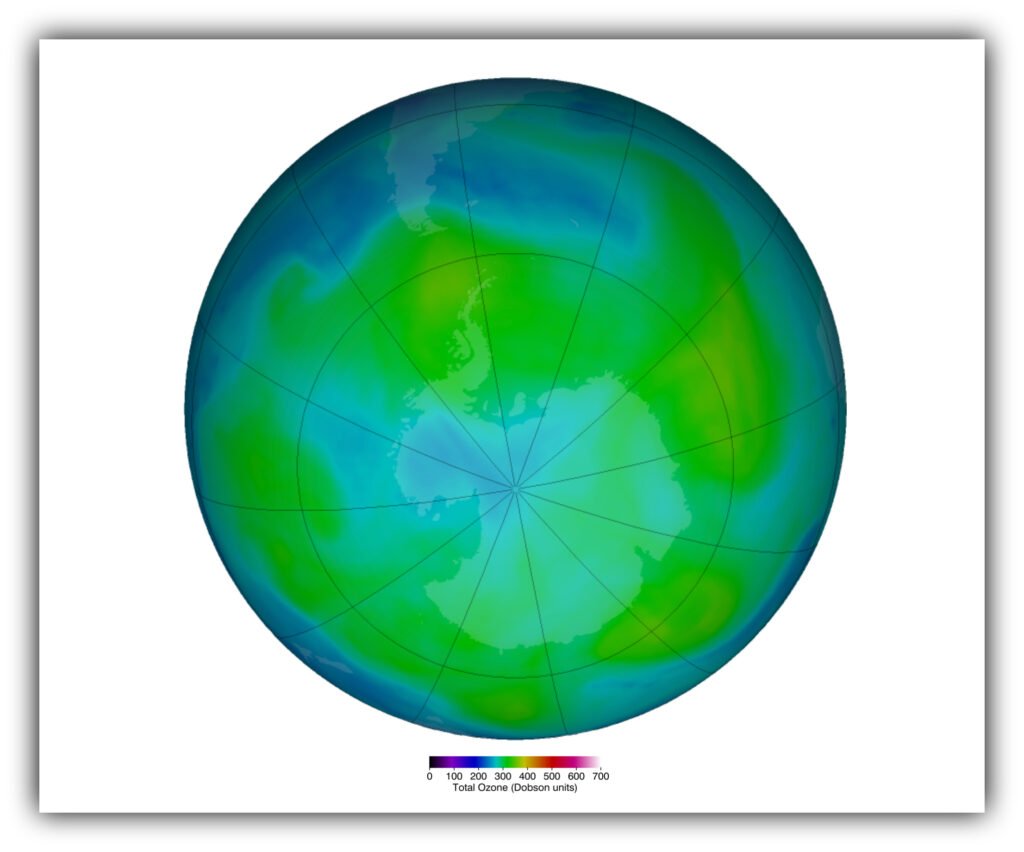
The ozone layer is like Earth’s sunscreen. Without it, harmful UV rays would reach the surface and cause serious problems:
- Increased risk of skin cancer, sunburn, and eye damage
- Weakening of human and animal immune systems
- Harm to plants and crops, which could reduce food supplies
- Damage to ocean plankton, disrupting the marine food chain
- Potential changes to weather and climate patterns
- Broader impacts on ecosystems, from insects to large predators
Studying gases like nitric oxide helps scientists understand how this protective shield stays strong—and what could happen if it’s not.
The 2026 PolarNOx flight is part of a busy season at Poker Flat, with more NASA rockets scheduled to launch in February to study auroras and the ionosphere. Scientists are now analyzing the data from this launch, which will help answer key questions about the chemistry of Earth’s upper atmosphere and how it affects the planet below.
Even though PolarNOx flies tens of miles above us, the information it collects touches our daily lives from the air we breathe to the tech we rely on, and even the sunlight that reaches us safely.
Looking Ahead
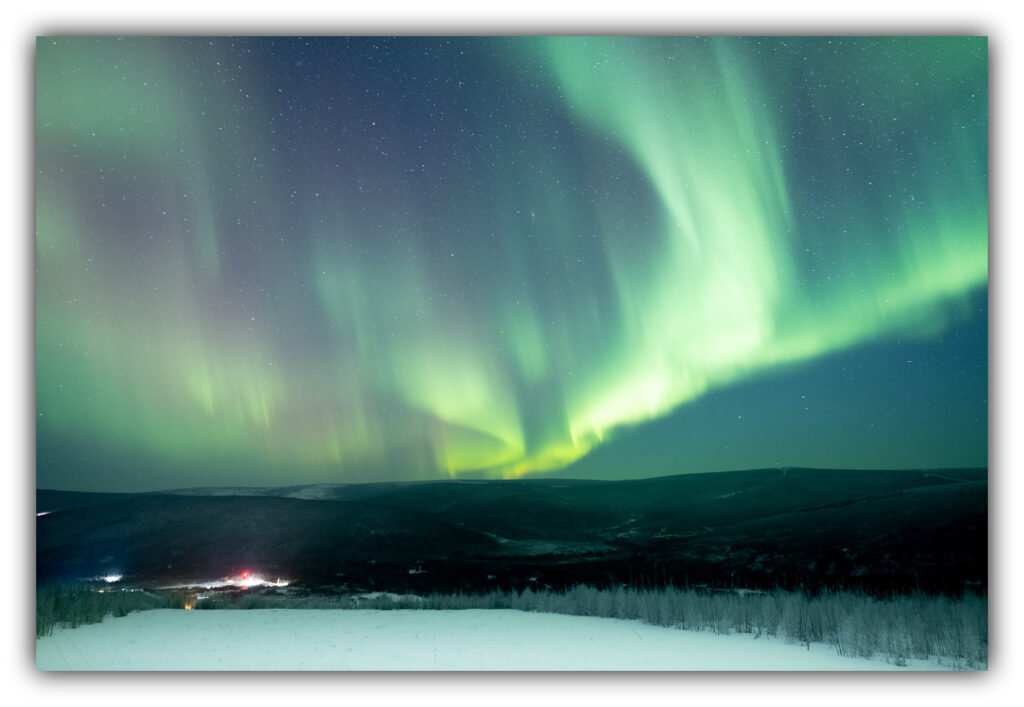
In the 2026 Poker Flat launch season, scientists are preparing multiple NASA Black Brant 9 rocket missions for February 7, 2026 aimed at further probing Earth’s upper atmosphere and auroral processes. One of these missions is the Black and Diffuse Aurora Science Surveyor (BaDASS), led by Marilia Samara of NASA’s Goddard Space Flight Center, which will seek to understand the origins of the elusive “black aurora,” a faint dark feature within the northern lights.
Two nearly simultaneous Black Brant 9 flights will carry the Geophysical Non-Equilibrium Ionospheric System Science (GNEISS) experiment, led by Dartmouth College physicist Kristina Lynch, to study how disturbances in the ionosphere bend and warp auroral structures. Together these missions will continue building a detailed picture of how Earth’s atmosphere reacts to space weather during active aurora conditions.
References
- Virginia Tech – Scott Bailey, Atmospheric Researcher
- Poker Flat Research Range, “Active Missions”
- Alaska Native News, “First Rocket of 2026 Takes Flight at Poker Flat,” Jan 30, 2026
- YouTube – PolarNOx Launch Video
What do you feel about this post?

Like

Love

Happy

Haha

Sad