




The Epstein Files: Secrets, Scandals, and the Global Web of Influence
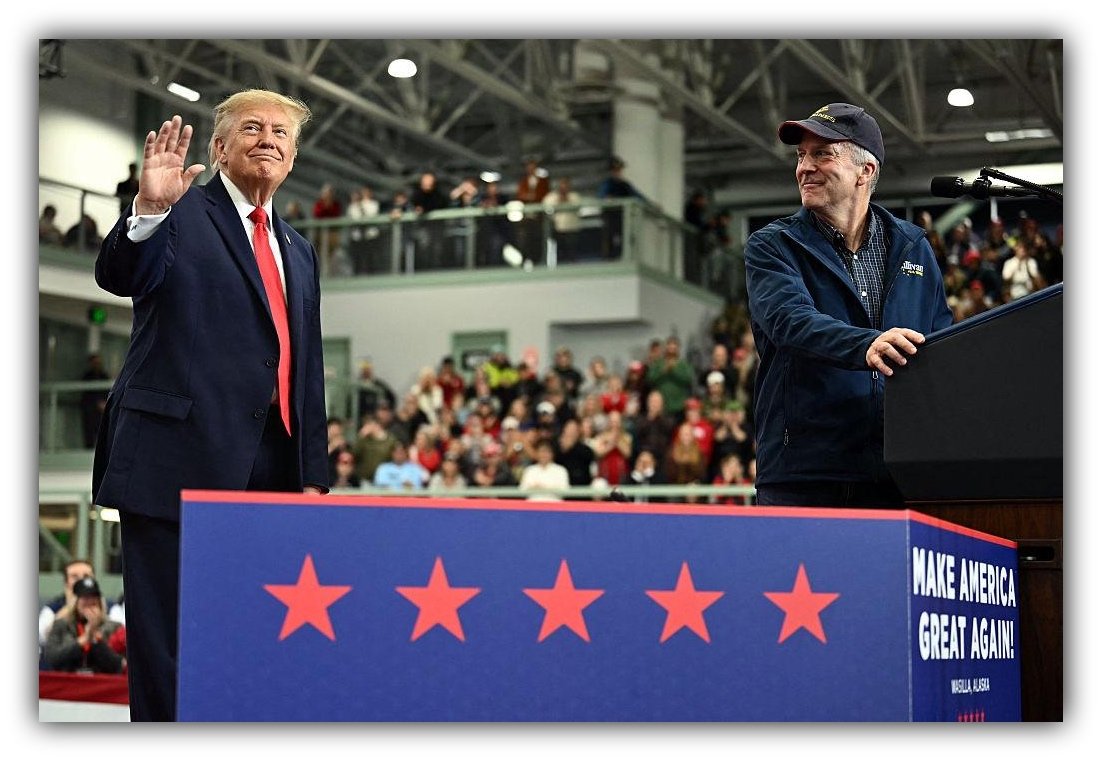
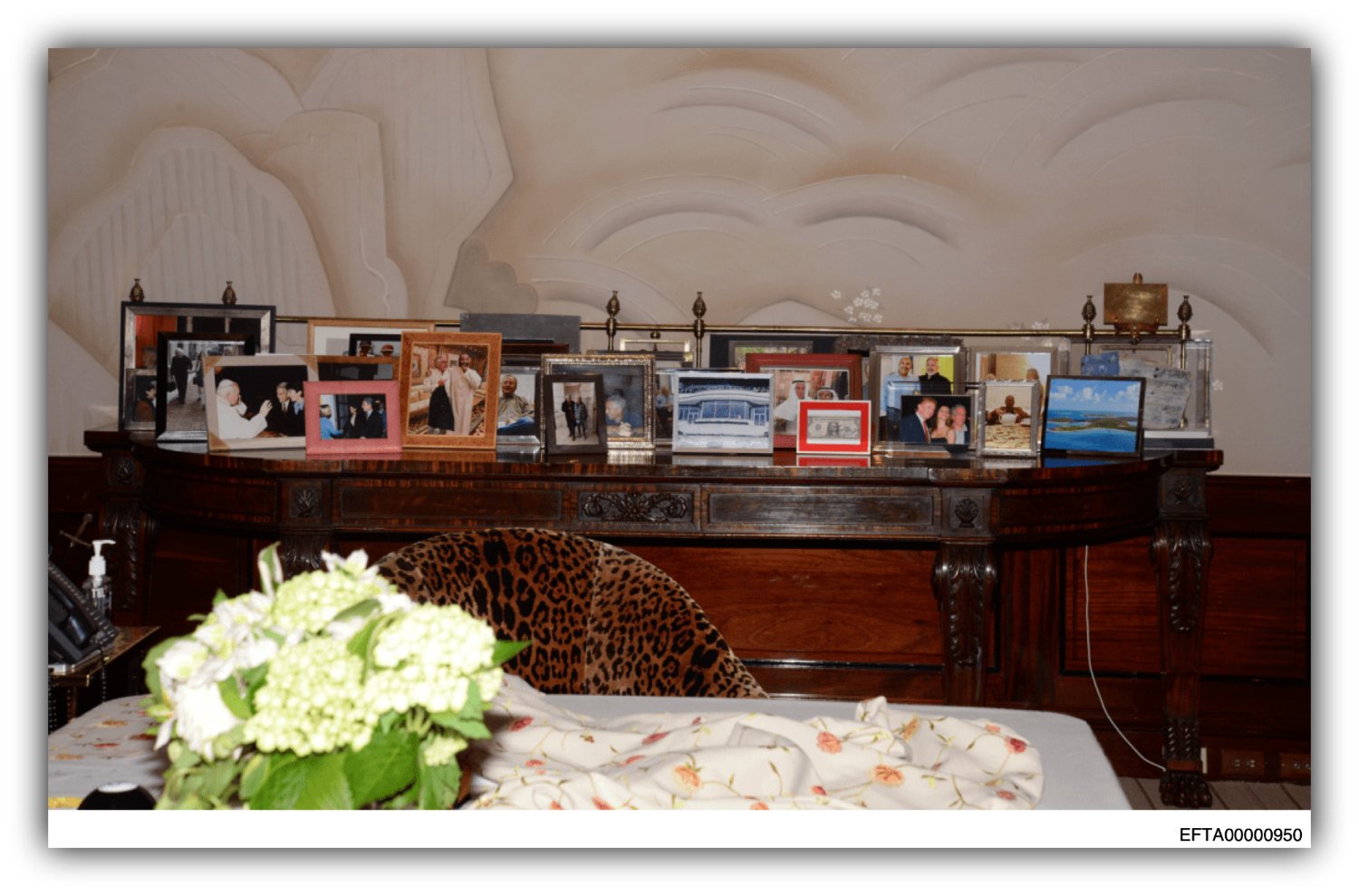
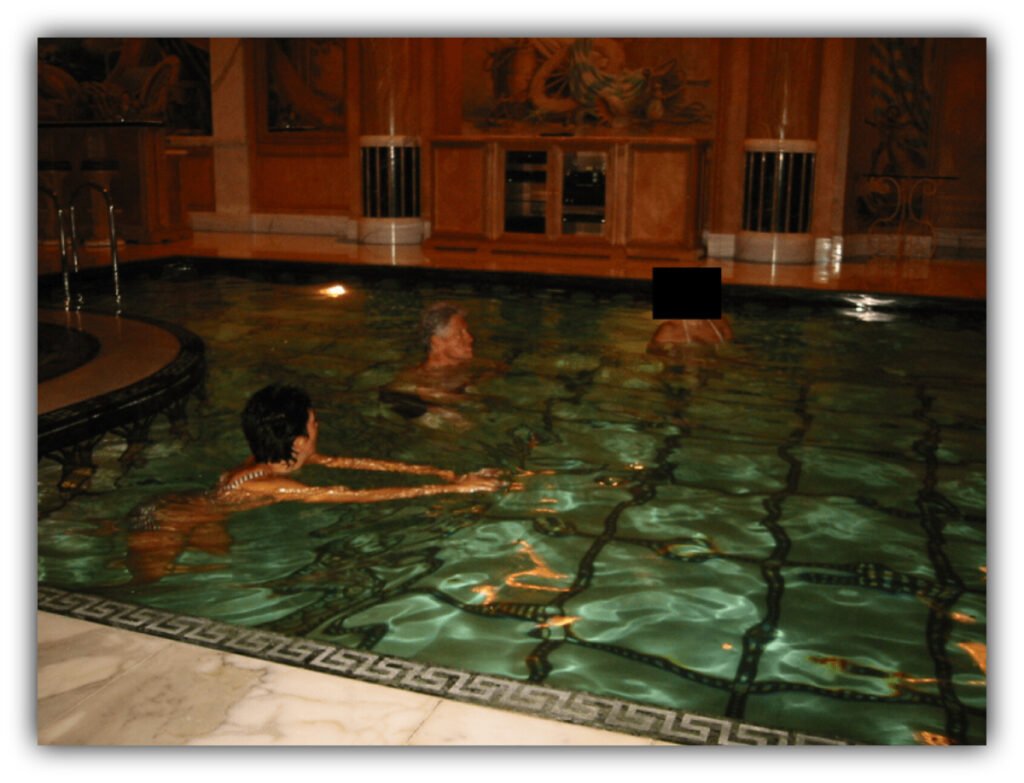
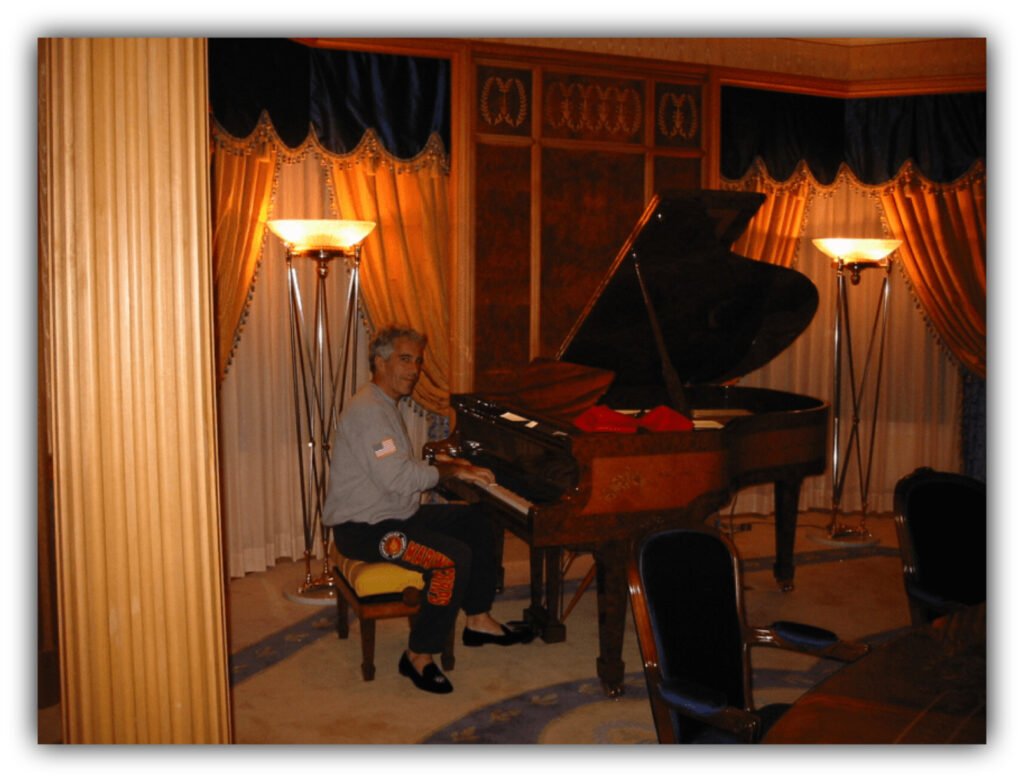
Framed photographs displayed in “pride of place” within Jeffrey Epstein’s former residence, highlighting individuals he associated with, including prominent figures such as President Donald Trump and global religious leaders. The images, part of the DOJ’s Epstein Files release, illustrate the curated nature of Epstein’s properties and the prominence of certain guests within his social network. (DOJ)
Power, Proximity, and Proof Inside the Epstein Files
By Gina Hill | Alaska Headline Living | February 2026
Jeffrey Epstein’s name has haunted headlines for more than a decade. The recent release of millions of documents, collectively known as the Epstein Files, has sent shockwaves through media, politics, and elite circles worldwide. Presidents, tech moguls, diplomats, business leaders, and royals all appear somewhere in this sprawling network, leaving the public wondering who was involved and who could face justice.
The truth is complex. Not everyone mentioned in the files committed a crime, and much of the most explosive material remains hidden. The most important distinction is between being mentioned in the files and being implicated in criminal activity. Flight logs, emails, and photographs document social contact or curiosity about Epstein’s world, but without proof of knowledge of illegal acts or participation in sexual abuse or trafficking, no legal culpability can be assigned.
This report breaks down what the released files reveal, the legal realities for high-profile figures, and the international consequences that have already shaken governments and reputations.
Gray Areas That Spark Speculation
Certain documents raise eyebrows but fall short of prosecutable evidence. These include emails referencing “young models” or party planning, photographs of social gatherings at Epstein’s residences, financial transactions or gifts whose purpose is unclear, and flight logs showing social visits or trips.
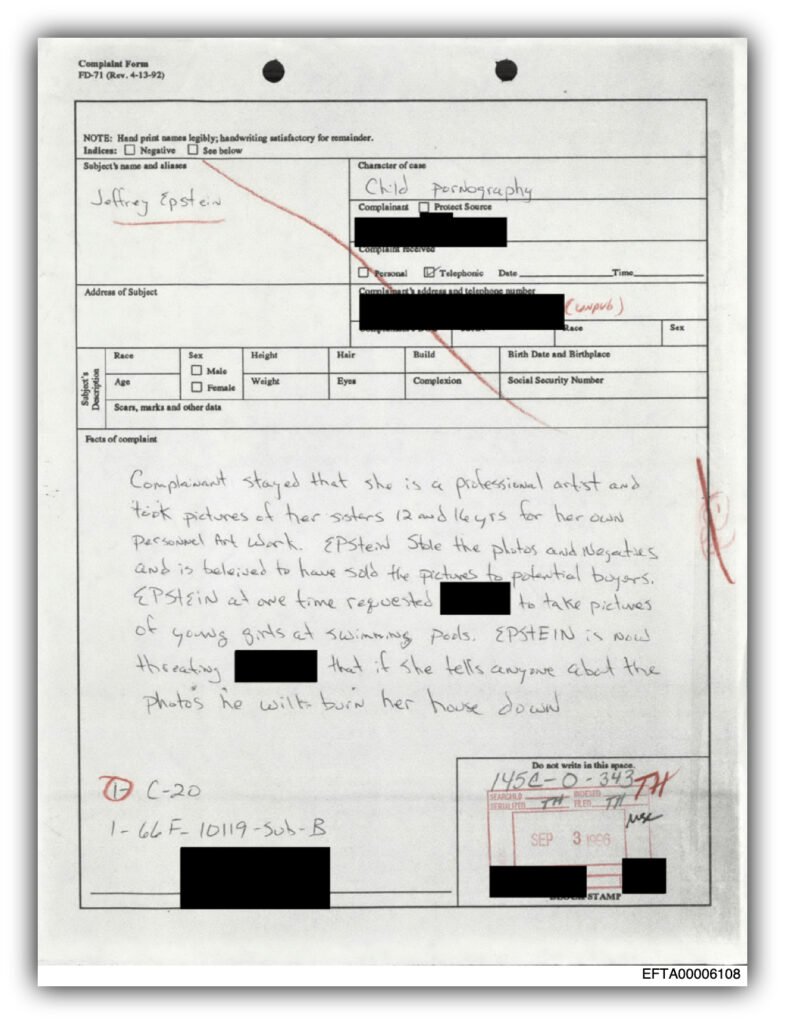
This complaint demonstrates what actual criminal evidence looks like, distinguishing it from the gray areas listed above.
High-Profile Figures in the Files – Legal Reality Check
Among all the individuals listed in the Epstein Files, Ghislaine Maxwell is the only person so far convicted in connection with Epstein’s network. Her conviction included charges of sex trafficking and conspiracy to transport minors for illegal sexual activity. Other high-profile figures appear across emails, flight logs, and social events, but none of these mentions alone prove criminal activity.
High-Profile Individuals Referenced in the Epstein Files: Documented Presence vs. Legal Exposure
| Individual | Email References | Travel Records (Flight Logs) | Documented Social Contact | Financial Links in Released Files | Unverified Public Tips | Legal Exposure Based on Released Evidence |
|---|---|---|---|---|---|---|
| President Donald Trump | 🟡 | 🟡 | 🟡 | ⚪ | 🟡 | Low |
| Elon Musk | 🟡 | ⚪ | ⚪ | ⚪ | ⚪ | Low |
| Andrew Mountbatten-Windsor | 🟡 | 🟡 | 🟡 | ⚪ | ⚪ | Low to Medium (civil case context) |
| Bill Gates | 🟡 | ⚪ | ⚪ | ⚪ | ⚪ | Low |
| Alan Dershowitz | 🟡 | ⚪ | ⚪ | ⚪ | 🟡 | Low |
| Steve Bannon | 🟡 | ⚪ | ⚪ | ⚪ | ⚪ | Low |
| Former President Bill Clinton | 🟡 | 🟡 | 🟡 | ⚪ | ⚪ | Low |
| Ghislaine Maxwell | 🔴 | 🔴 | 🔴 | 🔴 | 🔴 | High (Convicted) |
| Public Tips (Aggregate) | ⚪ | ⚪ | ⚪ | ⚪ | 🟡 | Low |
Andrew Mountbatten-Windsor Context
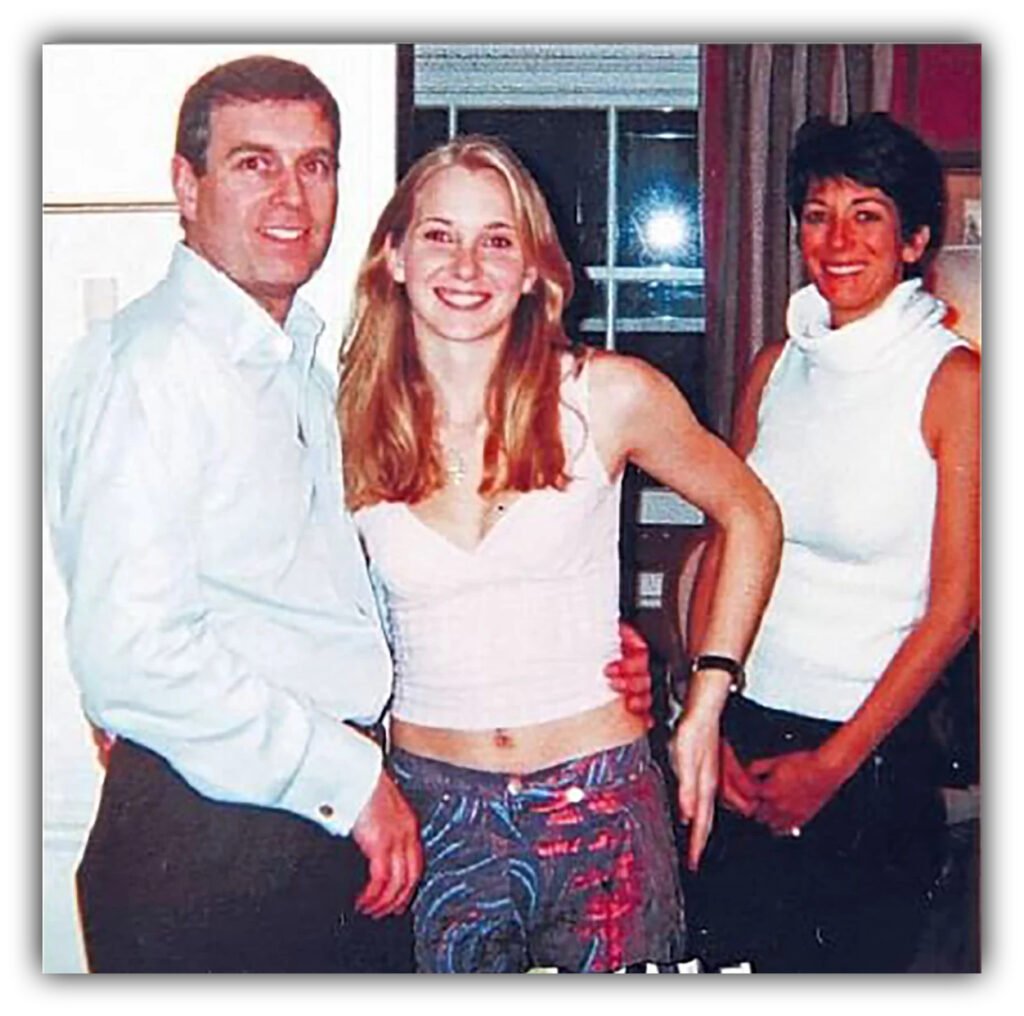
Andrew Mountbatten-Windsor, formerly Prince Andrew, officially adopted this name following the removal of all his royal titles and honors by King Charles III in late 2025. He was stripped of his HRH style, the title of Duke of York, and other honors, and his surname now uses the hyphenated form “Mountbatten-Windsor,” consistent with the 1960 declaration for descendants of Queen Elizabeth II and Prince Philip. He is no longer publicly referred to as Prince Andrew or HRH. This change is directly linked to the fallout from his association with Epstein and the abuse of Virginia Giuffre, who tragically died by suicide due to trauma inflicted at Epstein’s and Andrew’s hands.

Unreleased Evidence and What Might Still Be Hidden
The released files are enormous, but critical evidence remains sealed. Grand jury testimony could reveal first-hand accounts linking individuals to trafficking or abuse. Unredacted victim statements may confirm ages, coercion, or participation in crimes. Complete financial records could tie payments directly to illegal acts. Full flight logs combined with other evidence could show patterns of trafficking. Internal investigative notes might reveal leads pointing to other perpetrators.
These unknowns could be actionable, but until the documents are released, we cannot know if any other high-profile individuals are legally culpable.
International Impact: What’s Happening Outside the U.S.
The Epstein Files have stirred controversy around the world:
- Norway: Crown Princess Mette‑Marit’s correspondence with Epstein drew public scrutiny. No criminal charges have been announced.
- Slovakia: Senior diplomat Miroslav Lajčák resigned after emails surfaced showing friendly correspondence with Epstein. No evidence of criminal activity.
- United Kingdom: Calls for Andrew Mountbatten-Windsor and other figures to cooperate with investigations. Lord Peter Mandelson faced scrutiny over old financial transfers. No new prosecutions.
- India: Government rejected false or misleading email references to officials. No legal action.
- Africa and Middle East: Historical travel and philanthropic activity by Epstein are documented. No public evidence links local figures to criminal activity.
The Line Between Influence and Crime
The Epstein Files are a study in power, privilege, and accountability. Suspicion or social association is not a crime. Only corroborated evidence, such as witness testimony, financial records tied to illegal acts, or verified participation in trafficking, can support prosecution. The released files show documented criminal acts (Epstein and Maxwell), gray-area connections, and unreleased material that could change the story. Worldwide, the fallout has been reputational and political rather than legal, but the full picture remains hidden.
What do you feel about this post?

Like

Love

Happy

Haha

Sad