






Winter Sowing in Alaska: Gardening While the Snow Still Falls
If you cannot wait for spring to get your hands in the dirt, winter sowing lets you start the garden now, while the snow is still piled high and the ground is frozen solid.
What Winter Sowing Is
Winter sowing is a simple way to start seeds outdoors in the heart of winter using recycled, translucent containers that act like mini greenhouses. Seeds sit outside through the cold, get natural moisture from snow and rain, and sprout on their own when daylight and temperatures are right in spring.
It works beautifully in Alaska because many plants are meant to live through winter before they grow, so you are not forcing spring, you are letting it arrive on the plants’ schedule.
Why It Works So Well Here
Alaska’s long, steady cold provides natural cold stratification, which many perennials and cool-season crops need in order to germinate. Seeds stay safely dormant until days lengthen and temperatures rise, then sprout already acclimated to outdoor conditions.
Gardeners love winter sowing because it saves indoor space, requires no grow lights or heat mats, and produces sturdy seedlings that do not need hardening off later.
What to Winter Sow in Alaska
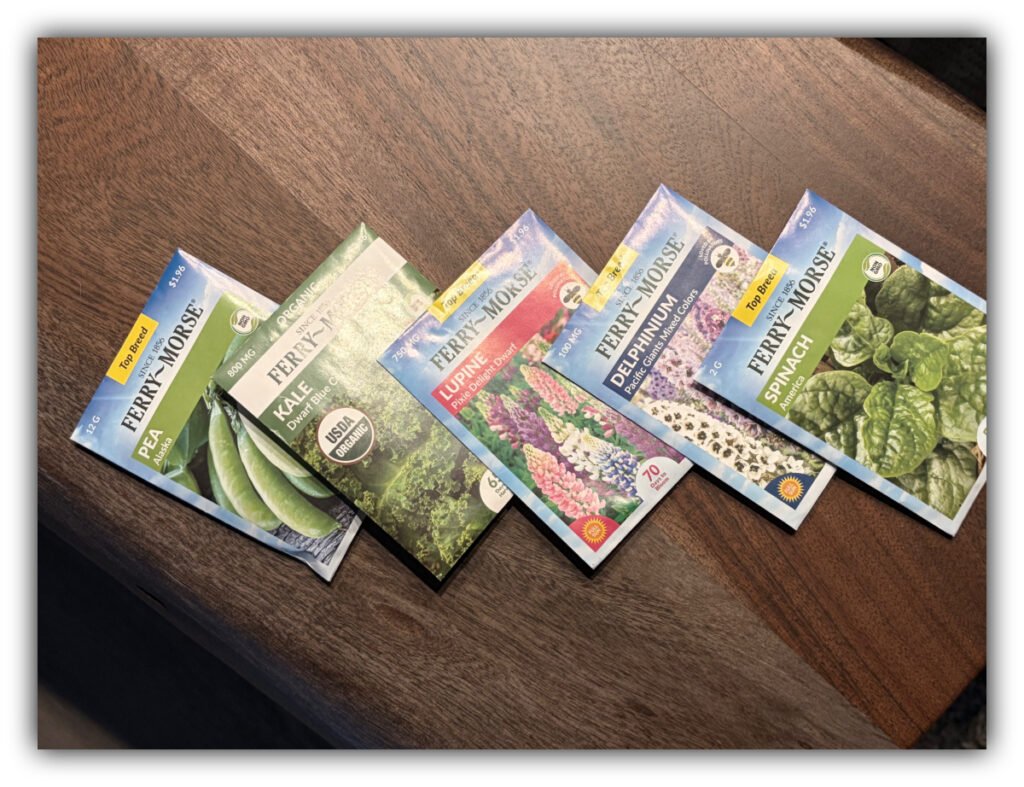
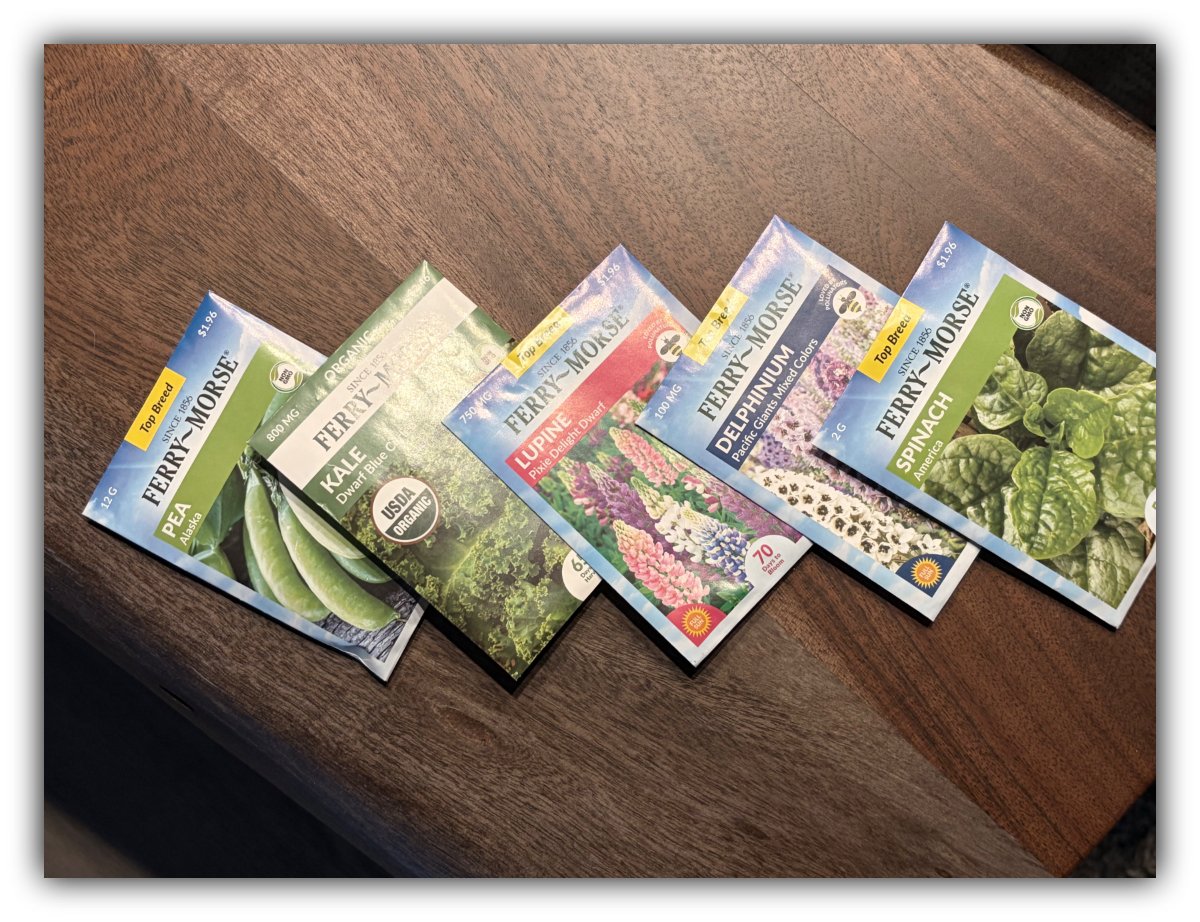
Not every plant is a winter sowing candidate, but many cold lovers are. Cold-hardy vegetables like kale, spinach, Swiss chard, lettuce, and other brassicas take very well to winter sowing in Alaska. Hardy herbs such as parsley, thyme, oregano, and chives also respond nicely.
Perennials, wildflowers, and native plants are where winter sowing truly shines. For Alaska, choose hardy perennials that thrive in cold and benefit from natural cold stratification, especially those that bloom strongly in a short summer.
Great perennials for Alaskan winter sowing
- Lupine Lupinus, a classic Alaskan flower that loves winter and returns reliably with bold color.
- Delphinium, tall blue, pink, or white spires that are almost a signature of Alaska summer gardens.
- Columbine Aquilegia, graceful and unusual blooms that handle cool spots and partial shade.
- Coneflower Echinacea, tough, daisy-like flowers that handle cold and feed pollinators.
- Shasta Daisy, reliable white flowers that come back year after year.
- Rudbeckia Black-Eyed Susan, bright, long-blooming color for northern beds.
- Yarrow Achillea, flat-topped clusters that tolerate poor soil and cold.
- Penstemon Beardtongue, tubular flowers that attract hummingbirds and bees in cool climates.
- Hollyhock, tall spires of big, old-fashioned blooms that benefit from winter sowing.
- Foxglove Digitalis, elegant bell-shaped flowers that need cold to germinate well.
- Anise Hyssop Agastache, fragrant purple spikes that are pollinator magnets and surprisingly hardy.
Native plants and familiar hardy types are excellent first choices, since they are already built for tough Alaskan conditions.
Skip heat lovers such as tomatoes, peppers, cucumbers, and basil, which prefer warmth and are better started indoors closer to spring.
How to Winter Sow: Step by Step
Think of this as a set it up once, then walk away project.
1. Gather your supplies (Raid your garbage)
You will need:
- Clean, translucent containers such as milk jugs or clear plastic boxes
- Potting mix with good drainage, not garden soil
- Seeds suited for cold conditions
- Permanent marker
- Tape or zip ties
Winter sowing is meant to be simple, so if it starts feeling complicated, you can probably pare it back.
2. Prep the containers
- Wash containers thoroughly.
- Add drainage holes to the bottom.
- Cut so the container opens like a hinge or clamshell, with the top left partially open.
- Add three to four inches of moist potting mix, about as damp as a wrung out sponge, not soupy.
3. Sow the seeds
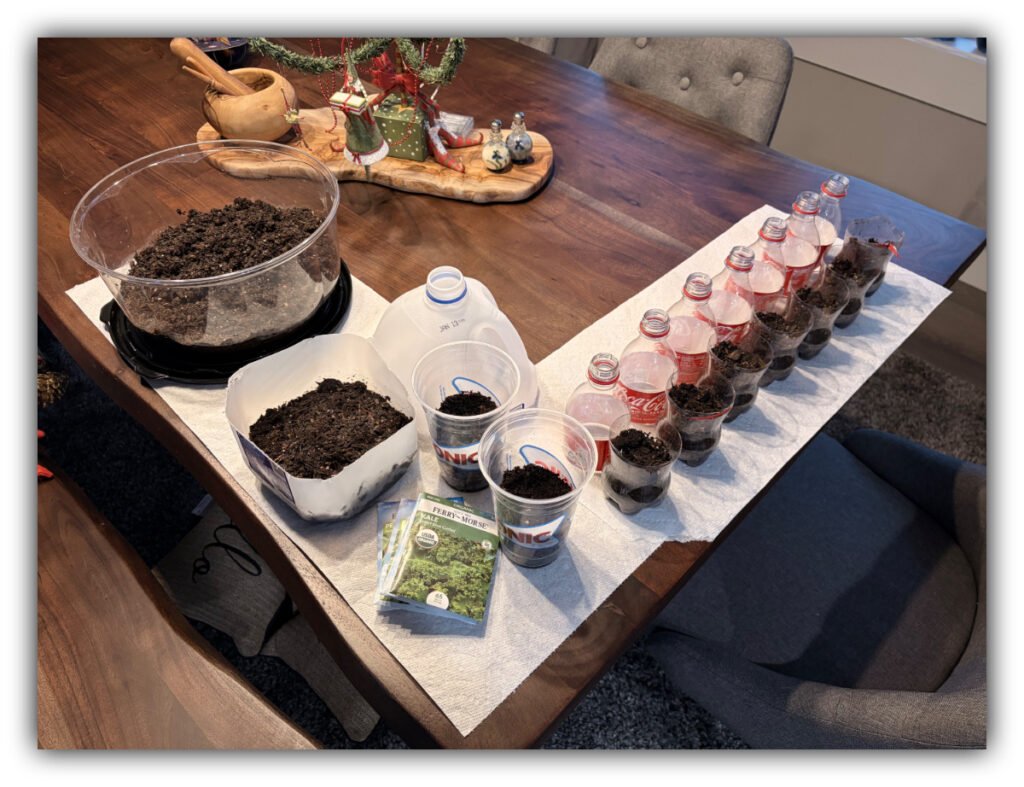
- Plant seeds at the depth listed on the packet.
- Press gently into the soil.
- Label every container with plant name and date; future you will not remember.
4. Seal and set outside
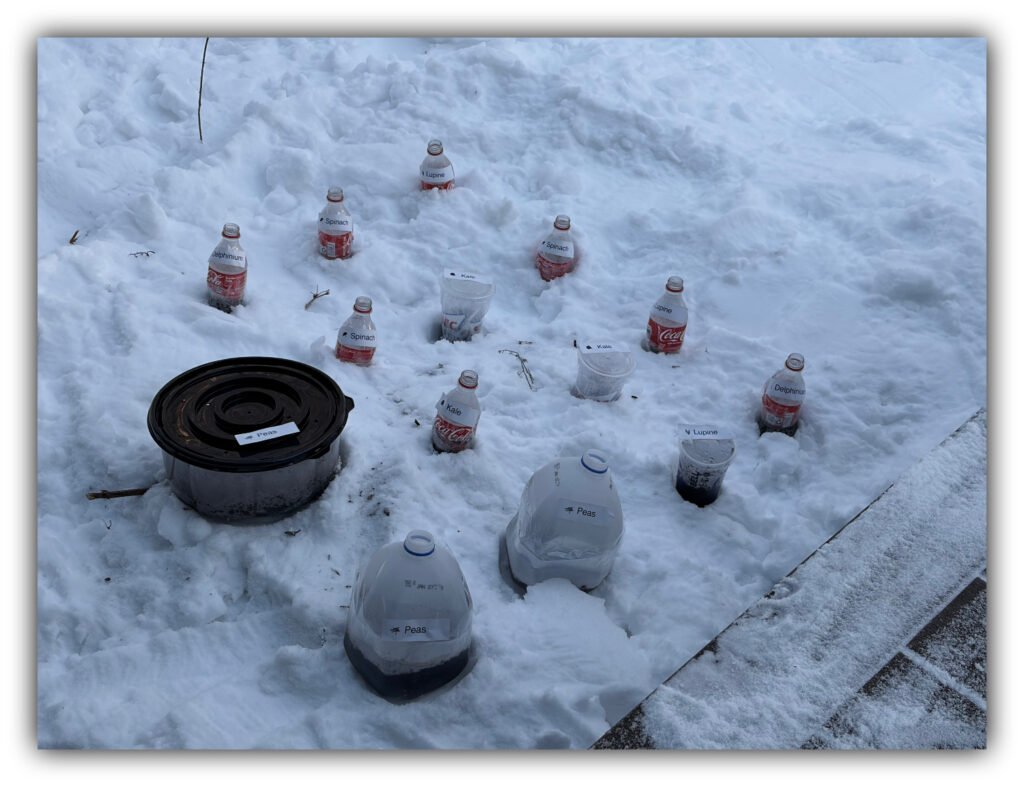
Secure the container with tape or zip ties, but leave the top open or vented so snowmelt and rain can provide moisture without washing the soil away. Winter sown containers should be sheltered, breathable mini greenhouses, not sealed boxes.
Set containers outdoors in a spot that gets light and is somewhat protected from strong winds; snow is fine and even acts as insulation.
5. Spring care
As daylight increases, seeds will germinate when conditions are right for that plant, not when the calendar says it is time. Containers generally stay moist on their own, but you can add water if they dry out.
Once seedlings appear, open containers more on warm days and close them again if temperatures drop below freezing. When the ground is workable and seedlings are sturdy, transplant them into the garden with ordinary good sense rather than a strict schedule.
When to Put Seeds Out in Alaska
Timing matters in Alaska, but it does not have to be fussy. For most regions, the best window for winter sowing is late December through February, when winter is firmly established and seeds will stay dormant. November sowing can work, but if a warm spell arrives, seeds may sprout early and get zapped by the return of deep cold.
Late March into early April is still useful for hardy greens, perennials, and fast-germinating cold tolerant plants, but stratification time is shorter, so you are shifting into very early spring sowing rather than classic winter sowing. A simple rule of thumb if containers stay frozen most of the time, you are still in the winter sowing window, and if they thaw every day, the season is closing.
Winter sowing seed guide by month
| Month | What to winter sow in Alaska |
|---|---|
| November | Very hardy perennials and native wildflowers that need long cold stratification; best for experienced gardeners. |
| December | Cold hardy greens, hardy perennials, and native wildflowers. |
| January | Prime season for brassicas, leafy greens, parsley, and perennial flowers. |
| February | Continue hardy greens and hardy herbs, plus perennials and wildflowers. |
| March | Hardy leafy greens, early peas, and fast-germinating cold tolerant perennials. |
| Early April | Last call for hardy greens and quick growing flowers, especially in short season areas. |
After early April, move to direct sowing outdoors or indoor seed starting, depending on the crop and your microclimate.
Regional timing notes
- Southcentral Alaska: Late December through February is ideal, with winter sowing still possible into early April.
- Interior Alaska: December through January works best, since spring arrives fast and earlier sowing lets seeds respond quickly when light surges.
- Southeast Alaska: January through February is safest because of frequent freeze thaw cycles; give containers extra drainage and ventilation.
- Western and Coastal Alaska: December through February is reliable, but wind protection matters more than temperature.
- Northern and Arctic Alaska: January is the best window; extreme cold is fine, but daylight and timing become the limiting factors.
Across all regions, steady cold is your friend, and regular thawing means it is time to shift to spring methods.
🚫 Common Mistakes to Skip
A few small tweaks can mean the difference between thriving seedlings and frustration:
- Sealing containers airtight traps excess moisture and encourages rot. Venting is essential.
- Using garden soil instead of potting mix leads to compaction and poor drainage in containers.
- Burying containers intentionally under deep snow can block light just when seedlings need it.
- Sowing heat loving crops like tomatoes or peppers wastes time in winter sowing setups.
- Checking containers constantly defeats the purpose; winter sowing works best when you set it up, then trust the process.
Winter sowing is one of those Alaska gardening tricks that feels almost too easy: you tuck seeds into their little makeshift greenhouses in midwinter, let the weather do the hard work, and by the time the yard is finally thawing, you already have sturdy, confident seedlings ready to settle into the garden.
What do you feel about this post?

Like

Love

Happy

Haha

Sad