







The Climate Gamble: What America’s Retreat Means for Alaska
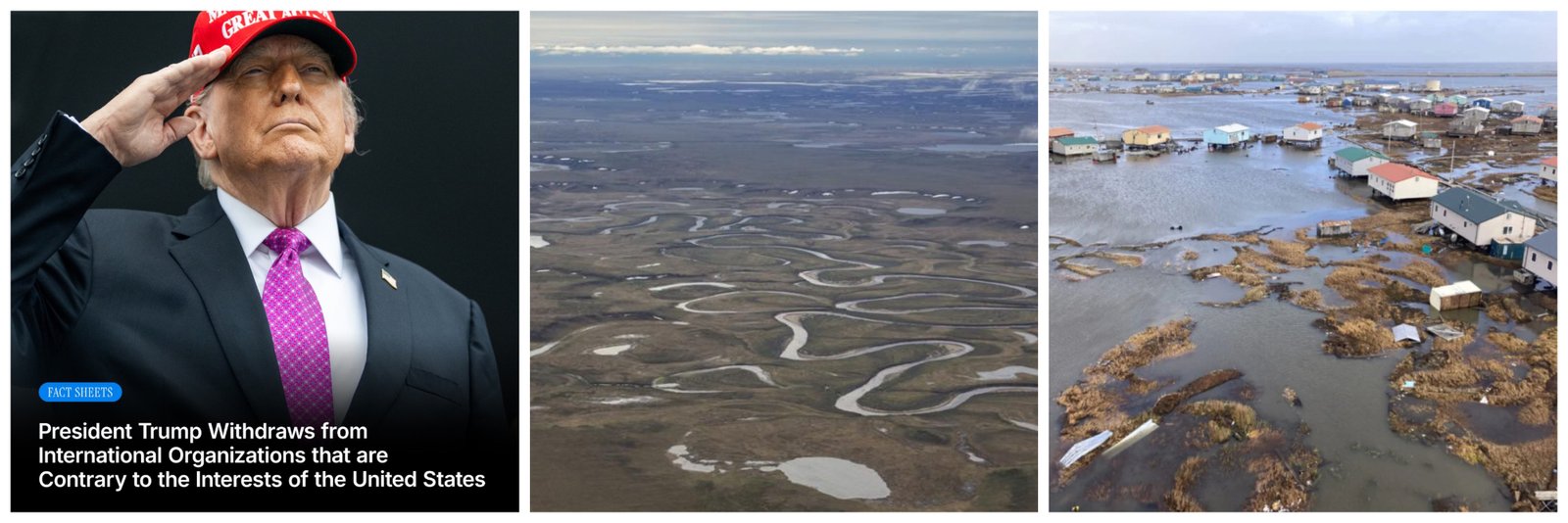
Aerial view of the National Petroleum Reserve–Alaska, where federal officials say expanded leasing and streamlined permitting are intended to boost domestic energy production while reshaping how public lands are managed across the state.
Photo courtesy of the Bureau of Land Management Alaska
By Gina Hill | Alaska Headline Living | January 2026
President Donald Trump has now set in motion a sweeping withdrawal of the United States from 66 international organizations, conventions, and treaties that his administration says no longer serve America’s interests. The directive, one of the most significant pullbacks from global cooperation in modern U.S. history, is already reshaping how federal agencies operate and carries real implications for Alaska and the rest of the country.

Under the memorandum, federal agencies are moving to end U.S. participation and funding in dozens of international bodies as quickly as the law allows. Many of the affected organizations focus on climate science, renewable energy, oceans, global development, migration, democracy promotion, and international law, including several operating under the United Nations. The White House says the objective is clear: assert U.S. sovereignty, reduce overseas spending, and refocus federal resources on domestic priorities.
This shift will not take full effect overnight. Some treaties require formal notice periods before withdrawals become final, and American scientists and researchers can still collaborate internationally in unofficial capacities. Still, the practical direction is unmistakable. The United States is stepping back from having an official voice in many global institutions that have helped shape climate policy, scientific research, and international standards for decades.
For Alaskans, the consequences are mixed and complex.
Economically, the move aligns closely with the administration’s broader push to expand oil and gas development. Alaska’s state budget relies heavily on petroleum revenue, and fewer international climate commitments could translate into fewer regulatory hurdles for drilling, particularly in places like the National Petroleum Reserve-Alaska. Supporters argue this creates opportunities for jobs, increases state revenue, and strengthens national energy security, all issues with deep resonance across much of the state.
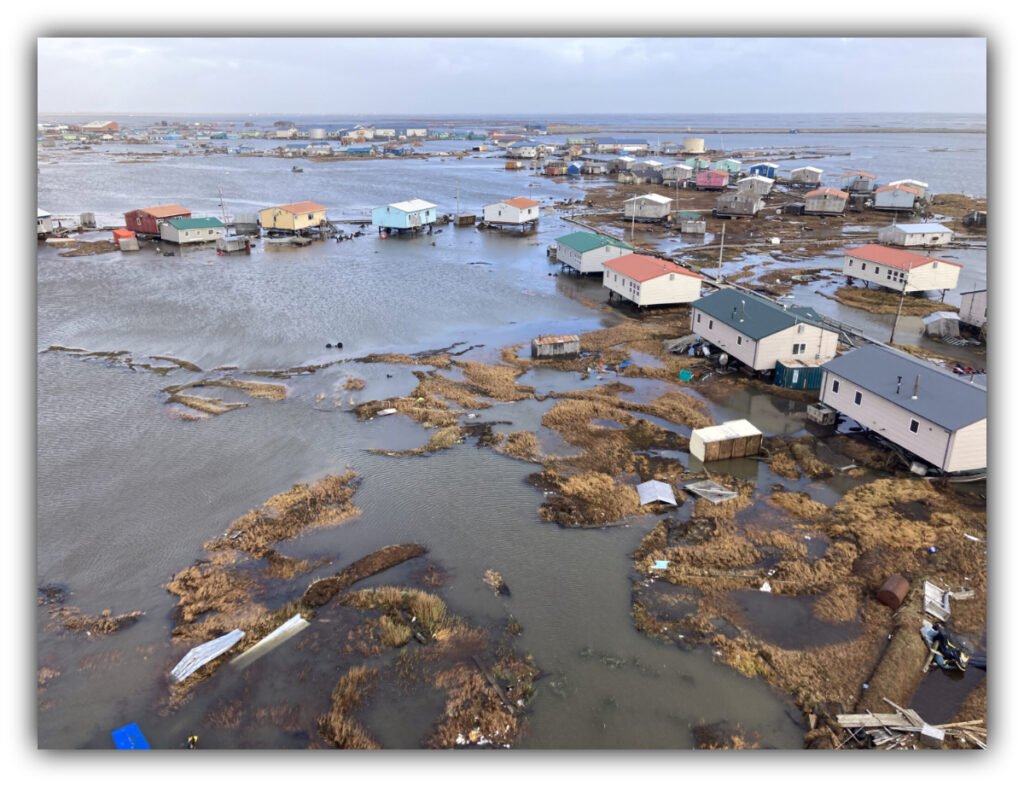
At the same time, Alaska remains on the front lines of a rapidly warming climate. Coastal erosion, thawing permafrost, intensifying wildfires, and mounting damage to roads, airports, and homes already carry multibillion-dollar price tags. By withdrawing from organizations such as the Intergovernmental Panel on Climate Change and the UN Framework Convention on Climate Change, the United States is relinquishing formal influence over the global scientific assessments and data that many Alaska communities, tribes, engineers, and planners rely on to prepare for future impacts.
The withdrawal does not stop climate change. It changes who helps guide the global response to it.
For most Americans, the effects will not be immediately visible in daily life. Over time, however, this shift is likely to influence how the United States responds to natural disasters, how businesses assess long-term environmental risk, how international trade relationships evolve, and how much sway the U.S. holds when global standards are set without American participation.
From a legal standpoint, presidents wield broad authority over foreign affairs, and courts have historically been hesitant to intervene. Congress could attempt to restrict funding cuts or assert greater oversight through legislation, but that outcome depends heavily on political dynamics. Lawsuits from nonprofits, researchers, or advocacy groups are expected, though their chances of success remain uncertain.
So is this good for you?
For those who favor a more independent United States that limits international commitments and prioritizes domestic energy and economic power, this policy direction delivers exactly that. For those who see American leadership as inseparable from global engagement, the withdrawals raise concerns about lost influence, weakened cooperation, and long-term strategic costs.
In Alaska, the tradeoffs are especially stark. Near-term gains tied to expanded energy development may come alongside longer-term risks tied to climate impacts the state already experiences more intensely than almost anywhere else.
This is more than a foreign policy adjustment. It is an ongoing bet on how America defines its role in the world, and how much it believes it needs global partnerships to secure its future.
What do you feel about this post?

Like

Love

Happy

Haha

Sad