


Holding the Island Together: St. Paul’s Postwar Story in Rare Photographs
By Gina Hill | Alaska Headline Living | January 2026
Step into the 1950s on St. Paul Island and discover the lives, celebrations, and everyday moments captured in the Kozloff family’s rare photo archive. This remarkable collection offers a timeless window into Aleut life during a pivotal era in Alaska history.
By Gina Hill | Alaska Headline Living
When the Aleuts returned to St. Paul Island after World War II in 1944, they found homes ransacked, possessions lost, and a homeland forever changed. In 1950, under the Indian Reorganization Act, the community ratified a charter for the Aleut Community of St. Paul, formally establishing tribal governance. In the decades that followed, the community pursued land claims and economic independence, gradually reclaiming control from federal authorities. Today, the Aleut people of St. Paul continue to sustain local businesses, protect their environment, and preserve cultural traditions while adapting to modern life.
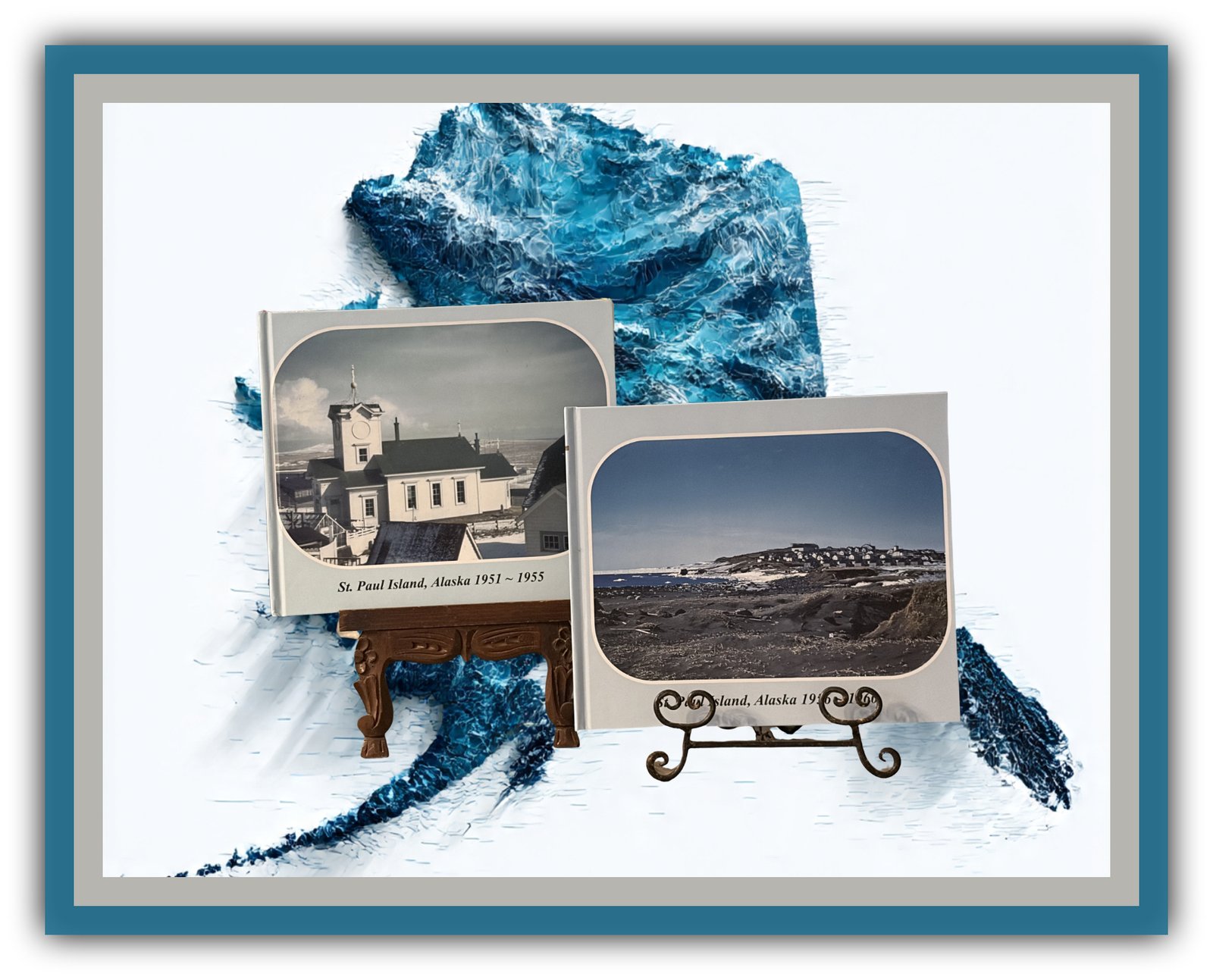
A photograph from the early 1950s shows St. Paul Island workers gathering for daily job assignments, a quiet but powerful reminder of a community rebuilding itself through shared responsibility and purpose. Captured between 1951 and 1955 by Iliodor Henry Kozloff, these images reflect a time of transition, resilience, and determination.
In creating St. Paul Island, Alaska 1951–1954, Kozloff began by scanning more than 3,000 deteriorating slides originally taken by his father, Iliodor “Eddie” Kozloff. The photographs document everyday island life, from construction projects and storms to weddings, hunting trips, berry picking, and family gatherings. Together, they form a vivid visual record of the postwar era, when island residents were rebuilding their lives under newly established self-governance amid economic change and outside pressures.
Against this historical backdrop, the images capture the Aleut or Unangan people working to restore their homes, traditions, and way of life. The collection stands as a living archive that preserves the stories, faces, and spirit of a resilient community. For descendants, historians, educators, and anyone interested in Alaska’s cultural heritage, these books offer enduring value far beyond a single season.
St. Paul Island, Alaska 1951–1955 and St. Paul Island, Alaska 1956–1960 are available through Blurb Books, where readers can explore the collection and order high-quality printed editions.
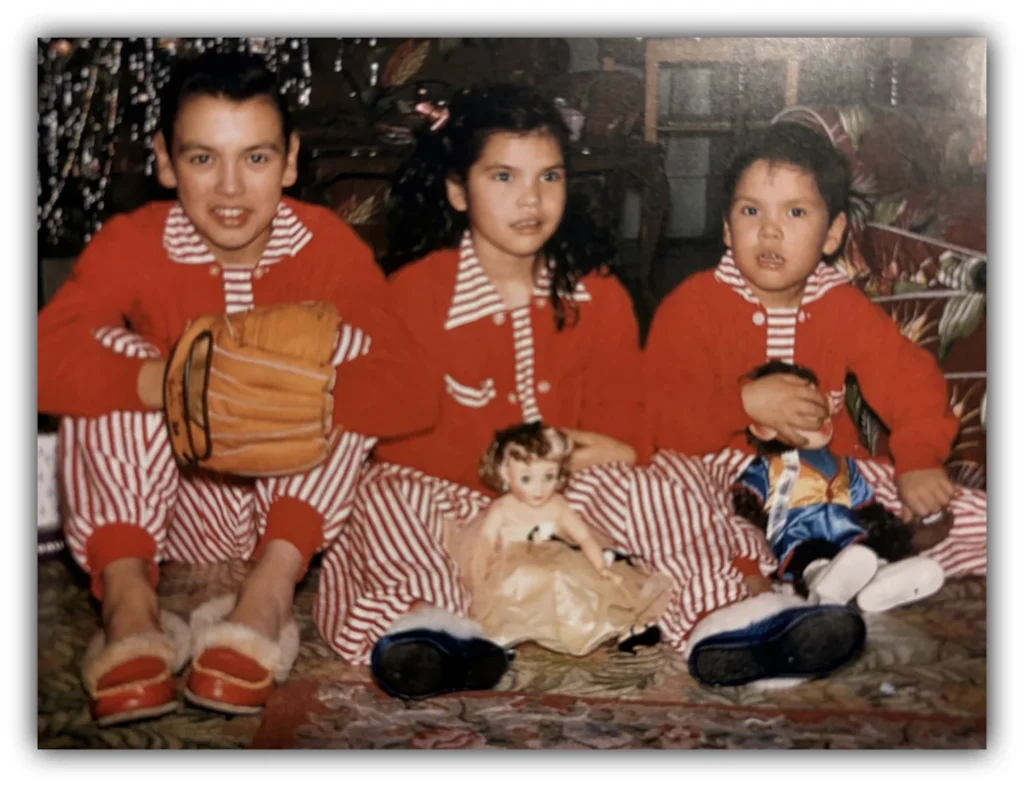
One image shows Patrick, Angelina Patsy, and Iliodor Henry Kozloff gathered together at Christmas 1957 in a quiet family moment. Scenes like this underscore what makes the Kozloff archive so powerful. It is not only a record of history, but a testament to survival, community, and identity on St. Paul Island.
What do you feel about this post?

Like

Love

Happy

Haha

Sad