










Grow Your Hair the Smart Way: A Healthy Hair Handbook
What Science Says About Nutrafol, Pumpkin Seed Oil, Rosemary Oil, and Coffee Shampoo
By Gina Hill | Alaska Headline Living | January 2026
Hair loss and thinning are common, and figuring out what actually works can feel overwhelming. This Healthy Hair Handbook breaks down the science behind popular supplements and natural remedies, so you know which ones have real evidence and how to use them at home. From Nutrafol and pumpkin seed oil to rosemary and coffee shampoos, this guide also includes grocery tips, simple recipes, and DIY treatments to support healthier, stronger hair from the inside out.
Nutrafol and Hair Growth

Nutrafol is a supplement made from vitamins, plant extracts, and botanicals. Clinical studies in women show that daily use for about six months can increase hair count and reduce shedding compared with a placebo. The studies measured total hairs and thickness under controlled conditions. (pmc.ncbi.nlm.nih.gov)
A systematic review of nutritional interventions for hair loss listed Nutrafol among supplements with potential benefit. (jamanetwork.com)
While some research is company-sponsored and independent data are limited, Nutrafol may help people with early or mild thinning. Results vary by individual and it is not a cure for advanced pattern hair loss.
Pumpkin Seed Oil

Pumpkin seed oil has strong evidence supporting its use for hair health. Studies in men with pattern hair loss found that daily supplements led to 30 to 40 percent more hair growth than placebo after six months. (healthline.com)
The oil contains phytosterols, fatty acids, and antioxidants that may influence hormones involved in hair loss, support scalp health, and strengthen hair follicles. Smaller studies and reviews confirm pumpkin seed oil as one of the better natural options for hair support, though it is not as extensively studied as medical treatments like minoxidil. (jamanetwork.com)
Rosemary Oil

Research on rosemary oil is smaller but promising. Studies show that applying rosemary oil to the scalp can increase hair thickness and density. It may work by improving blood flow to hair follicles and reducing inflammation. (health.com)
One randomized clinical trial directly compared daily rosemary oil application with 2 percent minoxidil over six months in people with androgenetic alopecia. Both groups saw significant increases in hair count, and there was no statistically significant difference between rosemary oil and 2 percent minoxidil at the end of the study. The rosemary oil group also experienced less scalp itching, suggesting a gentler side-effect profile. (pubmed.ncbi.nlm.nih.gov)
Rosemary oil should be diluted in a carrier oil such as coconut or jojoba to avoid irritation. While more extensive research is needed, rosemary oil can be a natural option for those seeking hair support, especially if they are sensitive to the side effects of conventional treatments.
Coffee Shampoos and Rinses

Caffeine can reach hair follicles and may stimulate growth, prolonging the hair’s growth phase. Coffee shampoos and rinses may also improve scalp circulation and deliver antioxidants to reduce irritation. (healthline.com)
While some lab studies suggest benefit, coffee products are not proven to reverse genetic hair loss or baldness. They may support scalp health and improve hair appearance.
Coffee can temporarily tint hair, especially on blonde or color-treated hair. To reduce staining, use a weaker mixture, rinse thoroughly, and do a patch test before full application. (baristalife.co)
☕️ DIY Coffee Shampoo Recipe

- 4 to 6 tablespoons of regular shampoo
- 1 teaspoon finely ground coffee or ½ cup brewed coffee concentrate
Mix coffee into shampoo, apply to wet hair, massage the scalp for a few minutes, then rinse thoroughly. Use once or twice per week to avoid staining or buildup. (baristalife.co)
Nutrition and Hair Health
Eating the right foods provides nutrients essential for hair growth, follicle health, and scalp support.
Grocery List
Protein and Structure
- Eggs
- Salmon
- Lean meats or beans
- Greek yogurt
Healthy Fats and Zinc
- Pumpkin seeds or pumpkin seed oil
- Walnuts and flaxseeds
- Avocado
Vitamins and Antioxidants
- Spinach and kale
- Bell peppers and broccoli
- Berries
- Sweet potatoes
Other Essentials
- Iron sources (red meat, lentils, fortified cereals)
- Vitamin D foods or fortified dairy
Recipes for Hair Support
🎃 Pumpkin Seed Smoothie Bowl

Blend one banana, one cup of spinach, two tablespoons of pumpkin seeds, half a cup of Greek yogurt, and half a cup of berries until smooth. This nutrient-packed smoothie provides a healthy dose of zinc, fatty acids, antioxidants, and protein to help support stronger, healthier hair.
🍣 Salmon and Sweet Potato Plate
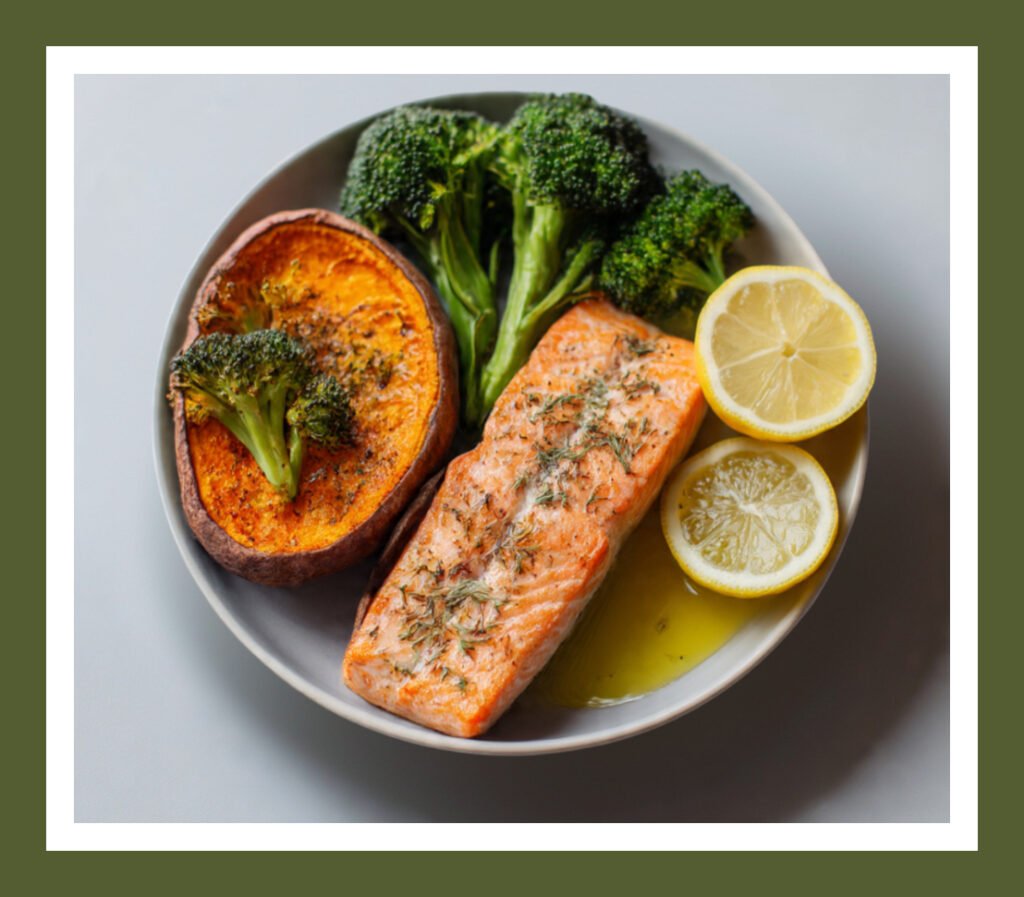
Enjoy a plate of baked salmon paired with a roasted sweet potato and steamed broccoli or other greens, drizzled with olive oil and a squeeze of lemon, seasoned with a touch of pepper. This simple, nutrient-rich meal delivers omega-3 fats, vitamins A and C, and protein to help support stronger, healthier hair.
🍳 Biotin-Rich Sunny-Side Up Breakfast (or Scramble)

Cook two eggs sunny-side up (or scrambled) and serve them alongside a handful of sautéed kale or spinach, topped with a sprinkle of flaxseed. The eggs provide protein and biotin, while the greens and flaxseed contribute essential vitamins and healthy fats to support stronger, healthier hair.
Takeaway
Nutrafol, pumpkin seed oil, rosemary oil, and caffeine products each have some research supporting potential hair benefits. These strategies work best alongside nutrient-rich diets, scalp care, and patience. It does take several weeks, if not months, to show results.
⚠️ For sudden, patchy, or severe hair loss, consult a healthcare professional for diagnosis and treatment.
What do you feel about this post?

Like

Love

Happy

Haha

Sad