





West Ada Teacher Resigns After “Everyone Is Welcome Here” Sign Dispute; Boise District Welcomes Her
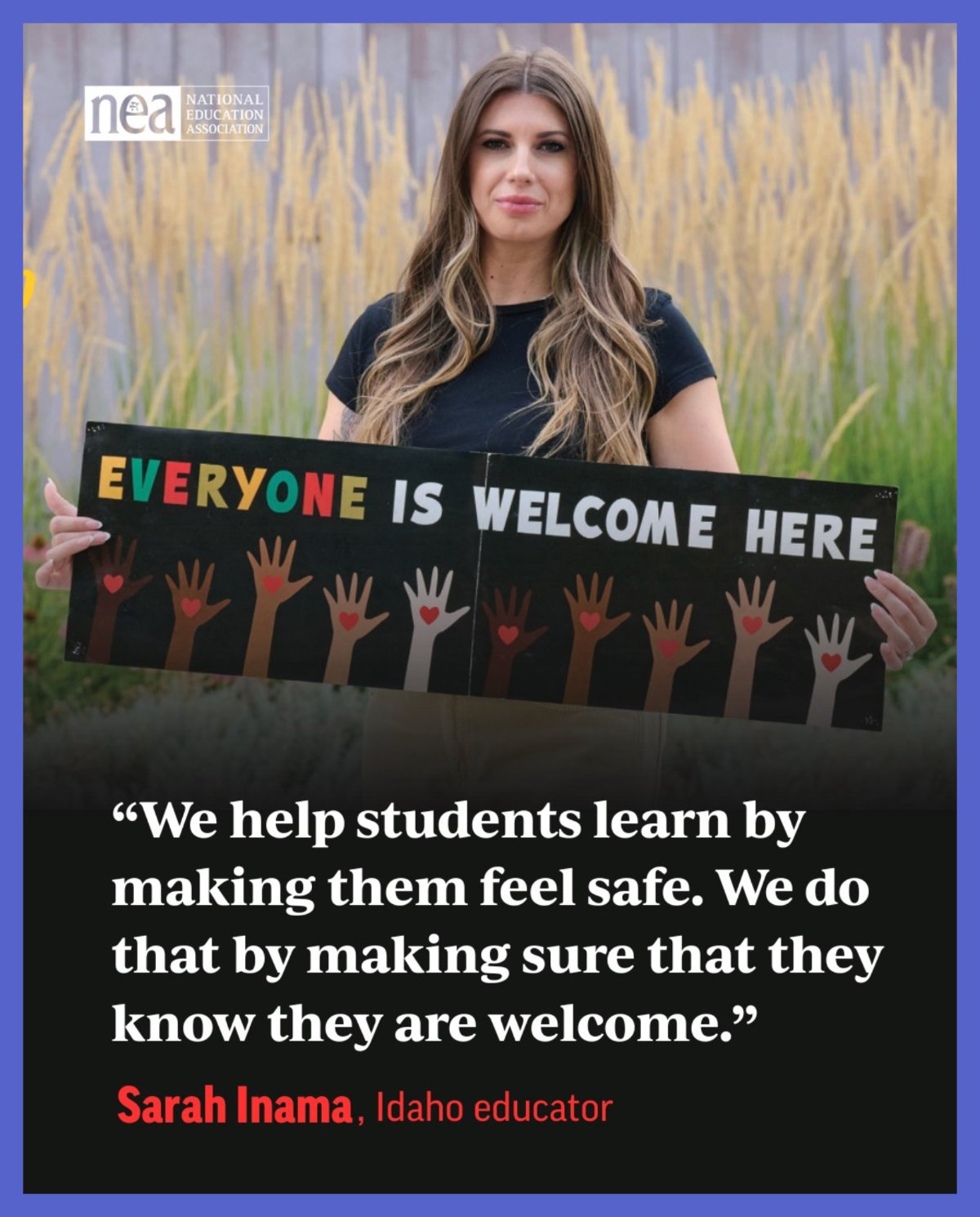
Sarah Inama, a teacher in Meridian, Idaho, holds her “Everyone Is Welcome Here” classroom sign, which became the focal point of a high-profile dispute after district officials said it violated content-neutral display policies. (Photo courtesy NEA Today / National Education Association) nea.org
By Gina Hill | Alaska Headline Living | December 2025
Meridian, Idaho – A sixth‑grade teacher in the West Ada School District resigned this summer after months of conflict with district administrators over classroom signage that read “Everyone Is Welcome Here,” a phrase supporters described as a basic message of inclusion.
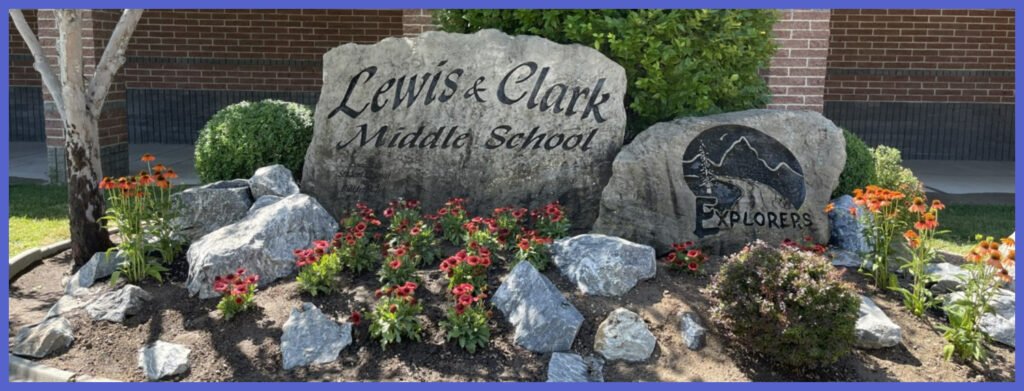
In May, Sarah Inama, a history teacher at Lewis and Clark Middle School, was instructed by district officials to remove the posters from her classroom, which she had displayed without complaint from parents, students, or colleagues. The district characterized the sign as potentially violating its policies on content neutrality in classroom displays. Inama declined, arguing that the only alternative message would be exclusionary, and refused to take the sign down. She announced her decision to resign at the end of the school year rather than remove it. (KIVITV, Idaho Ed News)
“I cannot align myself nor be complicit with the exclusionary views and decisions of the administration,” Inama wrote in her resignation letter. “It is extremely disturbing and embarrassing to see a district prioritize appeasing individuals with racist perspectives over celebrating the diversity and beauty of all our students.” (Idaho Ed News)
West Ada District officials did not publicly reverse course, and the dispute drew sustained community attention. Meetings of the school board saw parents, students, and educators urging support for inclusive classroom environments. Several teachers and families voiced frustration that a message of simple welcome had become controversial. (Idaho Statesman)
Inama had previously been evaluated as “distinguished” by the district for her efforts to create an inclusive classroom environment. (Idaho Ed News)
Support for the teacher grew outside board meetings. A GoFundMe fundraiser, All students are welcome here!, raised more than $15,000 to make and distribute T‑shirts featuring the inclusive message to students in Ada County and beyond. Organizer Daniel Kyle said the campaign aimed to support collective community values and help share the poster’s message directly with children. (GoFundMe, Unheard Voices Mag)
Several community members also staged walkouts and protests, and at least one local news outlet reported that trustees offered differing views on how the district should handle sign policies. Board members acknowledged that the issue had sparked broader debate about the display of messages in classrooms. (Idaho Ed News)
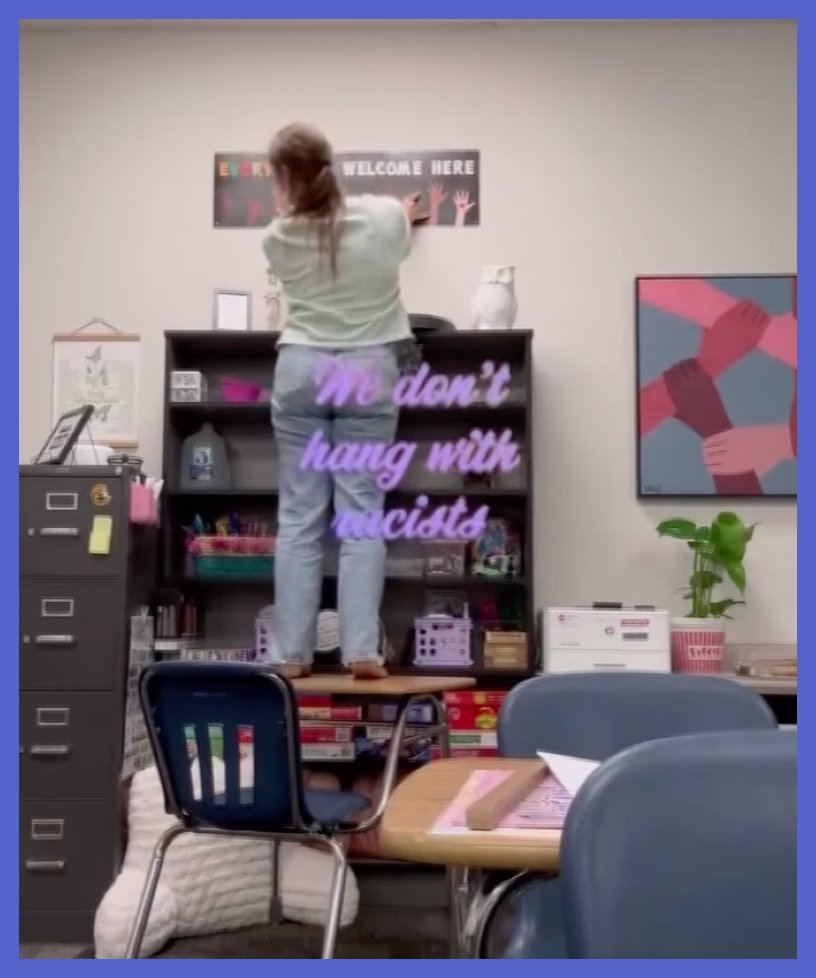
In August, Inama began a new teaching position at East Junior High School in the Boise School District. Boise administrators publicly welcomed her, with a spokesperson saying the district was “proud to welcome Ms. Inama, as well as all the many talented educators and support staff joining our team for the 2025‑2026 school year.” (Idaho Ed News)
When asked whether she planned to display her inclusive signs in her new classroom, Inama’s response was unambiguous: “Yes and yes.” (Idaho Ed News)
The dispute has occurred amid broader federal policy guidance. In January 2025, President Trump signed Executive Order 14190, “Ending Radical Indoctrination in K-12 Schooling,” published in the Federal Register (FR Doc. 2025‑02232), which outlines federal enforcement to prevent discriminatory equity ideology, gender ideology, or other ideologically driven curricula in schools. The order emphasizes parental rights under FERPA and the PPRA and directs federal agencies to evaluate funding streams that may promote ideological content, while also establishing the 1776 Commission to promote patriotic education nationwide. (Federal Register)
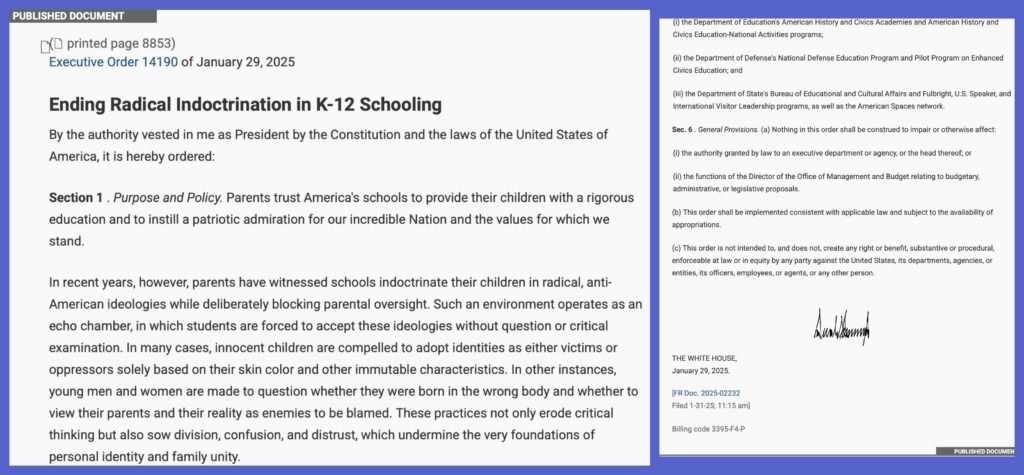
State and federal guidance now provide context for the West Ada controversy, highlighting ongoing debates over classroom messaging, parental rights, and what constitutes permissible educational content in K‑12 schools.

What do you feel about this post?

Like

Love

Happy

Haha

Sad