





CBS Pulls Inside CECOT and Sparks Debate Over Journalism, Human Rights, and Editorial Independence
CBS Postpones a Major Investigative Report, Raising Questions About What Airs Next and Who Decides
By Gina Hill | Alaska Headline Living | December 2025
CBS’ flagship news show 60 Minutes abruptly postponed its investigative segment “Inside CECOT” just hours before it was scheduled to air on December 21, 2025. 60 Minutes’ official social media account posted that the segment “will air in a future broadcast” and removed promotional materials, including a teaser that had been posted publicly. That now-deleted teaser was captured and reposted by Marco Foster on X before it disappeared from CBS’ channels. The deleted teaser showed scenes and commentary previewing interviews with Venezuelan migrants deported to El Salvador’s CECOT prison and describing the harsh conditions they endured. Critics on social media interpreted the deletion as evidence of editorial suppression.
What the Deleted Teaser Revealed
According to reposted versions of the deleted teaser, the segment would have opened with images and narration about migrants being flown from the U.S. to El Salvador, expecting to be returned home but instead arriving at CECOT: Centro de Confinamiento del Terrorismo. In the teaser, a 60 Minutes correspondent can be heard asking a former detainee about his experience, and he replies that they “thought we were already the living dead.” The promo underscored that many who were deported described months of brutal treatment in the prison.
The Story Behind the Report
The segment was produced by Sharyn Alfonsi and her team and focused on the March 2025 deportations of Venezuelan migrants by the Trump administration to El Salvador, where they were sent to CECOT. Many had no meaningful ties to El Salvador, and some had no criminal records at all. The plan was to include testimony from former detainees who described conditions inside CECOT that human rights groups have characterized as brutal and degrading.
Why the Segment Was Postponed
CBS News said the report was postponed because it “needed additional reporting.” Editor-in-chief Bari Weiss, appointed in October after CBS News’ acquisition by Skydance/Paramount, defended the decision, saying it was routine for newsroom standards to require extra work before airing complex investigative pieces. However, Alfonsi and others inside the organization contested that the segment had already undergone multiple legal and editorial reviews and passed them. Critics argue that shelving a vetted report at the last minute risks the appearance of political influence.
CECOT and Human Rights Concerns
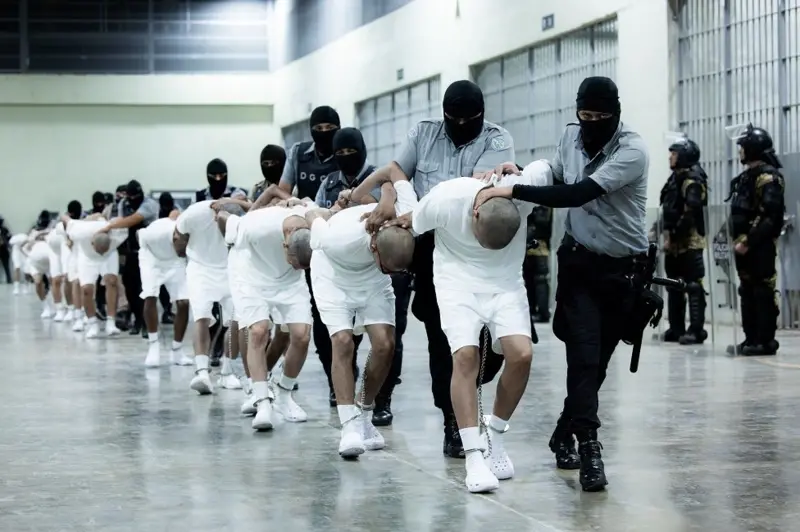
CECOT (Centro de Confinamiento del Terrorismo) is a maximum-security prison in El Salvador built as part of that country’s anti-gang crackdown and described by observers as one of the harshest detention centers in the region. Human rights groups have documented limited access to medical care, extreme isolation, overcrowding, and systematic abuse. International standards like the United Nations Convention Against Torture require humane treatment; advocates say CECOT falls well short of these norms. Legal challenges in U.S. courts have also questioned the due process afforded to those deported, arguing deportations without hearings or counsel violate constitutional protections and treaty obligations. (turn0search2)
Where the Postponed Segment Is Being Seen Online
Even though CBS delayed the broadcast, the Inside CECOT segment has circulated widely online. A cut of the episode that still included the full report was briefly streamed on Canada’s Global TV app and subsequently shared on file-sharing platforms, including torrents and peer-to-peer services that evoke the early 2000s LimeWire network. Users on Reddit and other forums pointed out that viewers used a revived LimeWire torrent to distribute the segment among file-sharing communities, acknowledging the irony of the once-blacklisted service becoming a tool to keep the report accessible after it was pulled in the U.S. Meanwhile, other copies have appeared on archival sites such as the Internet Archive and Distributed Denial of Secrets, making the postponed 60 Minutes report broadly available despite CBS’ efforts to manage distribution.
- LimeWire re-emerges in online rush to share pulled 60 Minutes segment
- Inside CECOT
Implications for Journalism
The 60 Minutes postponement and the fact that the segment continues to be shared outside traditional broadcast channels highlights tensions between legacy news gatekeeping and the decentralized nature of online distribution. Supporters of the postponed report argue that when major newsrooms delay or suppress investigative work, alternative distribution pathways can bring crucial information to the public, even as questions about editorial judgment and accountability remain at the center of the debate.
Human Impact at the Core of the Story
Beneath the newsroom controversy is the human toll of the policies the segment sought to examine. Former detainees’ accounts of life inside CECOT, captured in the deleted teaser and the leaked segment, reflect allegations of abuse and mistreatment. Advocates say these accounts deserve careful reporting and public scrutiny, whatever the broader editorial decisions about when and how the story is broadcast.
Conclusion
The postponement of Inside CECOT, the deletion of its official promotional materials, and the grassroots online circulation of the segment itself have made the 60 Minutes story part of a broader conversation about journalistic independence, media gatekeeping, and public access to information. As CBS maintains the story will air once additional reporting is complete, critics and viewers continue to engage with the segment through alternative platforms, raising questions about how major media organizations balance editorial caution with public accountability.
What do you feel about this post?

Like

Love

Happy

Haha

Sad