







🎭 Clash, Context and Candid Quotes … Inside the Susie Wiles-Vanity Fair Drama and White House Pushback
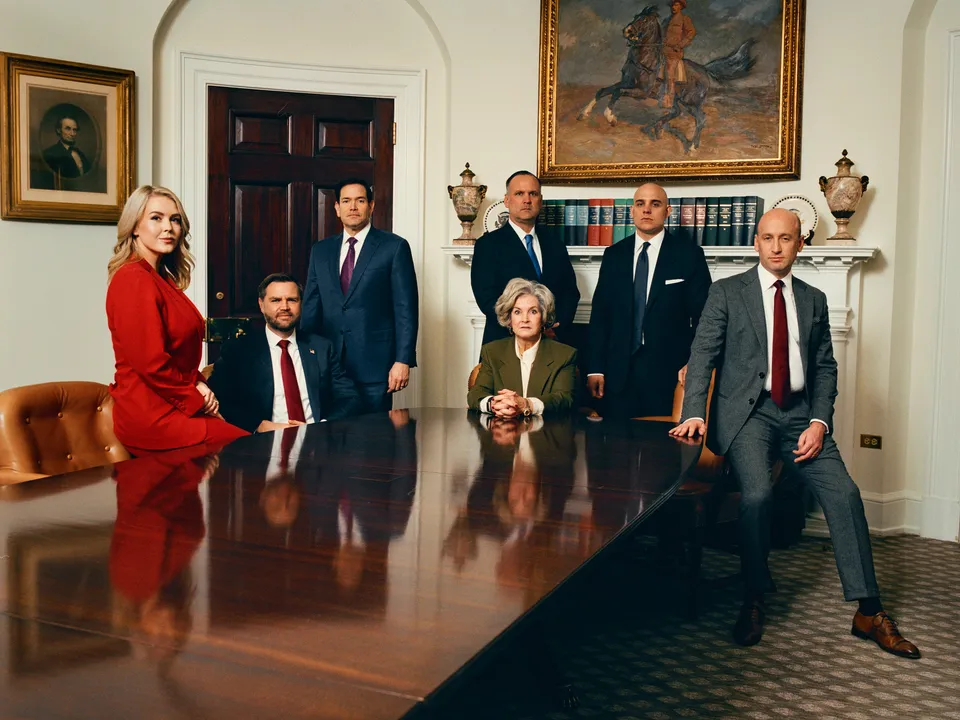
Susie Wiles with senior White House staff, including JD Vance, collectively nicknamed the “Junkyard Dogs” by Vanity Fair. The image accompanies a two-part profile offering a candid look inside the Trump White House during his second term. Photo by Christopher Anderson for Vanity Fair, December 16, 2025.
By Gina Hill | Alaska Headline Living | December 2025
WASHINGTON – A rare and unusually candid two-part Vanity Fair profile of White House Chief of Staff Susie Wiles has ignited a public dispute over context, framing, and how much control public officials have once their words are spoken on the record.
The articles, based on extensive interviews conducted on the record, offered a detailed look inside President Donald Trump’s second administration. They included blunt assessments of leadership style, internal tensions, and policy disagreements, drawing swift attention in Washington because such openness from a sitting chief of staff is uncommon.
Soon after publication, Wiles pushed back forcefully, saying the portrayal did not fairly reflect her views.
“The piece was disingenuously framed,” Wiles said, arguing that her comments were presented in a way that emphasized conflict while omitting broader explanations and positive assessments she said she also provided.
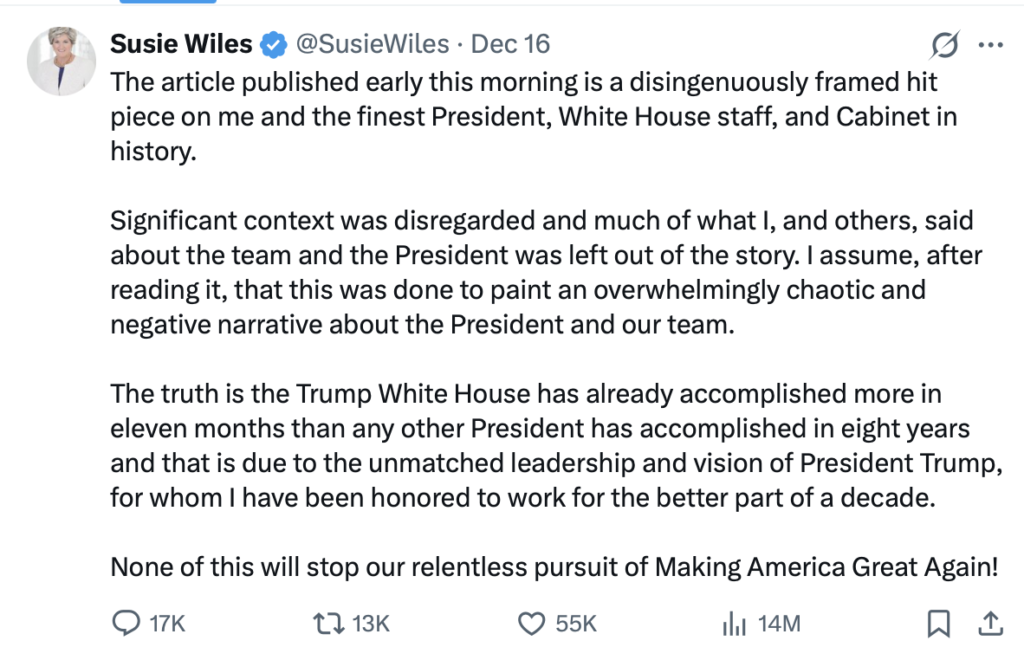
Wiles did not dispute the accuracy of the quotations attributed to her, nor did she claim she was misquoted. Instead, she said the way the remarks were arranged and emphasized created an overall impression she does not believe reflects her intent or her working relationship with the president.
What Vanity Fair Reported
In the two-part profile, Vanity Fair described Wiles as a powerful internal enforcer charged with imposing discipline and structure inside a demanding White House environment. One of the most widely discussed passages involved Wiles describing President Trump as having what she called “an alcoholic’s personality,” which the article presented as a metaphor for impulse control and leadership temperament rather than a reference to substance use.
The reporting also detailed internal policy disputes, staff tensions, and Wiles’ views on the performance and decision-making of other senior officials. Vanity Fair stated that all interviews were conducted on the record.
Wiles’ Broader Explanation
As the reaction grew, Wiles said her comments were part of longer conversations about governance, leadership pressure, and managing a high-stakes administration. She argued that the final presentation overstated division while downplaying areas of cooperation and effectiveness.
Trump Voices Support
President Trump publicly backed his chief of staff and rejected suggestions that the interviews revealed dysfunction inside his administration.
“Susie is doing a fantastic job,” Trump said.
The White House has not indicated any change to Wiles’ role following the publication.
Vanity Fair Responds
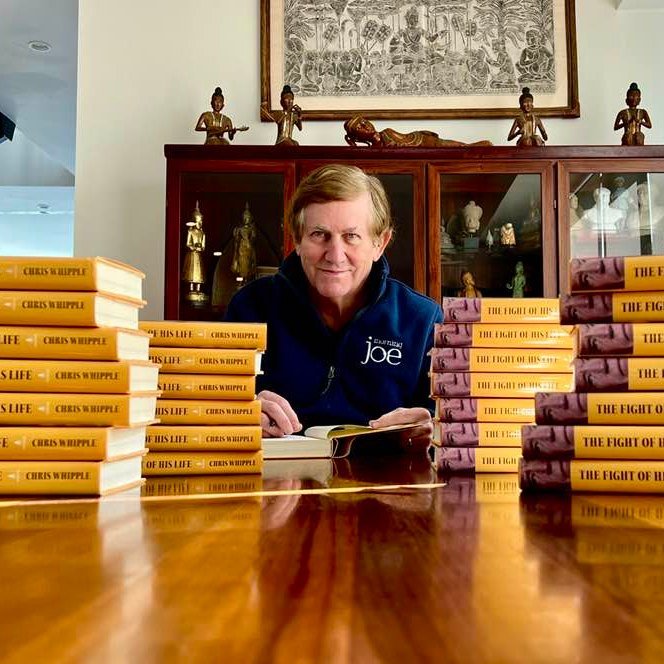
Vanity Fair reporter Chris Whipple, who authored the profile and conducted 11 on-the-record interviews with Wiles, has directly challenged claims that the articles were misleading or taken out of context.
“Everything in the article was on the record. I recorded every interview,” Whipple said.
Whipple said the quotations attributed to Wiles accurately reflect what she said during those recorded conversations and that the publication stands by its reporting. In subsequent media appearances, he said no specific quote or factual assertion in the articles has been challenged by Wiles or the White House.
He characterized the criticism as what journalists often call a “non-denial denial,” meaning objections to framing rather than disputes over what was actually said. Whipple added that even the most talked-about remarks in the profile are supported by recordings from the interviews.
Where the Dispute Stands
At its core, the disagreement is not about whether the remarks were made. It is about context and emphasis. Wiles says the articles highlighted conflict while leaving out broader explanations and positive commentary. Vanity Fair maintains the quotes were accurate, on the record, and presented faithfully.
This episode highlights that even the most open and candid conversations at the top can spark controversy when they meet the relentless spotlight of political power.
What do you feel about this post?

Like

Love

Happy

Haha

Sad