



Under Fire: A Growing Global Assault on Journalists, Photojournalists and News Media
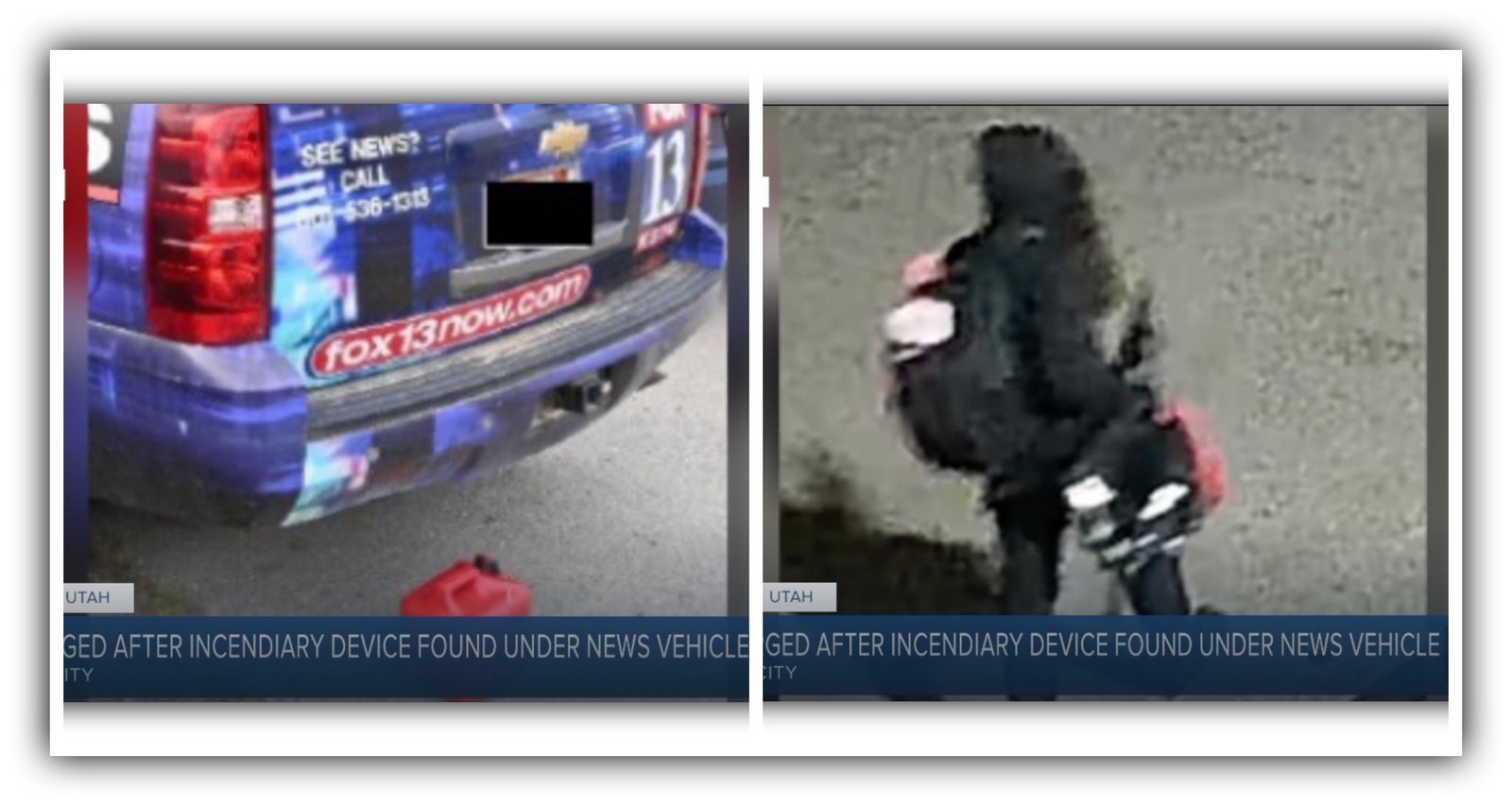
Left: A red gas can sits on the ground near the back bumper of a FOX 13 news vehicle in Salt Lake City, discovered after an attempted incendiary attack. Right: Security camera footage shows a suspect handling a gas can believed to be the same device. Charges against two initially arrested men were later dismissed; a separate federal case is ongoing. (Photos: FOX 13 News)
By Gina Hill | Alaska Headline Living | December 2025
📉 Alarming Trends: From Broken Cameras to Fatal Bombings
Journalists and media workers worldwide face escalating danger … whether covering protests in U.S. cities, reporting from conflict zones abroad, or simply performing routine reporting. Press‑freedom watchdogs and data‑tracking efforts document the scale and severity of attacks.
- The U.S. Press Freedom Tracker records thousands of incidents of assaults, equipment damage, arrests, and other violations against journalists in the United States alone. (pressfreedomtracker.us)
- In 2020, it documented a surge of press‑freedom violations: 438 physical attacks, many tied to nationwide protests. (rcfp.org)
- Equipment damage is common, including smashed cameras, phones, and broadcast gear. News vehicles have also been vandalized. (rcfp.org)
A recent example in the United States highlights the dangers reporters face even in domestic settings. In September 2025, an incendiary device was discovered under a FOX 13 news vehicle in Salt Lake City. Bomb technicians determined the fuse had been lit but burned out before igniting the gasoline, preventing an explosion. State charges against two men initially arrested in connection with the incident were later dismissed due to missing FBI evidence, though a separate federal case is ongoing. (fox13now.com)
⚠️ Types of Attacks on Media Workers
Media workers face threats ranging from harassment to lethal violence:
- Physical assault. Journalists are often targeted during protests or civil unrest. Rubber bullets, chemical irritants, and projectiles are commonly reported. (pressfreedomtracker.us)
- Equipment destruction. Cameras, phones, and news vehicles can be damaged or seized, impairing reporting. (rcfp.org)
- Arson or bombings. In conflict zones or targeted attacks, media offices, vehicles, and personnel have been harmed, sometimes fatally. (unesco.org)
- Legal harassment and detention. Journalists covering protests or political events have been arrested, jailed, or prosecuted. (freedom.press)
🌎 Global Context
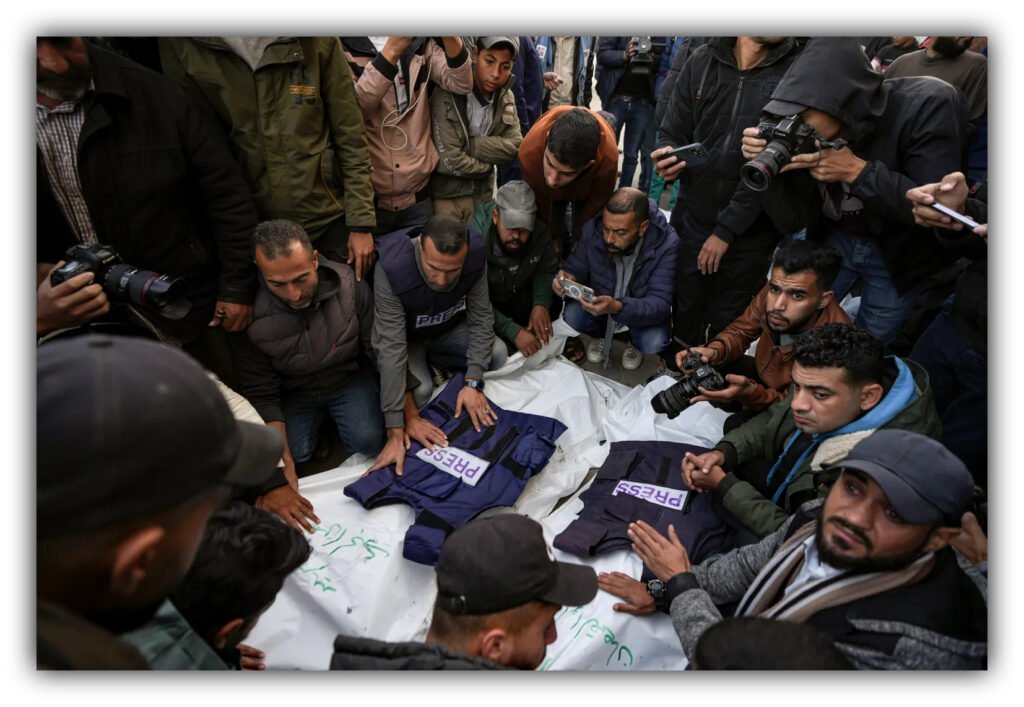
- In war zones, journalists are regularly killed or kidnapped. CPJ reported at least 124 journalist deaths worldwide in 2024, many in conflict zones. (cpj.org)
- Reporters Without Borders estimates that nearly 1,700 journalists were killed globally between 2003 and 2022. (aljazeera.com)
🔎 Why This Matters
The costs of attacks on media workers extend beyond individuals:
- Critical stories go unreported.
- Local news coverage shrinks, creating “news deserts.”
- Self-censorship rises under threat.
- Attacks establish media as a symbolic target, affecting entire outlets.
🛡️ Protection and Accountability
Experts advocate:
- Stronger legal protections for journalists domestically and internationally.
- Institutional safety measures for news organizations and freelancers.
- Transparent documentation of attacks to aid accountability.
🏠 What People at Home Can Do
Even from home, citizens can take steps to protect journalists and support press freedom:
- Support Independent Journalism
- Subscribe to reputable outlets and freelance journalists to fund reporting.
- Donate to organizations like the Committee to Protect Journalists (CPJ), Reporters Without Borders (RSF), or the Freedom of the Press Foundation.
- Share Accurate Information
- Amplify verified news and avoid spreading unverified reports.
- Raise awareness about press‑freedom issues in your community.
- Advocate for Journalist Safety
- Encourage local representatives to support policies protecting reporters.
- Support initiatives providing training, legal aid, and safety resources for journalists.
- Stay Informed Safely
- Follow updates from primary sources: press-freedom organizations, government press releases, and verified news outlets.
- Educate Yourself and Others
- Learn about press freedom issues and explain the risks journalists face.
- Teach younger generations the value of a free press for democracy.
From domestic threats, like the FOX 13 news vehicle incident, to global conflict‑zone killings, journalists and photojournalists face a wide array of risks. Protecting the press is essential for public knowledge, democracy, and transparency, and by taking practical steps at home, people can help strengthen press freedom, support journalists, and ensure the public continues to receive trustworthy news.
What do you feel about this post?

Like

Love

Happy

Haha

Sad