

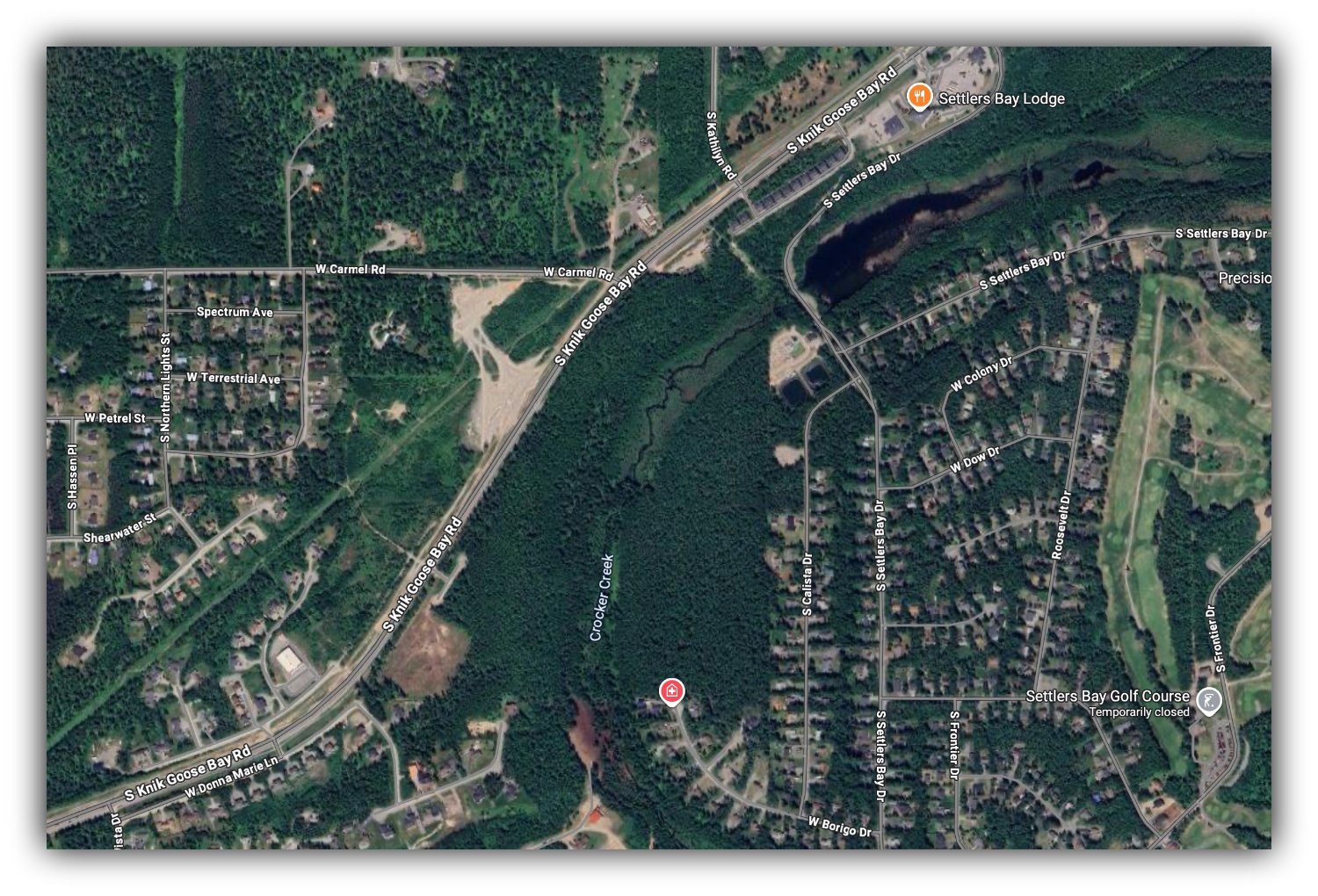
🚨Shots on Knik Goose Bay Road
How to Survive a Road Rage Shooting and What Drivers Need to Know About Road Rage and Self-Defense in Alaska
By Gina Hill | Alaska Headline Living | December 2025
What Happened, and Why It’s Raising Alarms
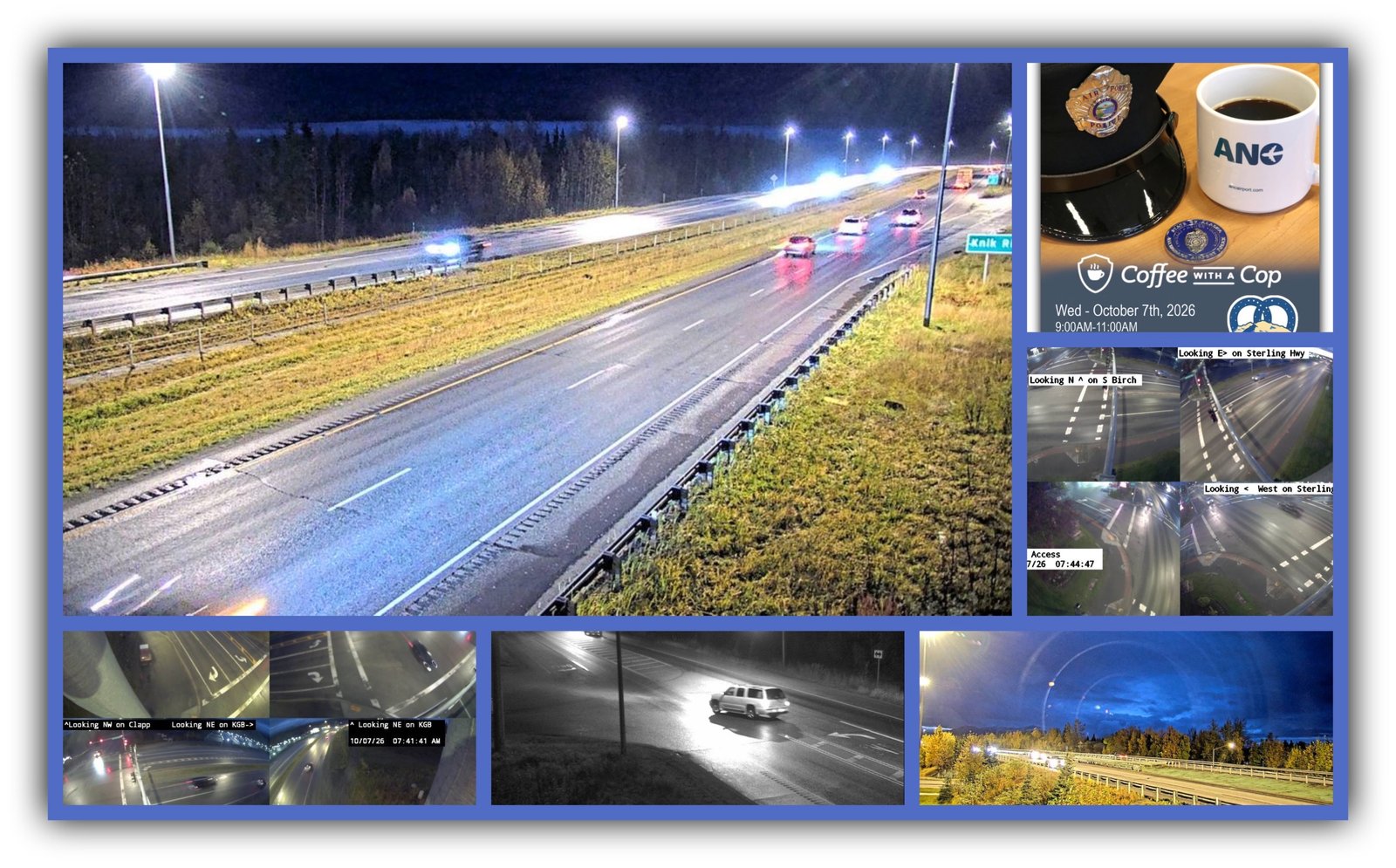
On November 27, 2025, a routine drive on Knik Goose Bay Road near Carmel Road turned into a near-fatal encounter. According to Alaska State Troopers, a driver reported that another vehicle passed him aggressively, pulled alongside, and the driver opened his door and pointed a handgun. As the victim continued past, the gunman fired two rounds, striking the victim’s vehicle.
Troopers later identified the suspect as 66-year-old Ronald Hand and arrested him on charges including attempted murder, weapons misconduct, assault, and criminal mischief. He was remanded to Mat-Su Pretrial without bail.
This incident is alarming but not isolated. Alaska ranks among the highest states for gun ownership, and its rural roads often create conditions where tempers and weapons collide. The Knik Goose Bay shooting highlights a growing concern for drivers: what to do if someone threatens you with a gun on the road and how far the law allows you to go to defend yourself.
How to Protect Yourself if Someone Threatens or Shoots at You While Driving
Traffic-safety experts recommend the following steps for drivers who face aggressive or armed motorists:
- Stay calm and avoid escalation
Do not gesture, honk excessively, brake check, or respond aggressively. Avoid eye contact and focus on your route. Escalation dramatically increases the risk of violence. - Create distance
Drive away from the aggressor whenever possible. Change lanes, accelerate, or slow down as needed to increase space. Do not lead an armed driver to your home. Head toward a public, well-lit location such as a hospital, police station, fire station, or open business. - Call 911 immediately
Provide the dispatcher with your location, direction of travel, a description of the suspect vehicle, and any immediate threats. Stay on the line if possible. - Stay inside your vehicle with doors locked
Your car offers concealment and limited protection. Exiting often increases risk unless the vehicle is disabled or unsafe. - If forced to stop, move to cover
Seek a barrier, building, or other solid cover. Avoid standing near your vehicle. - Preserve evidence if safe
Photograph bullet impacts, vehicle damage, and the scene. Record license plates or identifying features. These details are vital for law enforcement. - Seek medical evaluation
Adrenaline can mask injuries. Even minor impacts or near misses warrant a check by medical professionals.
Alaska’s Self-Defense Law: What Drivers Need to Know
Nondeadly force
Under Alaska Statute 11.81.330, you may use nondeadly force if you reasonably believe it is necessary to defend against unlawful force. This justification is lost if you were the initial aggressor, provoked the encounter, or engaged in mutual combat. You may regain the right to defend yourself if you withdraw and communicate that withdrawal.
Deadly force
Alaska Statute 11.81.335 allows deadly force only if:
- You are justified in using nondeadly force.
- You reasonably believe deadly force is necessary to prevent death, serious injury, kidnapping, robbery, or sexual assault.
- You cannot retreat safely.
Because public roads are not private property, the duty to retreat generally applies. If you can safely drive away, the law expects you to do so. Courts closely examine whether escape was possible, whether the threat was imminent, and whether the defender provoked the confrontation.
In practice, flight is usually the safest and most legally defensible option.
Road Rage, Speeding, and Aggressive Driving in Alaska
Speeding is often a symptom of aggressive driving rather than the sole behavior. Tailgating, unsafe lane changes, cutting off vehicles, and hostile gestures frequently accompany speeding. Not all speeding is aggressive, but combined with other behaviors, it can signal dangerous road rage.
Data Snapshot (Alaska 2017–2023)
| Measure | Recent Findings |
|---|---|
| Speeding-related fatalities (2023) | 8 deaths statewide (dot.alaska.gov) |
| Speeding fatalities as share of all traffic deaths (2023) | ~12% |
| Trend 2013–2023 | Numbers fluctuate; 42 deaths in 2018 (spike), 8 in 2023 (dot.alaska.gov) |
| Aggressive driving as a contributing factor | Not separately tracked in public data, but speeding is often an indicator of broader aggressive driving patterns |
| National context | Speeding-related crashes account for ~29% of U.S. traffic fatalities (ghsa.org) |
| Significance for Alaska | Rural roads, long distances, high gun ownership, and slower emergency response times amplify risks associated with speeding and aggressive behavior |
Takeaways: Even when speeding alone is reported, it may understate the prevalence of aggressive driving or road-rage incidents. Drivers should treat aggressive or hostile behaviors on the road as a serious threat.
Conclusion
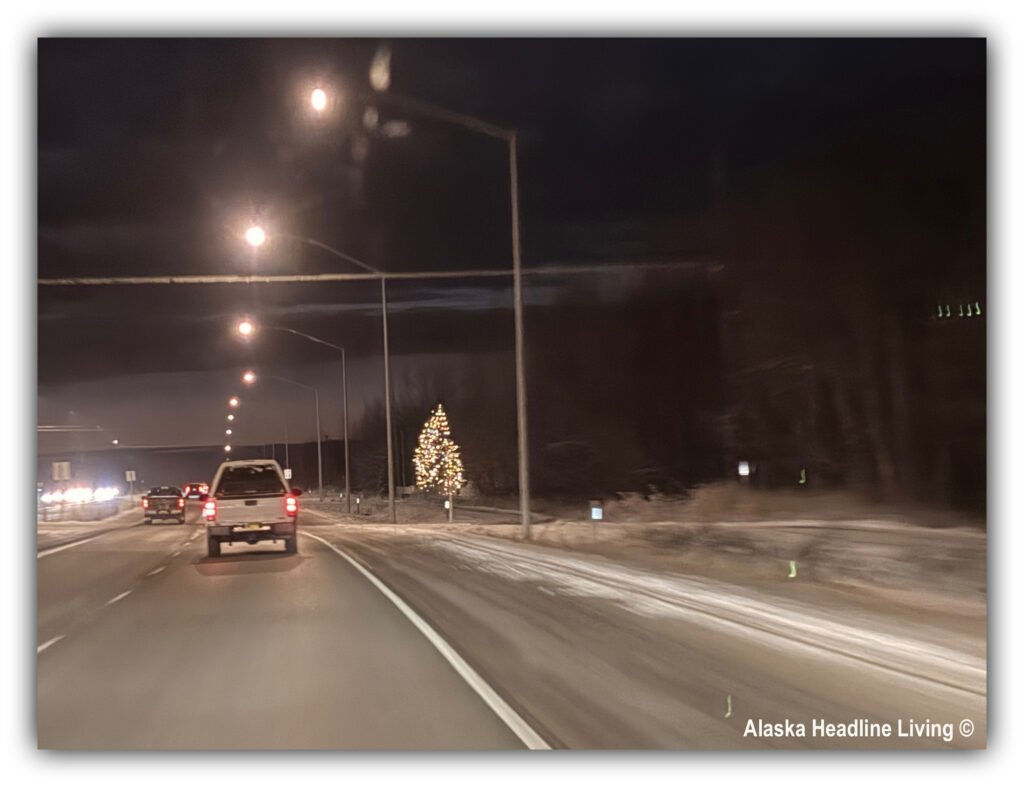
The Knik Goose Bay shooting is a stark reminder that ordinary drives in Alaska can become life-threatening. Speeding and other aggressive behaviors often signal escalating danger, which is compounded by firearms in vehicles.
Alaska drivers should prioritize safety over confrontation: disengage, create distance, call 911, and seek secure locations. While self-defense laws provide protections, they impose strict limits. Understanding these laws and the risks of aggressive driving can save lives on the road.
What do you feel about this post?

Like

Love

Happy

Haha

Sad