










U.S. Maritime Killings Raise Legal Stakes as Budget Documents Show Strikes Cost Tens of Thousands Each
Screenshot from video shared by the White House and President Trump stating that a US military strike was conducted against ‘violent drug cartels’ that pose a threat to the United States.
With no Pentagon release on latest deaths, primary-source budget records reveal the scale and price of America’s expanding at-sea lethal operations
By Gina Hill | Alaska Headline Living | November 2025
WASHINGTON – The U.S. military’s at-sea lethal operations, including a strike that reportedly killed three people on a vessel in the Caribbean this week, carry direct costs ranging from tens of thousands of dollars for a single drone-launched missile to more than a million dollars per day when supported by major naval platforms, according to Defense Department budget documents and federal oversight reports.
The Department of Defense has not yet published an operational press release or legal memorandum describing the circumstances, authority or casualty details of the most recent strike. The absence of a Pentagon statement leaves budget records, drug-interdiction authorities and aircraft sustainment data as the only primary-source documentation available.
Marine Aviation Weapons and Tactics Squadron-1
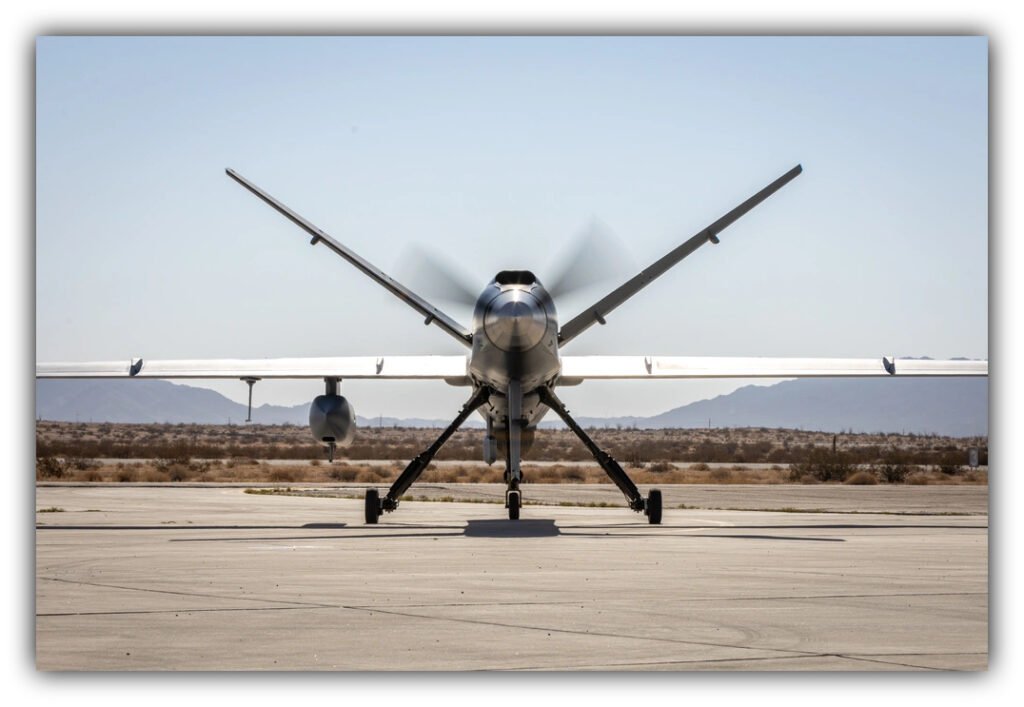
According to Special Operations Command budget exhibits, an MQ-9 Reaper drone, one of the aircraft commonly used in maritime interdiction, costs $6,144 per flight hour, while congressional procurement records show Hellfire-class missiles averaging about $82,700 per unit in recent acquisition cycles. A one-hour MQ-9 sortie using a single missile therefore carries a direct cost of roughly $90,000, excluding intelligence, legal review and command-and-control overhead.
“Even the simplest strike relies on aircraft and munitions with cost structures that climb rapidly once support, intelligence and naval deployment are factored in,” federal budget documents show.
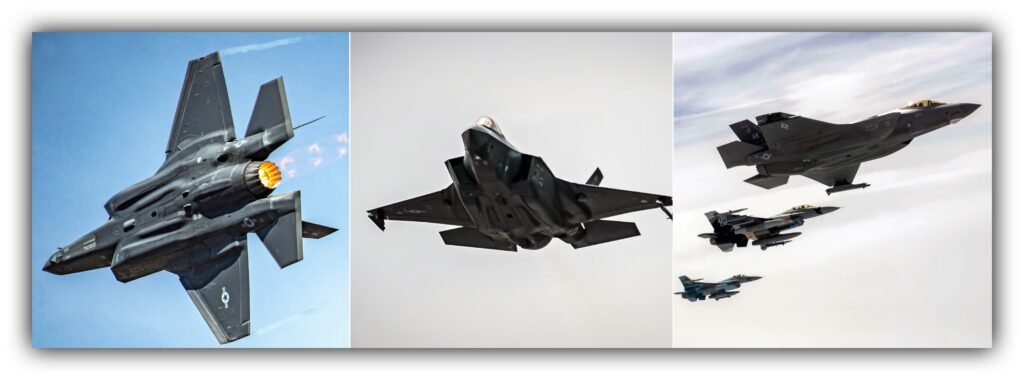
Higher-end aircraft multiply those costs. A Government Accountability Office sustainment review estimates that an F-35A fighter’s annual operating cost, divided by its planned flight hours, places its per-hour cost at over $35,000, meaning a standard two-hour strike with a single precision weapon can exceed $150,000 in direct expenses.
If a carrier strike group enables the mission, costs escalate dramatically. The Navy’s Selected Acquisition Report for the Ford-class carrier lists an average annual operations and support figure of $407 million per ship, translating to more than $1.1 million per day, before aircraft and munitions expenses are added.
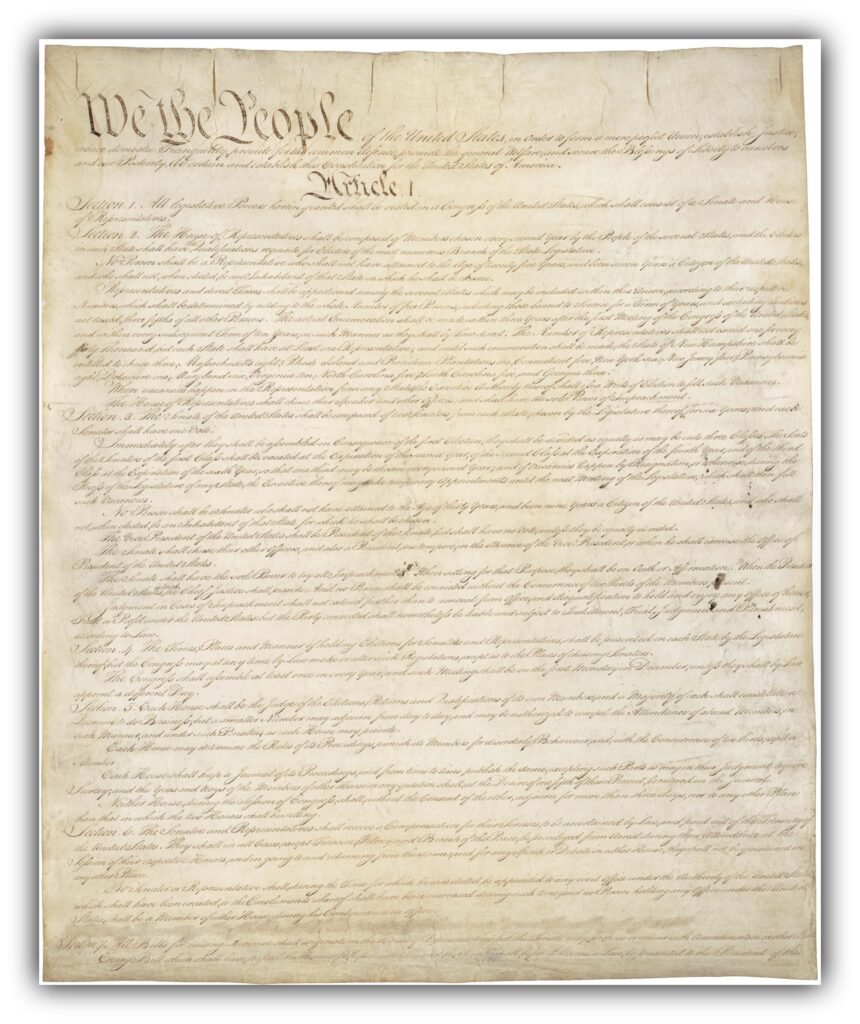
The lethal operations also raise unresolved legal questions. The Constitution grants Congress authority over war powers, while the War Powers Resolution requires presidential reporting within 48 hours of introducing U.S. forces into hostilities. Congressional research records show that, although lawmakers may restrict funding or force debates under the statute, enforcement through the courts has historically been limited.
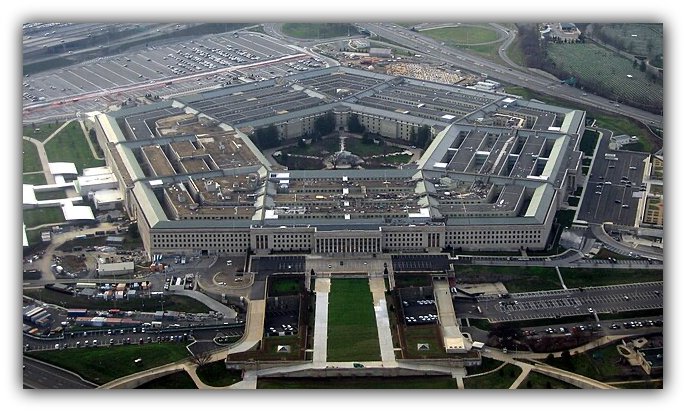
Defense Department drug-interdiction authorities, outlined in federal budget books, allow the Pentagon to support law enforcement and detect and monitor suspected smuggling operations overseas. But those authorities do not eliminate the requirement for the executive branch to document its legal basis when lethal force is used outside traditional war zones.
Congressional oversight mechanisms, from subpoenaing legal opinions to restricting appropriations, remain the primary formal tools available to lawmakers if they determine that a president has exceeded statutory or constitutional limits. The Pentagon’s lack of published documentation on the most recent deaths means those oversight pathways cannot be exercised fully until a legal rationale or after-action report is provided.
The Defense Department has not responded to questions regarding when, or whether, it will release a formal statement on the latest strike.
What do you feel about this post?

Like

Love

Happy

Haha

Sad