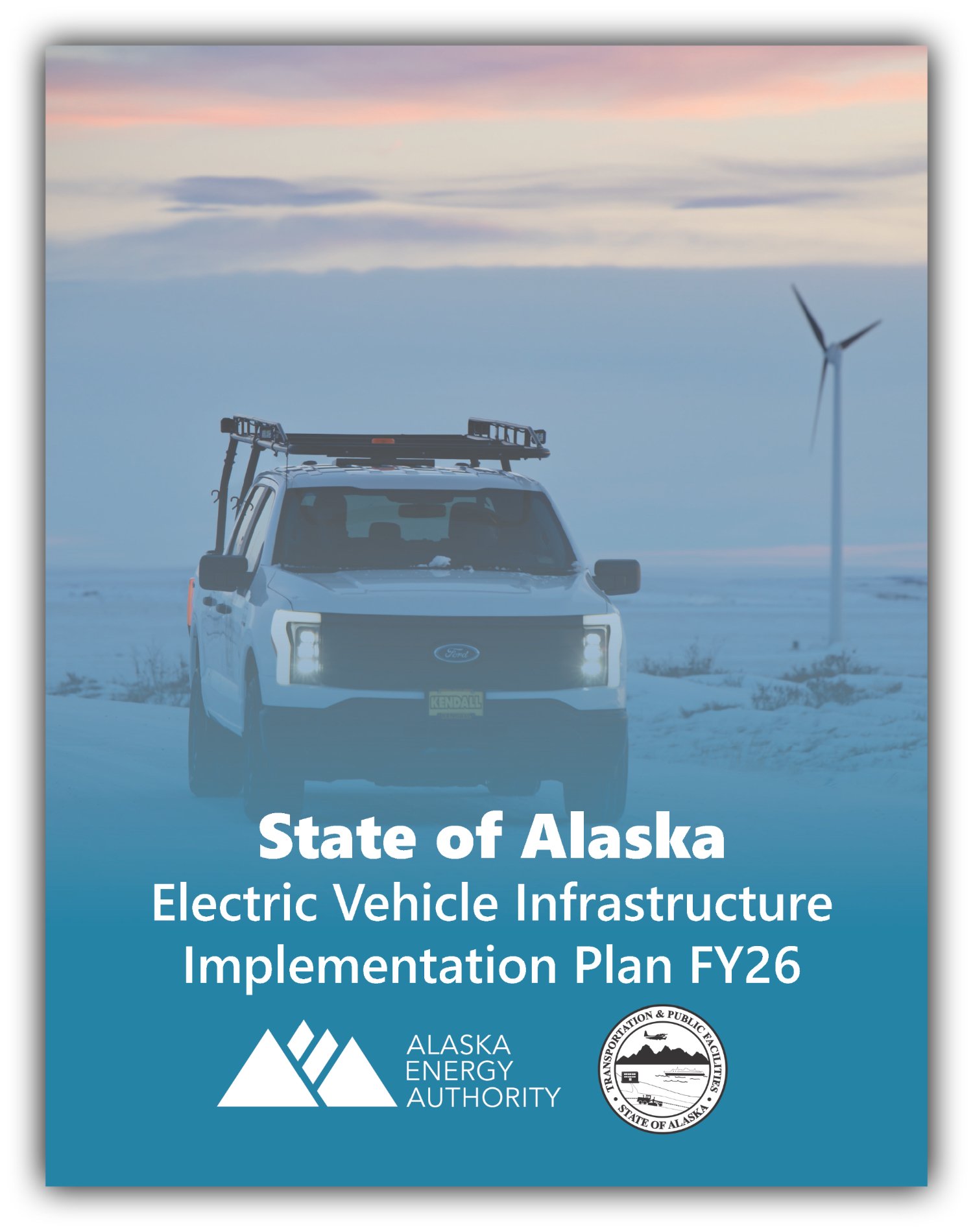
The Alaska Energy Authority’s latest FY26 NEVI Plan
How shipping bans, cold weather, and red tape are stalling the state’s electric vehicle future
By Gina Hill | Alaska Headline Living | November 2025
When Alaskans talk about the road to electrification, they don’t mean a metaphor—they mean actual roads. And right now, those roads are short. The state is laying the groundwork for a future of electric vehicles (EVs), but a tangle of shipping bans, extreme climate, and regulatory slowdowns is keeping that future stuck in neutral.
⚙️ The Promise: An Electric Alaska
The Alaska Energy Authority’s latest FY26 NEVI Plan maps out a statewide “alternative fuel corridor,” with Anchorage-to-Fairbanks first in line for fast chargers. Pilot programs in places like Homer and Cantwell show EVs can handle the cold … if they have power, parking, and patience.
Federal funds are flowing, too. The National Electric Vehicle Infrastructure (NEVI) program is meant to connect far-flung Alaskan towns with reliable charging every hundred miles or so. But on a map where “next town” can mean “200 miles over mountain passes and permafrost,” that’s easier drawn than done.
🧊 The Cold Truth: Physics Doesn’t Like -30°F
Even in cities, winter range loss is a real hurdle. Batteries can lose up to 40 percent of their capacity when temperatures plunge, and charging slows dramatically in subzero weather. Pre-conditioning, heated garages, and new heat-pump systems help, but they all add cost and complexity.
The National Renewable Energy Laboratory (NREL) recently modeled EV performance in Fairbanks, confirming what local drivers already know: cold drains range, and infrastructure must adapt. Smart chargers, battery warmers, and micro-grid designs can make EV ownership realistic. But, those upgrades aren’t cheap or quick.
🚢 The Shipping Snag: “No Batteries Beyond the Lower 48”
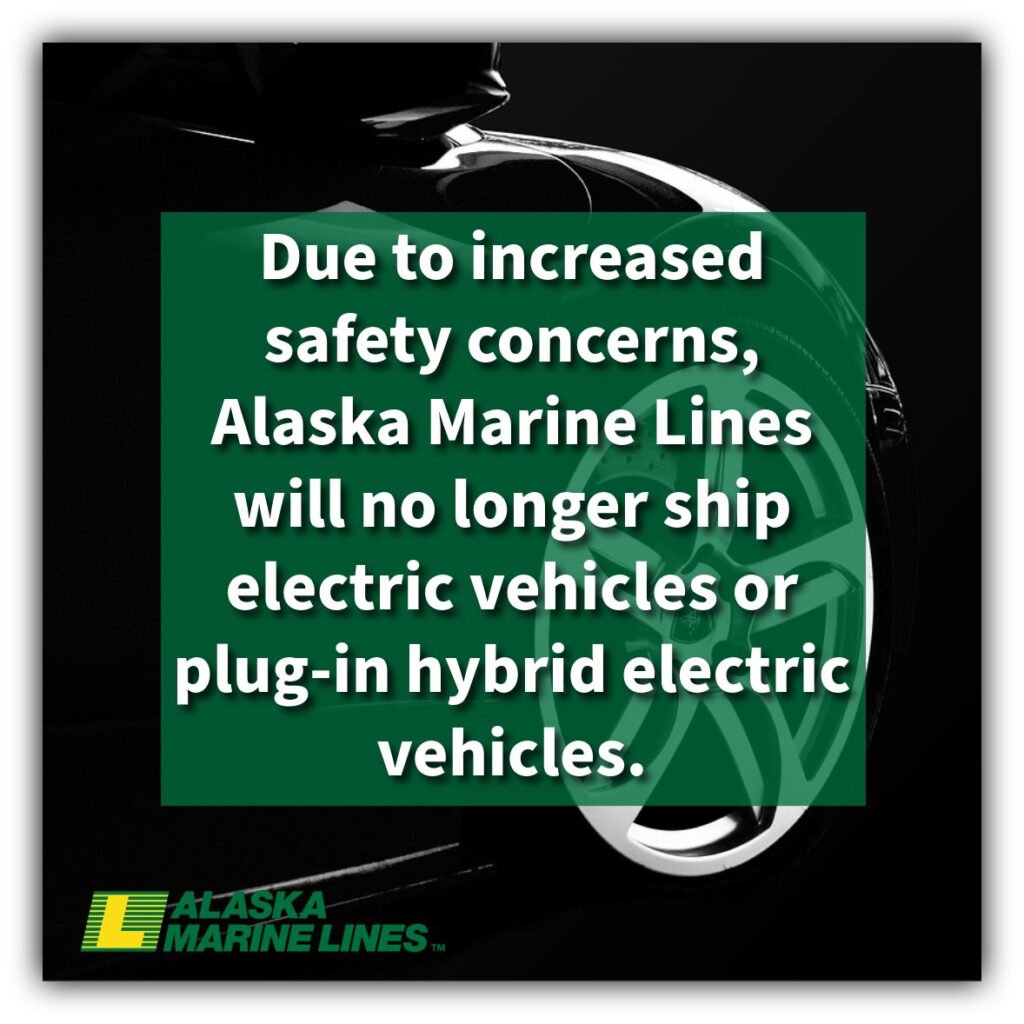
Here’s where Alaska’s unique geography becomes a national case study in supply-chain irony. This summer, Alaska Marine Lines (AML), the state’s largest barge carrier, announced it would no longer ship electric vehicles or plug-in hybrids to Alaska or Hawaii. The reason? Fire risk from large lithium-ion batteries aboard ships.
The decision followed several high-profile maritime fires involving EVs and lithium cargo. AML’s policy doesn’t just ground new vehicles, it also blocks shipments of replacement batteries, the lifeblood of an emerging EV service industry.
Air freight isn’t much easier. Alaska Air Cargo accepts lithium batteries only if they meet strict “dangerous goods” classifications and are packed inside equipment (UN 3481/3091). Stand-alone batteries (UN 3480/3090) can only travel on dedicated freighter aircraft, not passenger flights.
Even consumer-level carriers add to the pile-up. UPS and USPS limit lithium shipments to surface transport only, and most retailers outright refuse orders containing lithium-ion batteries to Alaska, Hawaii, or U.S. territories. The fine print often reads: “We will NOT ship batteries outside the continental United States.”
For EV owners in Anchorage or mechanics in Nome, that means parts delays, higher costs, or flat-out inaccessibility.
🏗️ The Grid Gap and the Rural Reality
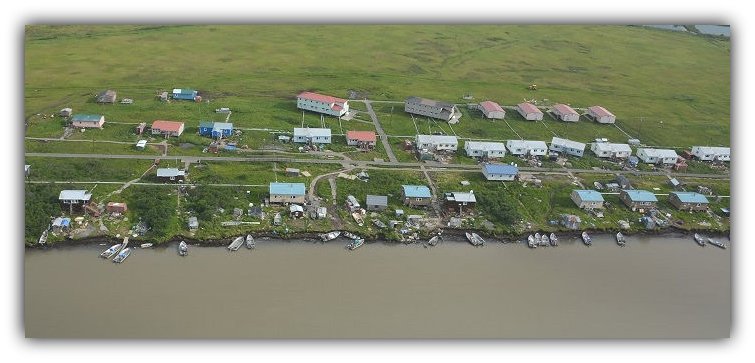
Even if batteries could freely cross the water, many communities run on small, isolated diesel grids that can’t support DC fast chargers without costly upgrades. Rural micro-grids need storage, renewable input, or both to make fast charging viable.
And then there’s the cultural fit: Alaskans depend on heavy trucks, snowmachines, and ATVs. EV versions exist but are rare, pricey, and unproven in deep-cold off-road environments.
💡 The Path Forward
Experts say Alaska’s EV transition will take tailored solutions, not copy-paste policies from California. Among them:
- Cold-rated vehicle incentives for models with heat-pump systems and battery heaters.
- Co-located battery storage at charging sites to avoid overloading rural grids.
- Freight partnerships with specialized carriers to handle hazardous shipments safely.
- Public education on winter EV operation and charging habits.
For now, Alaska’s electrified future looks less like a supercharger network and more like a series of small, hardy outposts, charging hubs powered by ingenuity and persistence.
⚡ The Bottom Line
Electric vehicles can work in Alaska. The technology exists, the demand is growing, and the state has the plan. But until shipping carriers, regulators, and engineers find a way to move big batteries safely across ocean and tundra, the dream of a fully charged Alaska will stay parked at the dock.