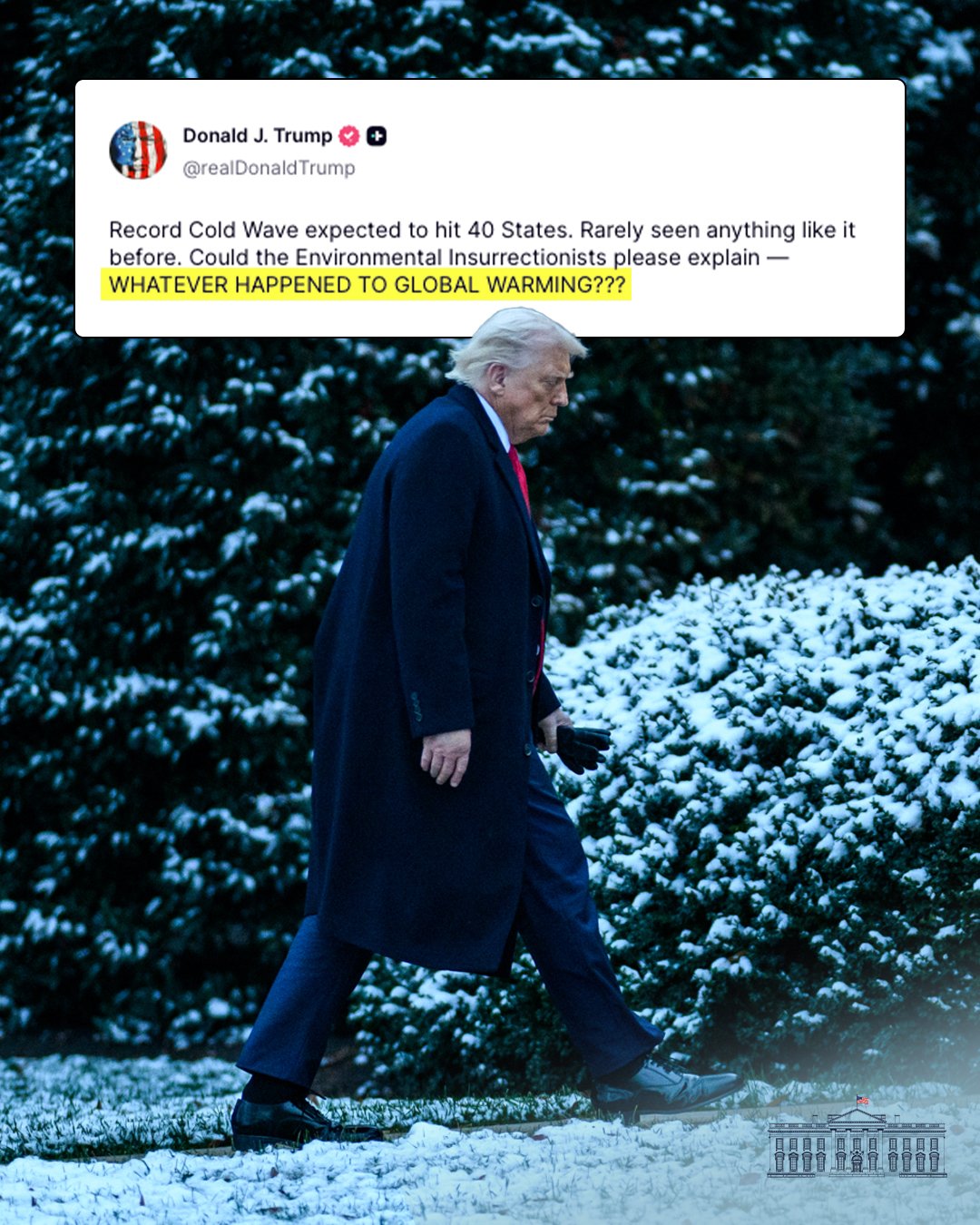
Donald Trump walks through the snow outside the White House as he mocks global warming in a social media post, asking, “WHATEVER HAPPENED TO GLOBAL WARMING???” amid a nationwide cold wave.
A Simple Science Explanation Anyone Can Follow
By Gina Hill | Alaska Headline Living | January 2026
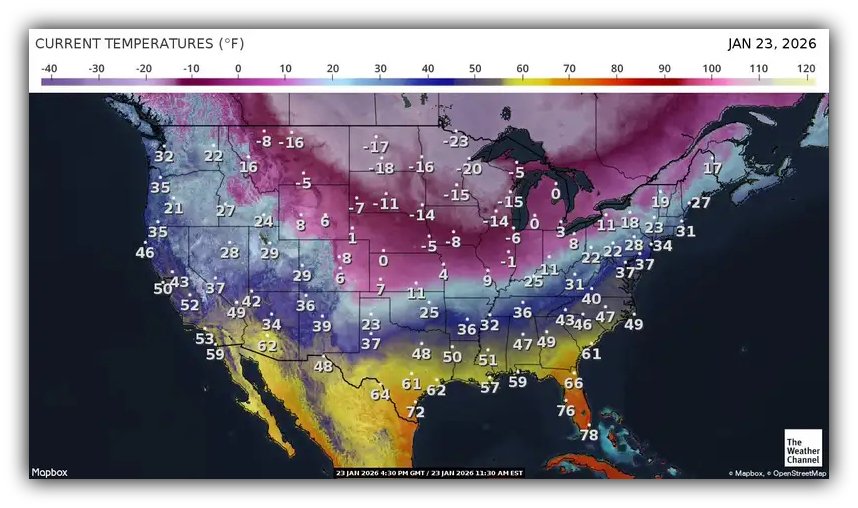
Today, a strong cold wave is hitting much of the United States. Temperatures are dropping well below zero in the North and Northeast, with wind chills making it feel even colder. The Midwest and South are also experiencing unusual cold for this time of year, and many cities are seeing snow and ice. Meteorologists say this is caused by a polar vortex sending Arctic air south, creating one of the coldest outbreaks of the season.
Easy Start
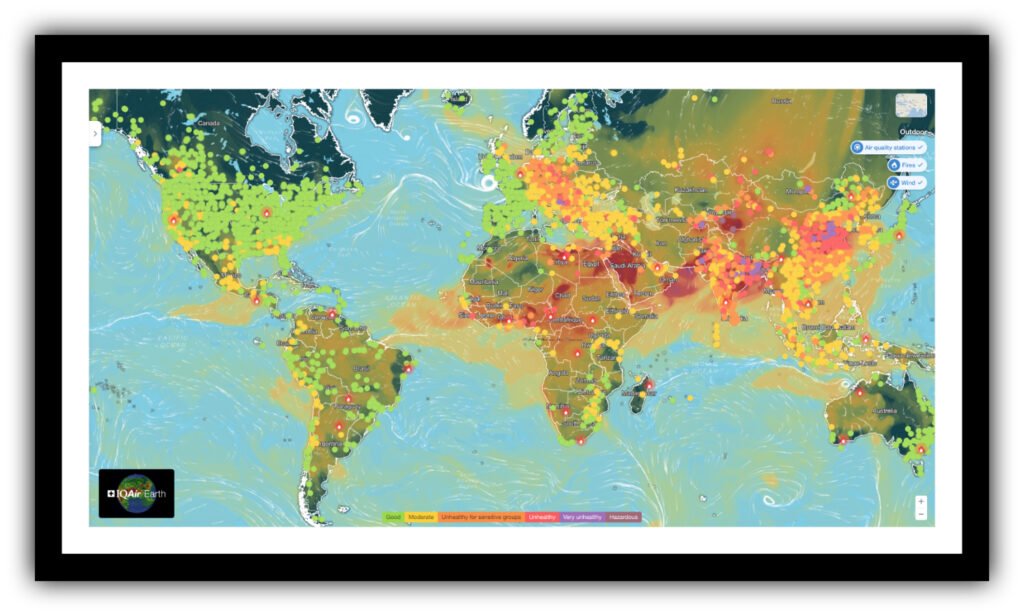
Global warming means the average temperature of the whole planet is going up because humans are adding extra heat‑trapping gases into the air, mainly by burning coal, oil, and gas. These gases make Earth warmer over many years and decades, not just for one day or one winter season. NASA and scientists around the world measure temperatures over long time periods and see that the Earth is warmer than it used to be. (science.nasa.gov)
Weather Versus Climate
Weather is what we feel outside today. It can be cold, hot, rainy, or snowy. Climate is the pattern of weather over a long time, like many years. A cold day does not mean the climate is not warming. You can still have snowy days in winter even when the planet is getting warmer overall. (ucs.org)
Think of a Warm House With a Cold Room

Imagine your house is getting warmer overall because the heater is on. But one room can still feel cold if a window is open. The house as a whole is warmer, even though one room feels chilly. In the same way, the Earth’s average temperature can go up while some places still get cold weather. (nationalacademies.org)
Why This Cold Blast Happened
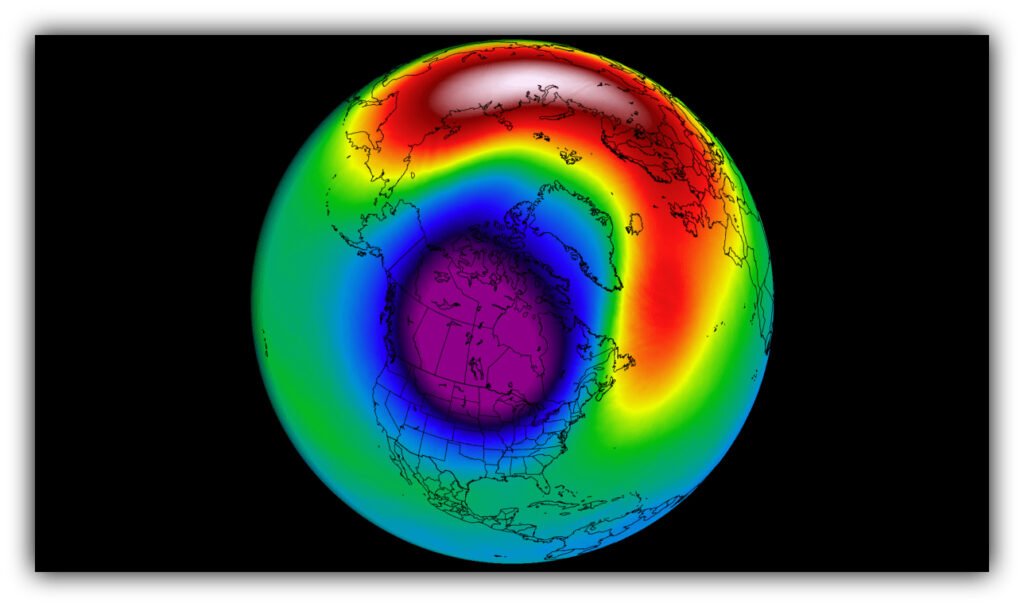
There is a big circle of cold air over the North Pole called the polar vortex. Sometimes it stays up north. Sometimes it gets pushed south into the United States. That can cause very cold weather for several days. NASA explains that the polar vortex is part of normal winter weather patterns. (climate.gov)
Why Global Warming and Cold Weather Can Happen Together
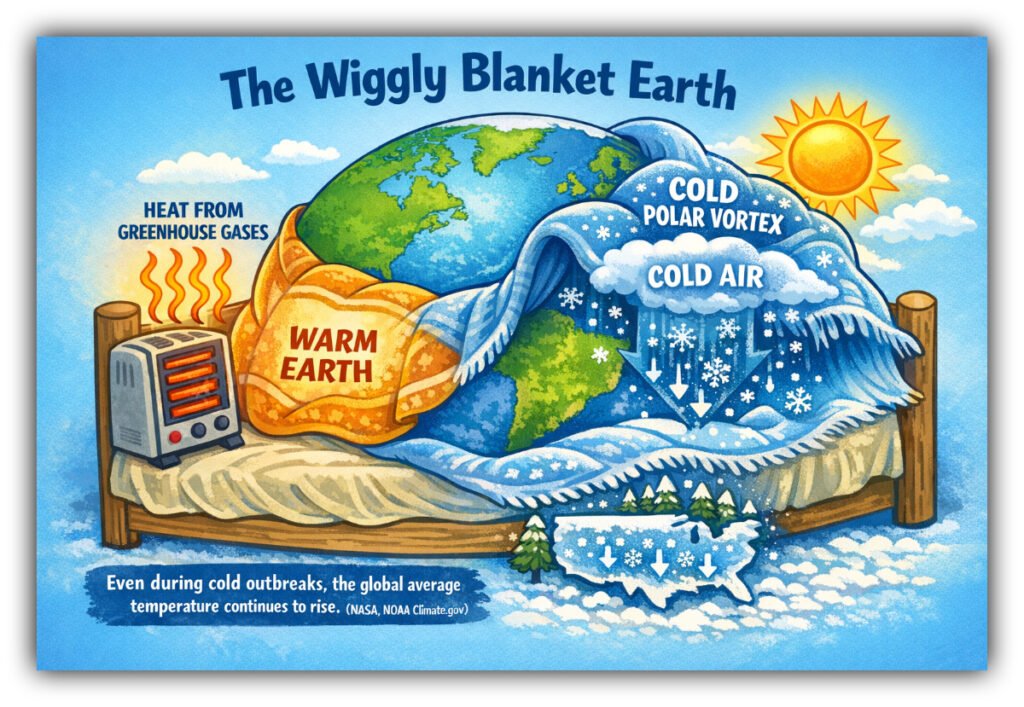
Global warming does not make cold weather go away. Scientists explain that a warmer Arctic can change wind patterns and make the polar vortex wobble more. When that happens, cold air can dip farther south, which can lead to unusually cold outbreaks in the United States. This does not mean global warming is gone. It means the system that makes weather is more unstable. (science.nasa.gov)
What the Long‑Term Data Shows
Long‑term global temperature records show the whole planet has been warming for many years. That trend is based on data collected by scientists over decades. Small cold spells do not reverse the long-term upward trend in global average temperature. (science.nasa.gov)
Here’s the Bottom Line
Cold weather does not prove global warming is not real. It just shows the difference between short‑term weather and long‑term climate. The planet can still get cold in one place while the average temperature goes up everywhere else. Global warming is about the planet’s long-term temperature, not a single cold week. The Earth is still heating up, even when Arctic air pushes south. (ucs.org)