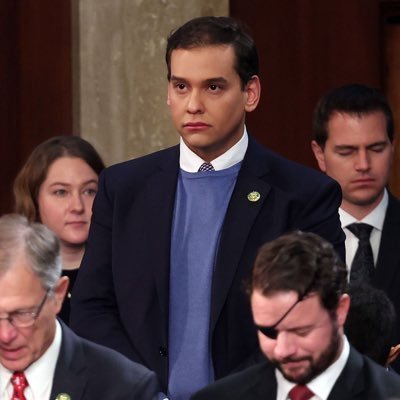
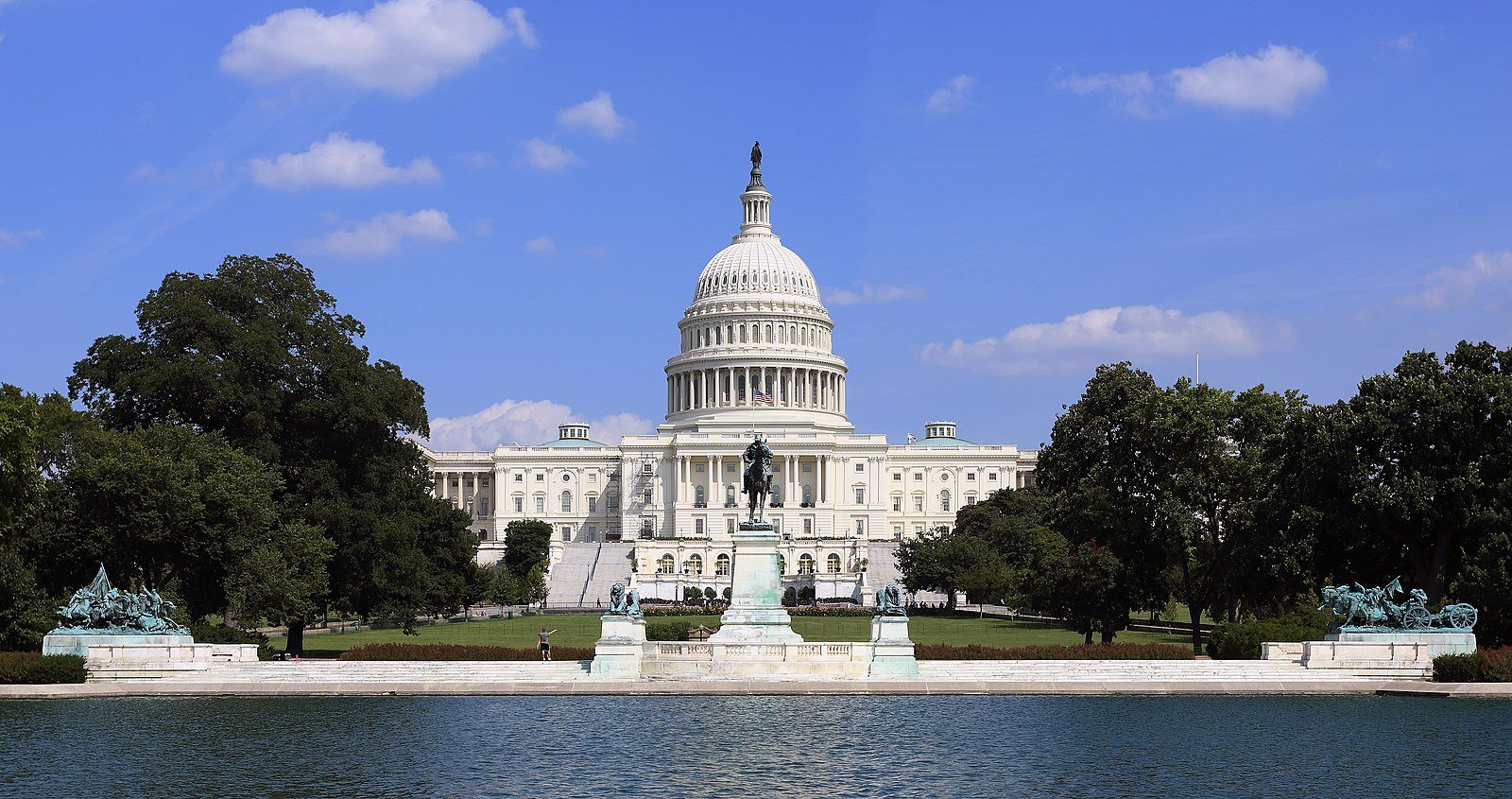
Officials like Stephen Miller, Kristi Noem, Marco Rubio, and Pete Hegseth have moved into military housing to protect themselves from protests and threats outside their civilian homes. The influx of civilian officials into housing normally assigned to senior military personnel is straining resources and affecting the availability of on-base housing for active-duty members./Military.com
An Investigative Look at the Safety Claims, the Perks … and the Price Tag
By Gina Hill | Alaska Headline Living | November 2025
When Cabinet members and senior advisers in the Trump administration began quietly decamping from their private homes and reappearing at some of the most exclusive addresses in Washington — military bases traditionally reserved for generals and command staff — the public only learned of it through scattered leaks, whistleblower complaints, and stray Pentagon memos.
The official justification? Safety.
The full picture? More complicated.
A Growing Pattern Inside Secure Perimeters
In recent months, Homeland Security Secretary Kristi Noem, senior adviser Stephen Miller, and others have relocated into military housing on installations such as Fort McNair and Joint Base Anacostia–Bolling. Normally, these historic homes serve generals whose duties require them to live on base, not political appointees.
Pentagon insiders privately call the trend “unprecedented.” Military families describe it more bluntly: “political boarding privileges.”
✅ Documented Threats: What’s Real, What’s Verified, and What’s Not
Evidence supporting the officials’ stated reason, “safety”, does exist, but it’s uneven and often incomplete. Here’s what can be confirmed.
Kristi Noem

DHS publicly acknowledged that Noem moved after being “horribly doxxed and targeted,” with her residential information circulating widely online after media photos identified her apartment. Officials say threats spiked significantly afterward.
This is the clearest, most substantiated case.
Stephen Miller

Miller had weeks of organized protest at his Arlington condo. Protesters:
- displayed signs naming his address
- chalked sidewalks
- allegedly attempted to confront him at his door
This constitutes harassment and residential targeting — recognized triggers for federal relocation protocols.
A Homeland-Security Memo Warning of Home-Based Threats
A leaked DHS memo, referenced internally and reported publicly, warned of a shift toward home-focused intimidation:
- doxxing
- swatting
- doorstep confrontations
- residence mapping
The memo didn’t name individuals, but it laid the groundwork for protective relocation to secure facilities.
But Is It “Proof” of Imminent Danger?
No public evidence shows attempted attacks or armed threats at these officials’ private homes. Agencies have withheld detailed threat reports, citing security reasons.
So what we have is:
- verified harassment and doxxing
- credible, but partly classified, threat assessments
- no fully public documentation of imminent physical danger
In other words: enough to justify security action — but not enough to eliminate suspicion about secondary motives.
Security, or Perk? The Blurred Line
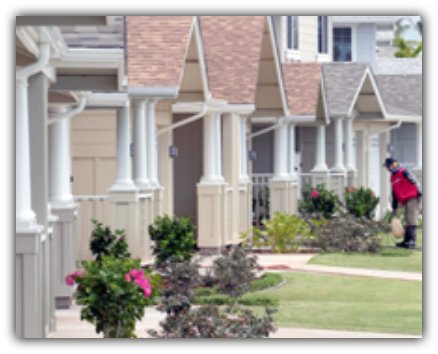
Relocating to a military base provides not only safety, but:
- privacy
- controlled access
- proximity to federal power centers
- significantly subsidized — or, in one case, free — housing
One senior military official described the optics as “deeply uncomfortable,” noting that several of these historic houses sat vacant for officers waiting for reassignment, until political appointees moved in ahead of them.
The Cost to Taxpayers
What’s known:
- ~$137,000 in Army-funded renovations on one Fort McNair home
- $4,655.70 per month rent paid by one appointee, below market rate for comparable D.C. homes
- A reported rent-free arrangement for Noem at a Coast Guard commandant residence
- Unclear accounting on utilities, maintenance, and special security retrofits
Even without abuse, the arrangements represent a meaningful transfer of exclusive military housing stock, a limited resource, to political leadership.
📄 FOLLOW-UP
Below is a clean, newsroom-ready table summarizing what has been publicly reported about each official, their housing location, cost structure, and what is confirmed or disputed.
Federal Officials Reported Living on Military Bases Housing & Cost Summary
| Official | Position | Military Base / Housing | Reported Rent / Cost | Reason Cited | Verified Evidence | Notes / Outstanding Questions |
|---|---|---|---|---|---|---|
| Kristi Noem | Secretary of Homeland Security | Coast Guard Commandant Residence (Joint Base Anacostia–Bolling) | Reported rent-free | Doxxing, threats, safety concerns | DHS publicly confirmed doxxing and inability to remain at private residence | Why was rent waived? Who approved the arrangement? Impact on Coast Guard command leadership housing? |
| Stephen Miller | Senior Adviser | Unspecified base housing; reported Fort McNair proximity | Military-rate rent (exact figure not disclosed) | Protest activity, targeted residential harassment | Documented protests, address exposure | Whether protests alone meet criteria for military relocation remains debated. |
| Pete Hegseth | Senior DOD official / media surrogate | Fort McNair “Generals’ Row” | $4,655.70/mo(military-calculated rent) | “Operational need,” security | No direct threats publicly documented; no doxxing confirmed | Army spent ~$137,000renovating his assigned home before move-in. |
| Marco Rubio | Secretary of State (under Trump) | Fort McNair (reported) | Not disclosed publicly | Security concerns | No verified threats at private residence reported publicly | Rubio’s office has not released documentation or security justification. |
| Unnamed additional senior staff | Various roles | Joint Base Anacostia–Bolling, Fort McNair | Variable rent; some subsidized | Security / operational needs | Generalized threat memos, but no specific incidents published | Raises broader policy concerns about depletion of senior-officer housing. |
What the Data Shows
- Security concerns are partially substantiated, but mostly via internal memos and selective public statements.
- The financial benefit to officials is concrete and measurable, especially in cases of subsidized or free rent.
- Taxpayer cost is real, though incomplete, due to withheld renovation/security expenses.
- Transparency is lacking: Multiple agencies have dodged Freedom of Information Act (FOIA) requests for detailed threat assessments and housing authorizations.
The Bottom Line
These moves are not baseless. High-profile officials have faced credible harassment.
But the secrecy, the perks, and the opaque decision-making have raised legitimate questions about how much of this trend is driven by danger … and how much by convenience, access, and status.
Congressional oversight committees have already begun quietly requesting briefings. The longer agencies withhold documentation, the louder the question becomes:
Are these relocations a necessary security measure? Or, an unauthorized expansion of privilege behind the gates?