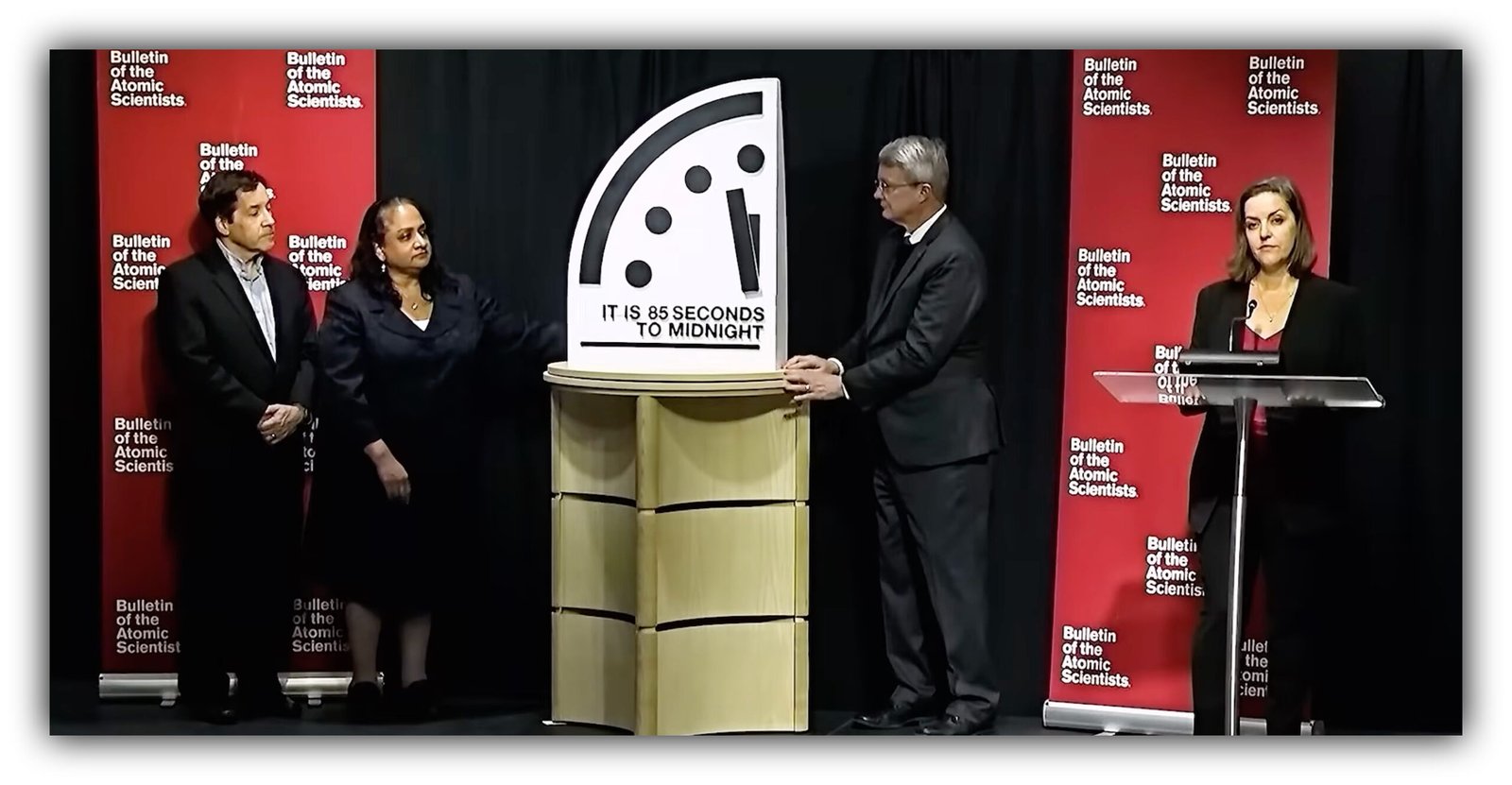
Scientists with the Bulletin of the Atomic Scientists display the 2026 Doomsday Clock at 85 seconds to midnight during a news conference Jan. 27, 2026, in Washington, D.C., highlighting rising global risks from nuclear tension, climate change, and emerging technologies.
By Gina Hill | Alaska Headline Living | January 2026
WASHINGTON (Jan. 28, 2026) – Alaska is feeling the world’s growing risks more acutely than most places, and scientists say those dangers are increasing. This week, the Bulletin of the Atomic Scientists moved the Doomsday Clock to 85 seconds to midnight, the closest it has ever been, citing rising nuclear tensions, accelerating climate change, biological threats and rapidly advancing technologies such as artificial intelligence. The move underscores how global threats already affect life in Alaska, from infrastructure damage and rising costs to heightened security concerns in the Arctic, while experts say coordinated action can help turn back the clock.
The clock was advanced from 89 seconds last year after scientists concluded that global efforts to reduce these risks are not keeping pace with how quickly they are growing.
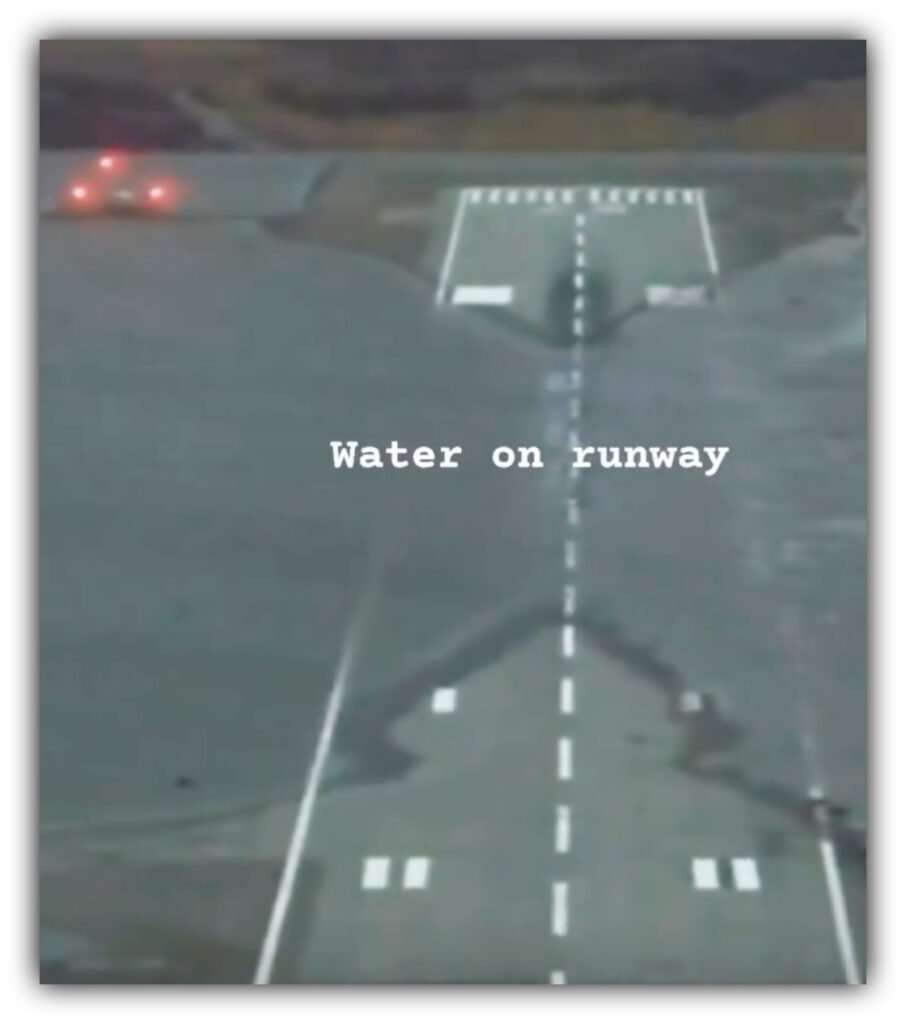
Alaska often experiences global risk sooner and more sharply than other regions because of its geography, climate and strategic location. The state is warming faster than most of the planet, making it an early indicator of climate impacts. Thawing permafrost damages roads, runways and pipelines, while coastal erosion threatens villages and increases the cost of protecting or relocating communities. Extreme weather also disrupts fuel deliveries and supply chains, compounding high living costs, particularly in rural areas.
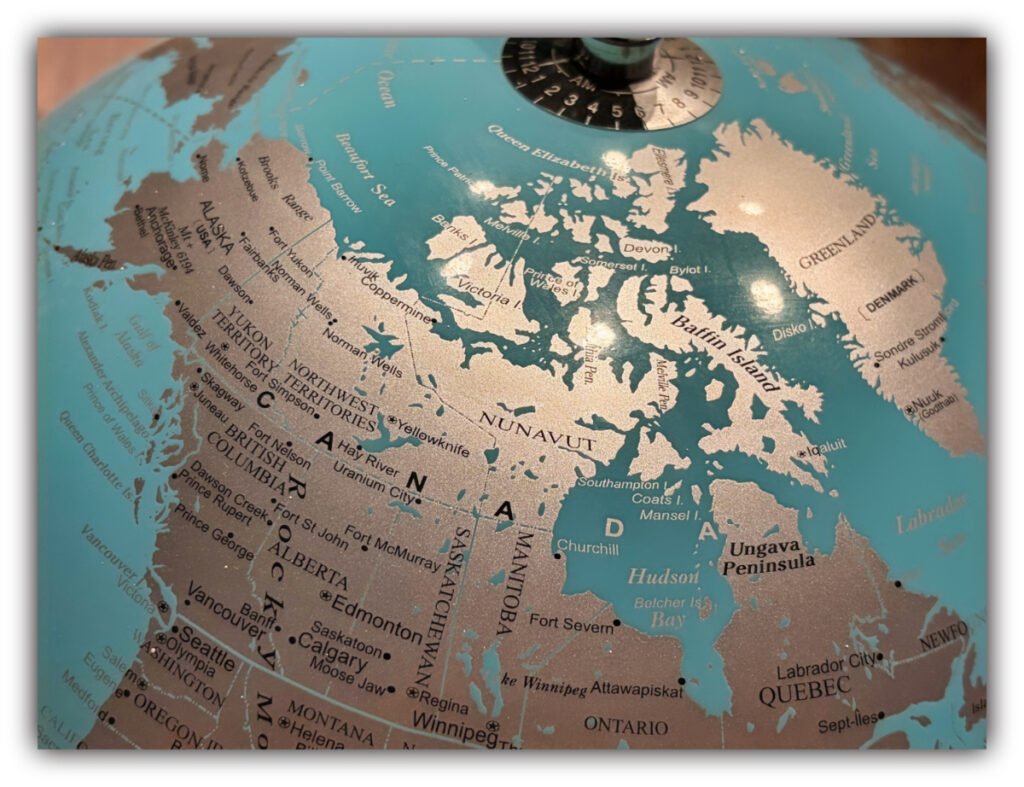
Alaska’s location at the top of the globe also places it at the front line of security concerns. As Arctic sea ice recedes, new shipping routes and access to resources have increased competition among world powers. Scientists warn that rising nuclear tensions and weakened arms control agreements heighten risk in a region where Alaska plays a central role in national defense.
The Doomsday Clock, first created in 1947, is a symbolic measure of how close humanity is to self-inflicted catastrophe. It does not predict specific events but reflects how policy choices, technological development and international cooperation influence shared global risks. The 2026 decision was made by the Bulletin’s Science and Security Board in consultation with its Board of Sponsors, which includes Nobel laureates and was founded in 1948 by Albert Einstein. The board evaluates nuclear weapons policy, climate science, biological threats and emerging technologies each year.
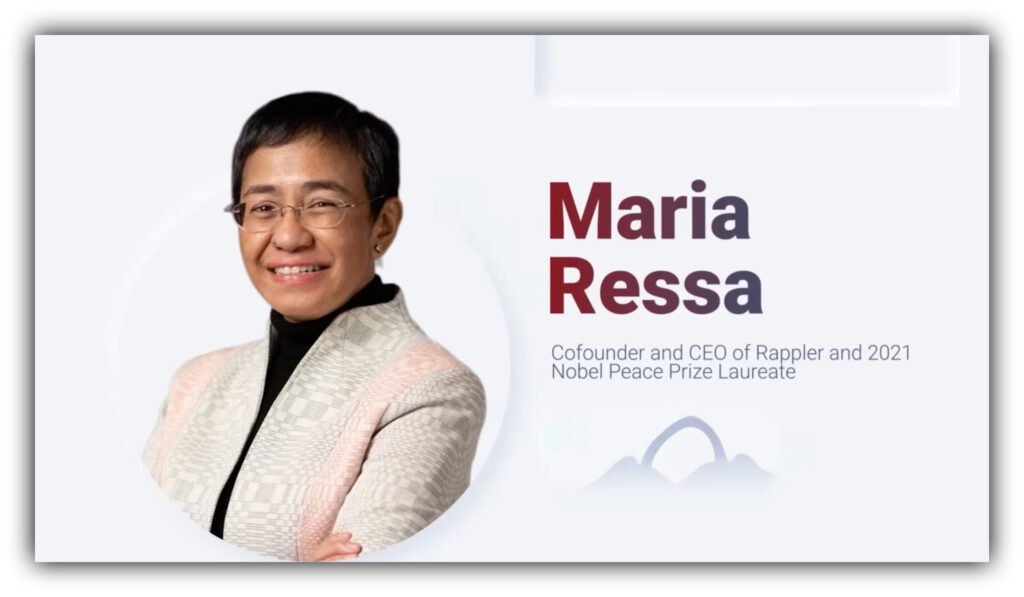
Tuesday’s announcement featured Nobel Peace Prize laureate and journalist Maria Ressa, along with scientists specializing in nuclear risk, climate change, biodefense and disruptive technologies. Speakers emphasized that global instability rarely stays distant, eventually affecting energy prices, food systems and public safety, even in remote regions.
The Bulletin describes the Doomsday Clock as a warning meant to inform the public and encourage action that reduces shared risks. Scientists say it exists to help people understand how human choices can still pull the world back from the brink.
The Bulletin noted that the clock has moved away from midnight before. In 1991, following major nuclear arms reduction agreements, it was set at 17 minutes to midnight, demonstrating that cooperation and policy shifts can reduce global danger.
Reader Q&A: What Does This Mean for My Community?
Is the Doomsday Clock predicting a disaster?
No. Scientists say the clock is a warning, not a countdown. It reflects how close the world is to serious, human-made risks based on current decisions, with the goal of drawing attention early enough to change course.
Why should people in Alaska pay attention?
Alaska often experiences global risk first. The state warms faster than most of the planet, so climate impacts show up earlier. Its Arctic location also places it at the center of growing global competition and security concerns.
How does this affect daily life right now?
Many impacts are already visible. Thawing permafrost damages roads, runways and water systems. Stronger storms and erosion threaten coastal communities. Global instability can drive up fuel, food and shipping costs, especially in rural areas.
Does nuclear risk really matter to Alaska?
Yes. Alaska plays a key role in national defense and sits near major Arctic flight paths and shipping routes. Scientists warn that rising tensions and weakened arms control agreements increase regional risk even without direct conflict.
What about technology risks like artificial intelligence?
Experts say rapidly advancing technologies can affect jobs, privacy, public safety and infrastructure. In Alaska, where services are spread across vast distances, failures or misuse can have outsized consequences.
Is there anything communities can do?
Public awareness matters. Communities that stay informed, plan for climate impacts, invest in resilient infrastructure and engage with leaders are better prepared to reduce risk and adapt to change.
What is the takeaway for Alaskans?
The risks highlighted by the Doomsday Clock are not distant or abstract. They influence costs, safety and stability across the state. Understanding these risks is the first step toward reducing them.
⏰ Call to Action: Turn Back the Clock
Scientists behind the Doomsday Clock stress that its purpose is to warn, not to predict. The clock has moved away from midnight before when public awareness, civic engagement and policy decisions changed course.
Learn more and take action: Visit the Bulletin of the Atomic Scientists’ Doomsday Clock page for the latest scientific statement and resources on how citizens and policymakers can help reduce global risks and turn back the clock.